P1511 Code: Vehicle-Specific Meaning, Causes, and Diagnosis
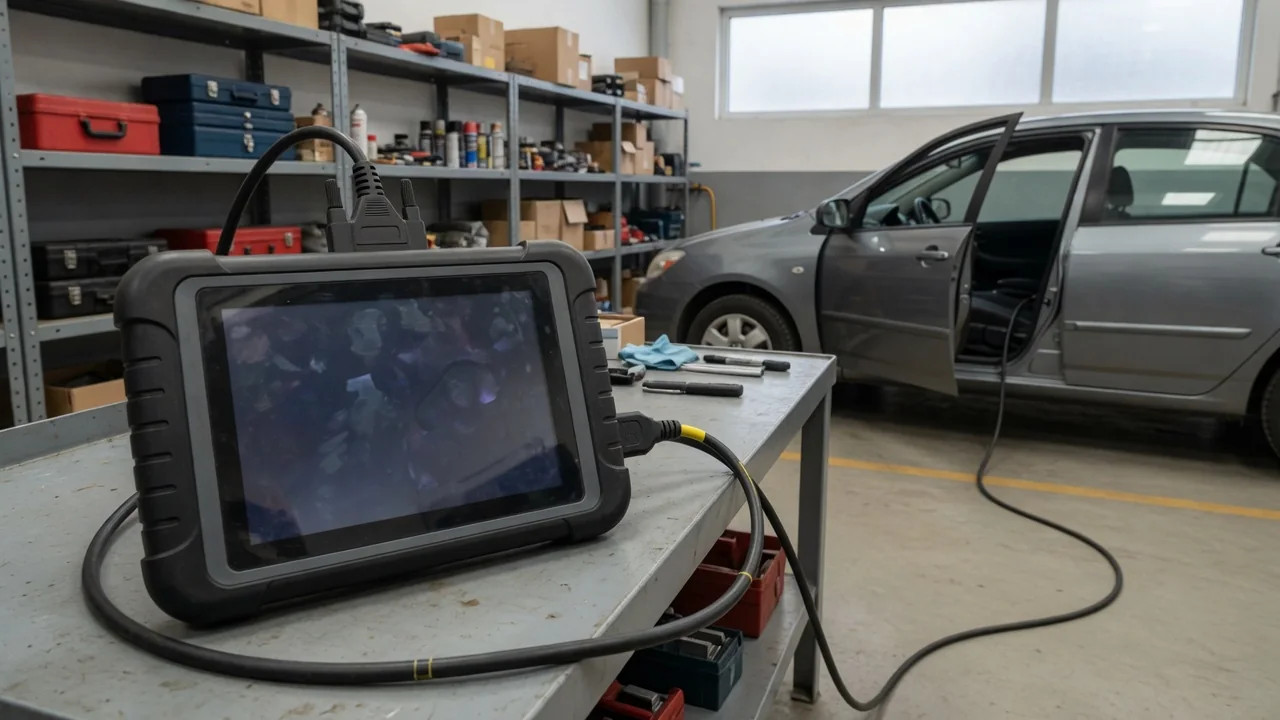
A P1511 code can be confusing because this DTC is manufacturer-specific, meaning it points to different faults depending on the vehicle. Before assuming anything about a failure, you need the exact make, model, year, and engine. Using a diagnostic scan tool to pull the code is only the first step. The stored P1511 evidence must be interpreted with vehicle-specific service information to avoid unnecessary repairs.
Verify What P1511 Means for the Vehicle
The P1511 code is not a one-size-fits-all definition. Different automakers assign this number to unrelated systems, such as intake manifold runner control, throttle actuator control, or even body control functions. Only the vehicle identification details—make, model, year, engine, and sometimes trim or transmission—determine what P1511 actually means. Generic code lists often confuse matters by offering multiple descriptions, so you must confirm which one applies to the vehicle in question before any diagnosis.
Vehicle-specific service information provides the official definition, the exact conditions that set the code, and the diagnostic steps to follow. A generic scan tool may display a description like 'Intake Manifold Runner Control Stuck Open,' but that text is not proof of the fault. Without confirming the definition for the particular vehicle, any guess about a component or repair is premature. The code establishes a starting point for system testing, not a diagnosis by itself.
Document Symptoms and Decide Whether to Stop Driving
When P1511 is stored, note exactly what the driver observes: warning lights that stay on, a message in the cluster, difficulty starting, rough idle, hesitation, or changes in throttle response. These symptoms help describe the problem but do not define P1511. A low idle on one vehicle may relate to a throttle control issue, while on another it could be from a different system altogether. Record what happens, when it happens, and whether it repeats, but hold off on conclusions until the code meaning is confirmed.
If the vehicle stalls without warning, responds unpredictably to the accelerator, or cannot keep a safe speed, stop driving. Pull over in a controlled manner, turn on hazard lights, and arrange towing or roadside assistance. The P1511 code alone cannot tell you if continued operation is safe, so the safest choice is to limit driving until a qualified technician has inspected the vehicle. Ignoring a severe symptom could turn a minor electrical fault into a dangerous loss of control.
Identify Possible Causes From the Confirmed Definition
After confirming the exact P1511 definition for the vehicle, possible causes become specific to that system. For example, if the code relates to a throttle actuator, the diagnostic procedure may require checking electrical connections to the throttle body, wiring continuity, and power supply. If the definition involves an intake manifold runner control, mechanical linkage or vacuum operation may be relevant. The confirmed definition directs which circuits, data parameters, and mechanical components deserve testing, not a generic list of 'common failures.'
Companion trouble codes often appear alongside P1511 and can guide the diagnostic priority. If a communication code or a related sensor code is also stored, that may point to a shared power supply or grounding issue. Operating conditions from freeze-frame data, such as engine temperature and rpm when the fault set, also narrow the conditions that triggered it. However, none of this proves a part has failed; it only suggests where testing should begin. Replacing a component simply because P1511 is present is not a valid diagnosis.
Save Useful Evidence Before Codes Are Cleared
Before anyone clears the P1511 code or disconnects the battery, save all the diagnostic evidence. Use a scan tool to record the exact code description as reported by the module, the module that set it (for example, engine control or transmission control), the code status (current, pending, or history), and every companion code. Write these down or take a photo. Pending codes, in particular, can show an intermittent issue that has not yet fully matured, and they are often lost when codes are cleared.
Freeze-frame data is another valuable snapshot. It captures engine rpm, coolant temperature, vehicle speed, and other parameters at the moment P1511 set. Save or photograph this information before clearing anything. Also note when the issue occurred, whether it repeats under similar conditions, and any recent repairs or battery disconnections. Timing alone does not prove causation, but it gives the technician a history. Keep observations limited to dashboard information and safely visible conditions with the car parked and the engine off.
Understand the Professional Diagnosis and Repair Decision
A professional diagnosis begins with the manufacturer-specific procedure for P1511. The technician uses the confirmed definition to determine which circuits and components to test. This may include measuring voltages at specified pins, checking resistance across connectors, monitoring live scan data for plausible values, and performing controlled functional tests with a diagnostic scan tool. These tests isolate the fault without bypassing safety systems or exposing anyone to unnecessary risk, so detailed probing is best left to someone with the proper service information and equipment.
The repair decision must be based on evidence from testing. For example, if the procedure calls for checking a specific circuit and the measurement is out of range, that failed test supports repairing the wiring or connector. If a component fails a commanded functional test, replacement may be justified. The resulting repair could be as simple as cleaning a corroded terminal or as involved as replacing a control module, but it must follow the diagnostic findings. Without a confirmed failure linked to the P1511 definition, no part should be replaced.
Confirm the Repair and Address a Returning P1511
Clearing the P1511 code from memory is not the same as repairing the fault. After a repair, the technician should perform the relevant post-repair checks, which may include running a specific relearn procedure, verifying that the system operates correctly under the conditions that originally set the code, and rescanning for any returning DTCs. A single code-free scan does not guarantee the problem is gone, especially if the fault was intermittent. The repair is only confirmed when the vehicle completes its normal drive cycle without the code reappearing.
If P1511 comes back later, bring all records back to the technician: the previously saved code descriptions, freeze-frame data, symptom notes, and a history of the repair that was performed. Intermittent faults may require longer observation under varied operating conditions, and the saved information prevents starting from scratch. Repeating the same repair without new evidence is not productive. The returning code is a clue that the original cause was not fully addressed or that a related issue exists, and the diagnostic process must be revisited.