P1509 Code: Meaning, Causes and Fixes
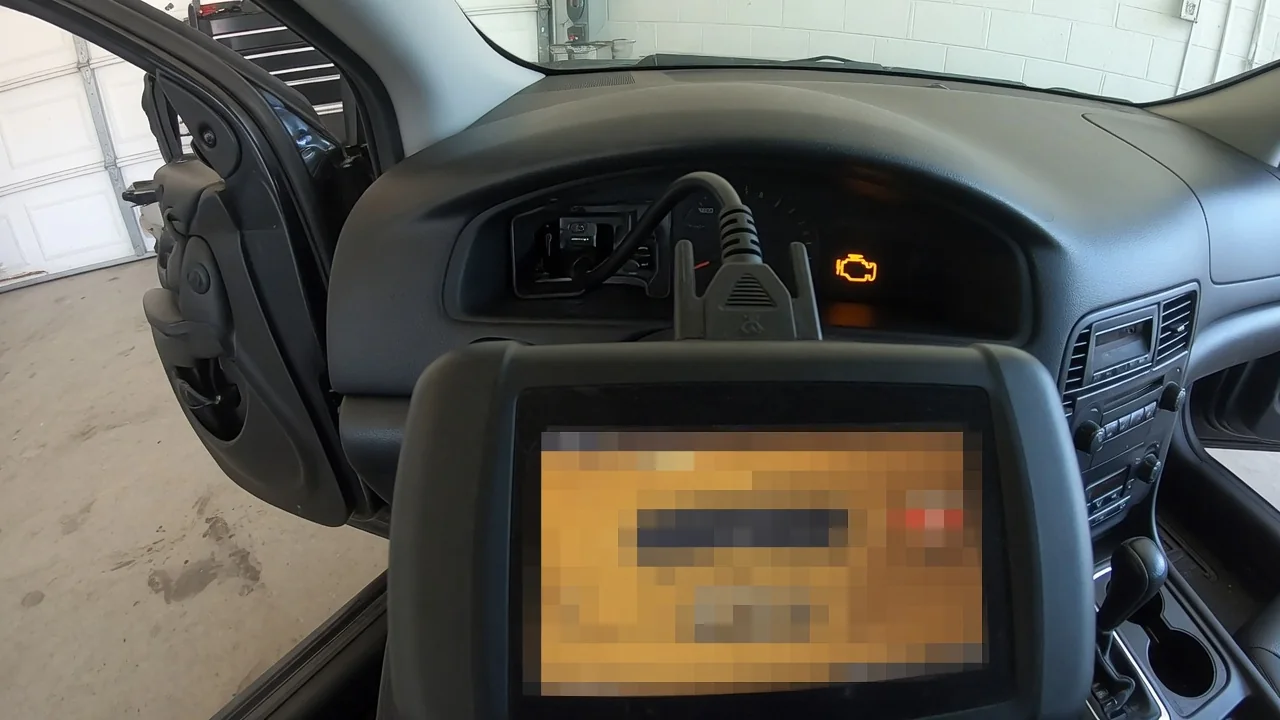
A P1509 code can leave a driver guessing because it is a manufacturer-specific powertrain code, not one of the standardized generic P0 codes shared across all vehicles. Instead of pointing to the same component on every car, its meaning shifts with the automaker, engine, and model year. Whether you are seeing a check engine light, rough idle, or no symptoms at all, you need to confirm your vehicle’s precise definition using a capable OBD-II scan tool and factory service information before making any repair decisions.
What the P1509 Trouble Code Means and Why It Varies by Manufacturer
The '1' in P1509 immediately signals that this is a manufacturer-specific powertrain code. Unlike generic P0 codes that follow a common SAE standard, P1 codes are assigned by each automaker to cover systems not defined in the universal list. That means P1509 could refer to an idle air control issue on one vehicle, a transmission range sensor fault on another, or something entirely different on a third. The only way to know is to look up the exact definition for your make, model, engine, and model year.
Published definitions vary not only between manufacturers but sometimes across model years or engine options. A definition for a 2005 model may not apply to a 2010 model from the same brand. Reliable ways to verify the meaning include using a scan tool with enhanced manufacturer-specific code support, consulting factory service information for your VIN, or contacting a dealer or qualified independent shop. Never rely on a generic internet search that mixes definitions from unrelated vehicles, because it can lead to replacing the wrong part.
Reading the P1509 Code Correctly With a Scan Tool
A basic code reader may only show the number P1509 and a vague or incorrect description. A full-function scan tool displays the manufacturer’s exact code definition and often includes test procedures or data references. Before clearing anything, record the freeze frame data that accompanies the code. This snapshot records engine speed, coolant temperature, load, and vehicle speed at the moment the fault was detected, which can reveal whether the problem occurs only on cold starts, at idle, or under acceleration.
Scan tool code status also matters. A pending code means the condition was detected once but has not yet matured into a confirmed fault. A confirmed code indicates the PCM has seen the problem enough times to set it permanently, while a history code means it is no longer active but remains stored. Intermittent faults often show up as pending or history codes, so noting the status helps determine whether the issue is current. Also write down any other stored codes, because related codes can change the diagnostic direction entirely, and never clear the code before saving all this information.
Symptoms Drivers May Notice With a Stored P1509
Because P1509 is manufacturer-specific, no single symptom list applies to every vehicle with this code. On one model it may affect idle speed, while on another it could relate to the cruise control system or transmission operation. Drivers should focus on what their own vehicle is doing rather than expecting a universal set of problems. The most common observation is an illuminated check engine light, but that alone tells you very little about severity or cause.
Some vehicles with P1509 idle roughly, stall at stoplights, hesitate during acceleration, or even feel completely normal. A stored code with no noticeable symptoms is possible, especially if the fault is intermittent. To help a technician diagnose accurately, write down exactly when you notice any change: during a cold start, after warm-up, in gear at idle, under hard acceleration, or when accessories like the A/C compressor turn on. That detail can narrow the possible circuits and conditions that triggered the code.
Possible Causes Behind P1509 Depending on the Vehicle
Once you have the vehicle-specific definition, you can begin to understand which component or circuit the code monitors. Rather than a universal list of failed parts, think of possible causes as categories: a faulty sensor or actuator in the monitored circuit, damaged wiring or connectors, poor ground connections, vacuum or air leaks affecting the system, or even control module software errors. Each category applies only if it is relevant to the defined code and system.
A P1509 code never proves that one specific part has failed. Many DIY repairs start with buying a sensor or solenoid because it appears in the code description, but that approach often wastes money when the true cause is a cracked hose, corroded connector, or outdated software. Testing is required to locate the actual fault. Without confirming the diagnosis with electrical checks, scan tool live data, and vacuum or pressure tests where appropriate, replacing parts is a guess rather than a repair.
Safe Checks You Can Do Before Visiting a Shop
With the engine off and cool, you can look at the wiring and connectors related to the system identified by your verified code definition. Check for obviously loose or disconnected connectors, chafed insulation where a harness rubs against a bracket, and broken or collapsed vacuum hoses. Do not pull on wires or force connectors apart if they are brittle. A simple visual inspection can sometimes find a damaged wire or hose that explains the fault without any special tools.
You can also call a dealer’s service department with your vehicle identification number to ask whether any technical service bulletins or software updates apply to your P1509 code. Some codes are resolved by reflashing the powertrain control module rather than replacing parts. Before visiting a shop, gather the code number, freeze frame data, a list of symptoms and when they occur, and any recent repairs or battery disconnections. That information saves diagnostic time. Avoid back-probing circuits, removing components, bypassing systems, or working near a running engine without proper training and safety equipment.
When P1509 Needs Professional Diagnosis
Confirming a P1509 fault usually requires manufacturer test procedures, live data review, and electrical testing with a digital multimeter or oscilloscope. A shop that specializes in your brand will have access to the specific pinpoint tests and wiring diagrams needed to trace the circuit without guesswork. They can monitor the suspect sensor’s signal, check reference voltages and grounds, and compare live data to known good values during the same conditions that set the code.
Seek prompt professional help if the vehicle stalls in traffic, the check engine light flashes, or you notice serious drivability problems. A code that returns after being cleared indicates the underlying condition has not been fixed; it is not normal for a P1509 to reappear unless the fault persists. Multiple related codes often point to a shared power, ground, or communication issue. A dealer or experienced independent shop familiar with the vehicle may also have access to software updates that a generic repair facility cannot perform.
How a P1509 Repair Is Confirmed
The fix for P1509 depends entirely on the confirmed cause, so no single repair applies to all vehicles. After the actual fault is found and corrected, a technician normally clears the code, runs the relevant drive cycle or forces the readiness monitors to complete, and then rechecks to make sure the code does not return. Some repairs may require a relearn or adaptation procedure—such as idle speed relearn or throttle body reset—so the powertrain control module can adapt to the new component. These procedures are vehicle-specific and must be performed with the correct scan tool or sequence.
Keeping records of the code, freeze frame data, tests performed, and repairs made is valuable if the issue returns. A detailed history helps the next technician understand what was already checked or replaced, preventing repeated labor charges. If a repair involves a software update, note the calibration number. Even after a successful repair, it may take several drive cycles for all readiness monitors to complete, so the code staying off during that period is a good sign that the repair was effective.