P1508 Code: Meaning, Symptoms, Possible Causes and Repair Approach
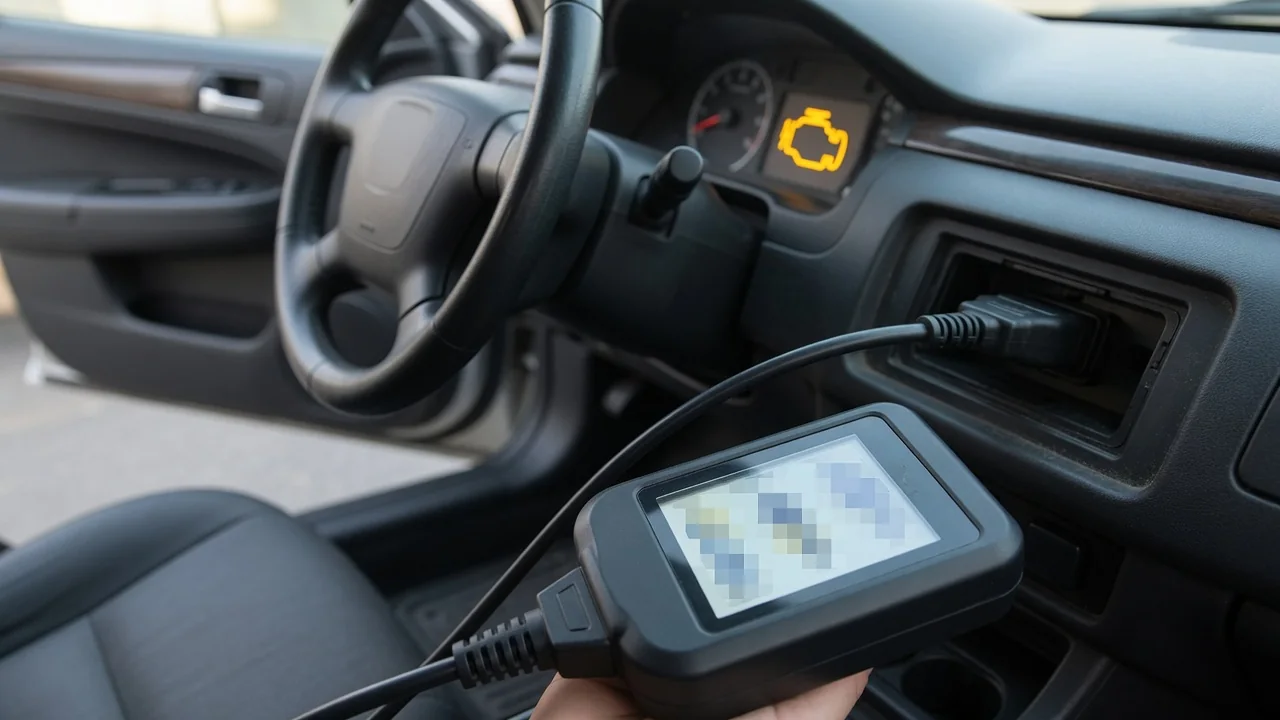
A P1508 code can leave you staring at a check engine light with no clear answer, because this is a manufacturer-specific powertrain code, not a universal OBD-II definition. On many vehicles it points to idle speed or idle air control, but the exact meaning depends on your make, model, year and engine. Jumping to a generic explanation or buying parts without confirming the definition can waste time and money. This guide explains how to interpret the code, recognize possible symptoms and approach the repair safely.
What the P1508 Trouble Code Means and Why the Definition Varies
The 'P' in P1508 indicates a powertrain code, and the '1' marks it as manufacturer-specific rather than a generic OBD-II code. Automakers can use the same number for different systems, so a definition from one brand may be completely wrong for another. While many applications tie P1508 to idle air control or idle speed control, that connection is not universal. Before reacting to the code, you must verify what it means for your exact vehicle.
Using factory service information or a scan tool with enhanced manufacturer data is the only reliable way to confirm the definition. A generic code lookup may show a description that is inaccurate for your car, sending the diagnosis in the wrong direction. For example, one vehicle may set P1508 for an idle speed control actuator problem, while another uses it for a throttle motor issue. Confirming the definition first prevents unnecessary testing and parts replacement.
How to Read a P1508 Code Correctly on Your Vehicle
A basic OBD-II reader often gives only the code number and a generic label, which may be misleading for a manufacturer-specific code like P1508. A professional-grade scanner with enhanced definitions can display the automaker’s exact description and often provides live data for the related system. This difference is critical because the code’s meaning drives every later step. Without the correct definition, you may test the wrong circuit or replace a good component.
Before clearing anything, record the freeze frame data, code status, and any companion codes. Freeze frame captures engine conditions when the fault set, such as temperature, rpm and load, which helps reproduce the problem. Pending, confirmed or history status shows how persistent the fault is. Related codes stored at the same time can point to a shared circuit or system, narrowing the diagnosis. Clearing the code erases all this information and may make the problem harder to find later.
Symptoms That May Appear With P1508
If the verified P1508 definition involves idle control, you may notice rough idle, engine speed that is too high or too low, hunting idle, or stalling when coming to a stop. These symptoms are possible, not guaranteed, and can vary with engine temperature or electrical load. The check engine light might be the only sign, especially for an intermittent fault. Because symptoms can come and go, noting the exact conditions when they appear helps a technician reproduce the issue.
Pay attention to when the idle problem occurs: cold start, warm idle, with the A/C on, or as the car slows to a stop. These details narrow the possible causes, since some faults appear only under specific loads or temperatures. If the engine stalls in traffic or behaves erratically, that is a safety concern. It is wise to limit driving and have the vehicle inspected promptly, because an unstable engine can cause loss of power steering or brakes in certain conditions.
Possible Causes to Check After Confirming the Definition
Possible causes depend entirely on the manufacturer-specific definition you confirmed. Do not use a generic list for another vehicle. For idle-control-related definitions, common contributors include a dirty or sticking throttle body, a clogged idle air passage, a faulty idle air control valve or motor, wiring or connector problems, or vacuum leaks. Less often, an engine control module fault may be involved, but that is usually a last resort after simpler causes are ruled out.
A failed component is only one possibility. Wiring harness damage, loose or corroded connectors, and poor grounds often produce the same code. Testing circuits and live data is necessary to distinguish a mechanical fault from an electrical one. Avoid buying parts based only on the code number without testing, because that can replace a good sensor or actuator while the real problem remains. Proper diagnosis saves time and avoids new faults from unnecessary repairs.
Safe Checks Owners Can Do Before a Shop Visit
With the engine off and cool, you can perform a simple visual inspection. Look for loose, corroded or damaged connectors, wiring with cracked insulation, cracked or disconnected vacuum hoses, and an intake duct that is not fully seated. These checks are safe and require no tools. A disconnected vacuum line or a split intake boot can cause idle problems and set a P1508 code. Finding an obvious issue gives you a starting point for repair.
At idle, listen for hissing sounds that indicate a vacuum leak, and watch for unstable engine speed. However, do not reach into moving parts or disconnect anything while the engine runs. A visual inspection can reveal obvious damage but cannot prove that a circuit is good or that a sensor works. Electrical circuit tests, live data monitoring and component actuation require proper tools and procedures. If nothing is visibly wrong, leave the deeper testing to someone with the right equipment.
Professional Diagnosis and the Repair Approach for P1508
A technician will follow the manufacturer’s diagnostic procedure for the specific P1508 definition. This often includes reviewing live data for idle speed, throttle position and fuel trims, testing circuits for shorts or opens, and performing component tests like commanding the idle air control valve. The goal is to prove which part or wiring fault is responsible before replacing anything. Skipping these tests risks replacing a good part and leaving the real cause untouched.
Common repair categories include cleaning the throttle body and idle air passages, repairing wiring or connectors, replacing a confirmed faulty component, or performing an idle relearn procedure. Some vehicles require an idle relearn after throttle or idle-related work, but the procedure varies by model, so check the factory information for your exact car. Also ask whether any manufacturer service bulletins apply to your vehicle, as these sometimes describe known fixes for repeat P1508 codes.
Clearing the Code, Driving With It and Confirming the Fix
Clearing the P1508 code does not fix the underlying problem. If the fault is still present, the code will return, often as soon as the engine runs or the driving conditions are met. Use a scan tool to clear the code only after repairs, and then confirm the fix by driving under the conditions that originally set the code. If no pending or confirmed codes return after a few drive cycles, the repair is likely successful.
Whether it is safe to keep driving with P1508 depends on symptoms, not the code number alone. If the engine runs normally and the light is steady, you may drive cautiously to a repair shop. But if the car stalls, idles erratically or lacks power, avoid driving. After clearing codes, the vehicle’s readiness monitors must complete before an emissions inspection. Driving a specific mix of city and highway conditions is usually needed for all monitors to run.