P1507 Code: Vehicle-Specific Meaning, Causes and Diagnosis
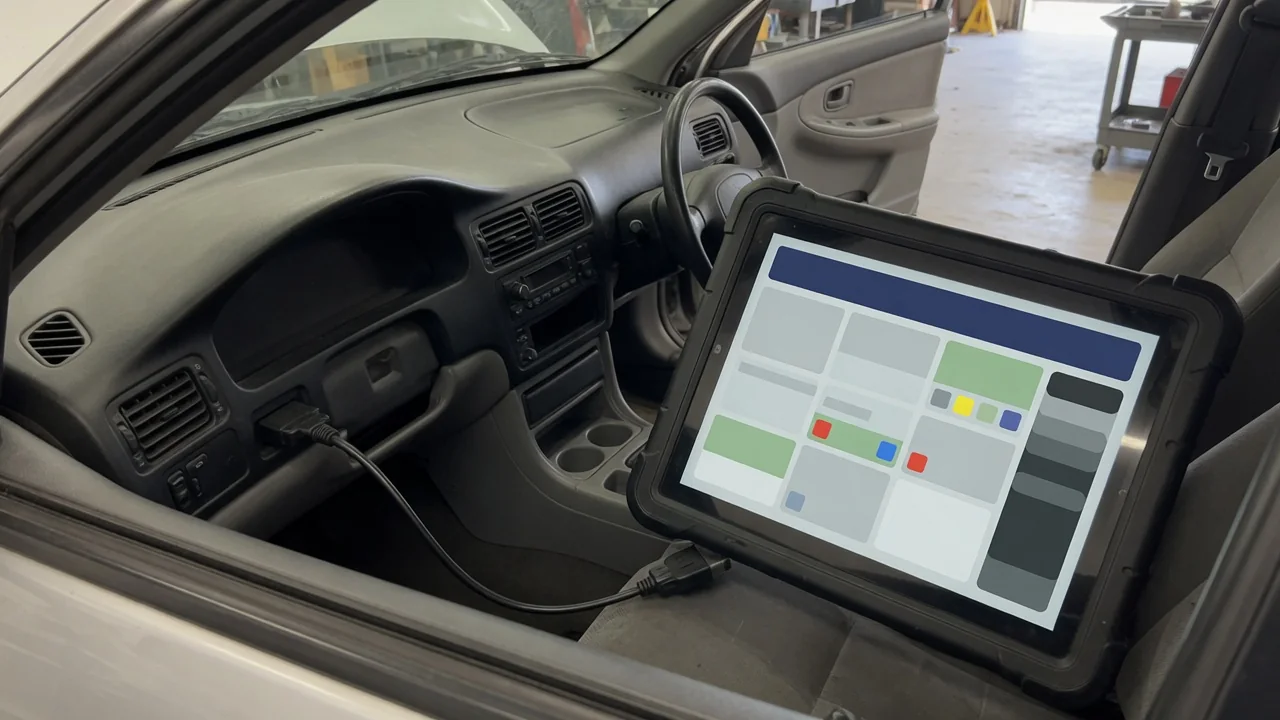
A P1507 code is a manufacturer-specific trouble code, so its meaning depends on the vehicle rather than on a single industry-wide definition. The powertrain control module stores it when a monitored condition falls outside programmed limits for that application. Confirm the exact description for the year, make, model, and engine before assuming a failed part, then use symptoms, freeze-frame data, and diagnostic testing to interpret what the fault represents.
Verify What P1507 Means for Your Vehicle
The P1507 code is not a universal powertrain definition. Different manufacturers assign that number to different monitored conditions, and even similar labels can apply to different hardware depending on the engine and control strategy. Identifying the vehicle's year, make, model, and engine is the first step, because only that combination tells you which system the powertrain control module was evaluating. Until those details are known, the stored code is a pointer to look up, not a diagnosis of a failed idle control part or any other component.
A scan tool's short description can be incomplete or generic, especially with a manufacturer-specific trouble code. That abbreviated text may name a system without stating the actual test the module ran, the enable conditions, or whether the result is pending or confirmed. Vehicle-specific service information is required before interpreting P1507 or identifying the affected circuit. Make-specific meanings belong only with a confirmed application; presenting one definition for every vehicle would mislead diagnosis. If the published description does not match the scanner wording, trust the factory information for that vehicle.
Record Symptoms and Decide Whether to Keep Driving
Once the verified definition is known, compare it with how the vehicle actually behaves. If that definition concerns idle control, a rough idle, abnormal idle speed, stalling, or a hard start can be consistent clues, but those complaints are relevant only when they match the monitored function. The warning light can illuminate when drivability feels normal, because the powertrain control module records a failed test even if the driver does not notice a change. Treat the light and the stored P1507 as related evidence, not proof that the engine is unsafe or that a part has failed.
Note when any idle or starting change appears: at startup, after the engine warms, or when accessories add load. Those timing details help a technician match conditions to freeze-frame data later. Do not try to recreate a stall on purpose. If the vehicle stalls repeatedly, will not stay controllable, or displays an urgent warning, stop in a safe location and arrange assistance rather than continuing to drive. A single brief stumble is not the same as a loss of control, so the decision to keep driving should follow the actual behavior, not the code number alone.
Understand Possible Causes Without Assuming a Failed Part
Candidate causes should follow the verified P1507 definition and the equipment actually fitted, not a generic idle-control parts list. Where the definition concerns idle control, unmetered air from a leak, a restricted idle passage, a control component that is not responding as commanded, or an electrical problem in the related circuit can all disturb idle speed. Those possibilities explain how the monitored condition can fail; they do not rank one part as the usual failure. The same code on a different engine family may point to a different function, so cause lists from unrelated applications are not useful.
Wiring damage, a loose connector, or a supply problem can set a system code without proving that the named idle control device has failed. The powertrain control module reports that a test did not pass; it does not isolate the failed object by itself. Recent maintenance is a diagnostic clue rather than a verdict: a disconnected vacuum hose after intake work, or a connector that was disturbed, may coincide with when symptoms began. Timing still has to be confirmed against freeze-frame data and inspection. Do not treat coincidence as proof of a specific cause.
Preserve Useful Evidence Before Clearing the Code
Before clearing anything, record the exact P1507 description from the scanner, whether it is pending or confirmed, and any accompanying codes. Pending codes show a test that has not yet matured, while a stored or confirmed status means the module completed its fail criteria. Save available freeze-frame data, because it captures engine speed, load, temperature, and related operating conditions at the moment the fault was recorded. That snapshot later helps match driver notes about startup, warm operation, or accessory load. Erasing the record first leaves diagnosis without those conditions.
With the engine off and cool, look for obvious clues such as a disconnected hose or a visibly damaged connector, without dismantling parts or probing live circuits. Those observations are starting points, not a completed diagnosis. Clearing the P1507 code or disconnecting the battery can erase freeze-frame data, pending codes, and adaptive information the technician still needs. A dark warning light after a reset does not establish that a fault is repaired; the monitor simply has not run again. Preserve the evidence first, then decide what diagnostic testing is appropriate.
What Professional Diagnosis Should Establish
Professional diagnosis should follow the confirmed vehicle-specific procedure for P1507 rather than a generic flowchart. A technician reviews related codes, because another stored fault can explain the idle control test or show a shared power or ground problem. Where the vehicle supports it, live data and commanded system behavior are compared with expected responses for that engine, such as whether idle air or throttle control moves when requested. Those readings still require the factory enable conditions. The goal is to see what the powertrain control module observed, not to skip to a replacement.
Targeted electrical checks can separate an open, a short, or a poor connection from a component that is actually out of range, and intake leak testing may apply when the verified definition involves idle air. Those steps belong inside the published diagnostic path for the vehicle. Energized circuit testing, powered actuator tests, and any disassembly should stay with professional diagnosis rather than home trial-and-error on live circuits. Unsafe probing can create new faults or personal injury. Diagnostic testing should confirm a cause on this vehicle, not a guess from the code number.
Choose a Repair and Confirm the Fault Is Resolved
A repair should follow test results, such as restoring a confirmed poor connection, sealing a verified air leak, clearing a restriction, or replacing a component that failed its specified checks. The P1507 code by itself is not justification for replacing an idle-control component or the powertrain control module. A wiring or air-path problem can mimic a failed actuator, so the named part is not automatically the failed object. Choose the correction that matches what diagnostic testing actually proved on this vehicle, then plan any adjustment the service information requires after that work.
After the confirmed repair, check vehicle-specific procedures for any idle adjustment, adaptation, or relearn the powertrain control module needs before it will control speed correctly. Skipping that step can leave the same complaint even when the original fault is gone. Repair verification then depends on stable operation under the conditions that previously set the fault, plus a follow-up scan to see whether P1507 returns as a pending or stored code. Drive only in a safe manner. If the monitor completes without resetting the code, the repair is supported; if P1507 returns, isolation is incomplete.