P1505 Code: Verify Its Meaning, Causes and Repair Steps
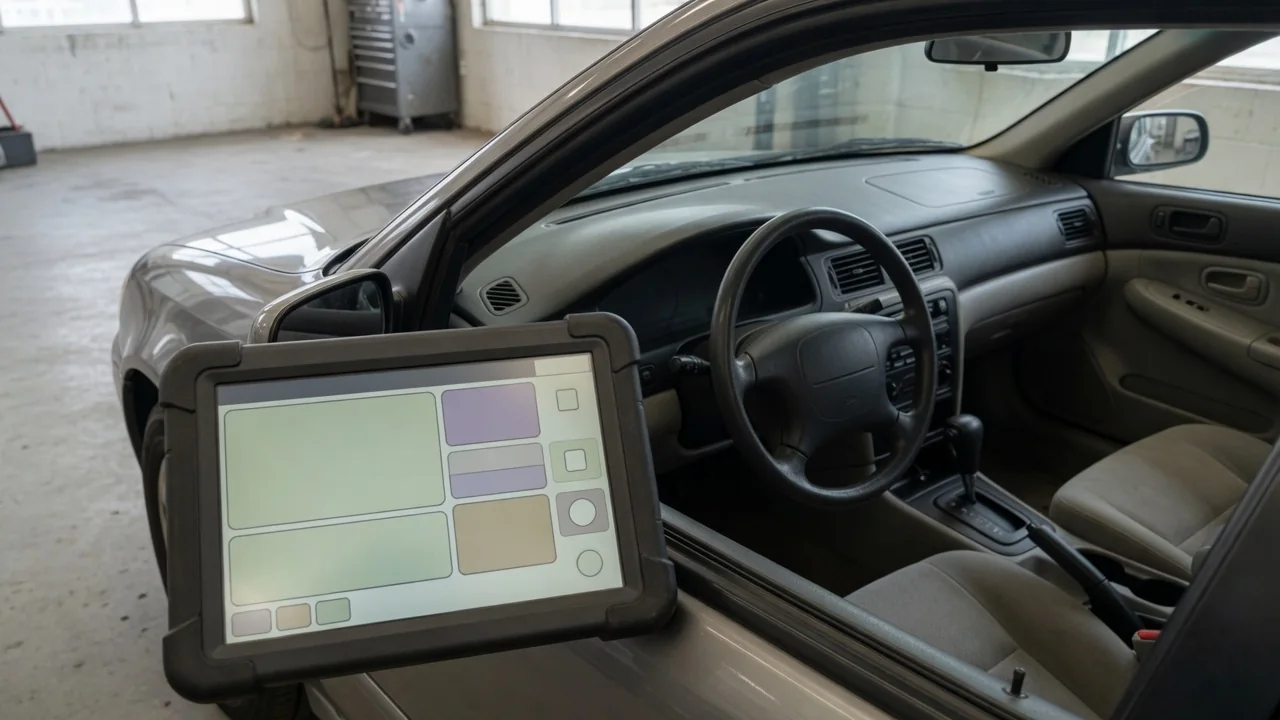
P1505 is a manufacturer-specific trouble code, so the same number can describe different faults depending on the vehicle that stored it. Before treating any scan-tool text as a diagnosis, confirm the make, model, year, engine, and the module that reported the P1505 code. Vehicle-specific service information, not a generic description, defines what the code means and how it was detected.
Verify What P1505 Means for Your Vehicle
P1505 is not a universal powertrain definition. Automakers reuse this number for different monitored conditions, so a listing that looks familiar on one brand can point to an unrelated system on another. Treat it as a manufacturer-specific trouble code until the vehicle identification number, engine, and reporting module are known. A diagnostic scan tool can display a short label, but that label is only a starting hint. It does not establish which circuit, sensor, or control function the factory intended for that year and powertrain.
The confirmed definition comes from the service information written for that vehicle, not from a generic code library. Detection conditions, enable criteria, and the module that sets the code all belong to that documentation. Record the make, model, year, engine, and whether a powertrain control module or another controller reported P1505. Without those details, any interpretation of the P1505 code remains incomplete, and a technician cannot follow the correct factory diagnostic procedure.
Record the P1505 Code and Its Diagnostic Context
Save the first scan as evidence. Capture the exact wording shown for P1505, the module that reported it, and the diagnostic trouble code status, including whether it is pending, stored, or current. Note every accompanying code in the same session, because related faults can change how a technician reads the primary listing. Photograph or print the scan if the tool allows. That record is more useful than memory later, especially if the description on a generic scanner differs from factory wording.
If freeze-frame data is available, save those snapshots as well. They document engine speed, load, temperature, and other conditions at the moment the fault was detected, which can later match or contradict a customer complaint. Freeze-frame data does not prove a cause; it only timestamps the operating state when the monitor failed. Do not clear the P1505 code or any related pending code before this information is recorded. Clearing erases useful evidence and can reset readiness monitors that a later inspection or retest will need.
Symptoms to Document and Signs to Stop Driving
Driving complaints tied to P1505 depend on the verified definition for that vehicle. A stored code can sit in memory with no obvious change in how the vehicle starts, idles, or accelerates. Treat any symptom as something to document, not as a universal signature of this number. Note warning-lamp behavior, hard or delayed starting, idle that hunts or drops, stalling, or a feeling of reduced power only if those conditions actually occur. Absence of a complaint does not make the P1505 code meaningless; it only means the fault may be intermittent or limited to a monitor the driver cannot feel.
The code by itself cannot establish whether continued driving is safe. Safety depends on how the vehicle behaves and on the system that actually set the fault, which is still unknown until the definition is confirmed. Repeated stalling, a severe loss of power in traffic, or a flashing malfunction indicator are reasons to stop in a safe place and arrange assistance rather than keep driving to finish a trip. Mild lamp illumination without those behaviors still deserves prompt diagnosis, but it is not the same emergency. Record when symptoms appear so a technician can compare them with freeze-frame data.
Possible Causes Within the Confirmed Fault System
Possible causes for P1505 belong only to the system named in that vehicle's service information. A parts list copied from another make is not a diagnosis and can send testing in the wrong direction. After the factory diagnostic procedure identifies the monitored circuit or function, wiring, connectors, power supply, a related component, or a mechanical condition in that system become reasonable possibilities. Until then, treat every candidate as unconfirmed. The P1505 code is evidence that a monitor failed its criteria, not a shopping list of replacements.
A description that names a circuit or component still does not prove that named part has failed. Open wiring, a poor connector, an interrupted supply, or a mechanical problem that the sensor is reporting can all produce the same stored result. Recent battery work, control-module programming, or other repairs can provide useful timing context if the code appeared afterward, but sequence alone does not establish causation. Compare that history with freeze-frame data and the diagnostic trouble code status so a technician can decide which tests the factory procedure actually requires.
Safe Observations and Professional Diagnostic Tests
Owner checks should stay observational. Park the vehicle, shut the engine off, and wait until nearby components are cool before looking at anything accessible. Record warning lights, starting behavior, and any driving changes already noted. From a safe distance, you may see a connector that is clearly unplugged or wiring that is visibly crushed, burned, or broken. Do not disconnect connectors, probe circuits, command actuators, or reach toward belts, fans, or other moving parts. Those actions can create new faults, injure you, or erase the conditions that set P1505.
A technician isolates the fault with the applicable factory diagnostic procedure, relevant live data from a diagnostic scan tool, and the electrical or mechanical tests that procedure directs. Those steps interpret P1505 against enable criteria for that powertrain control module or other reporting controller, rather than against a generic guess. Actuator commands, circuit bypasses, and system adjustments require training, the correct equipment, and the vehicle-specific sequence. They are not owner checks. If the definition still has not been confirmed from service information, professional testing should start there before any part is replaced.
Confirm the Repair and Check for a Returning Code
A lasting repair has to correct the fault that testing demonstrated. Replacing a sensor, valve, or module solely because the P1505 code appeared is not a diagnosis and often leaves the original condition in place. After the demonstrated problem is corrected, rescan with the same diagnostic scan tool and complete the vehicle-specific confirmation steps under safe operating conditions. Those steps may include a specified drive cycle so the relevant monitor can run. Follow that procedure rather than assuming the work succeeded because the engine still starts.
A warning lamp that goes out after a clear is not proof the repair worked, especially if the monitor that sets P1505 has not completed. A pending code can return on the next similar operating condition even when the lamp is still dark. Keep the original scan, freeze-frame data, and repair findings so a technician can compare them if the P1505 code comes back. Recurrence with the same diagnostic trouble code status and similar freeze-frame values often points to an incomplete repair or an intermittent circuit condition that the first round of tests did not catch.