P1498 Code: What It Means on Your Vehicle and How to Diagnose It
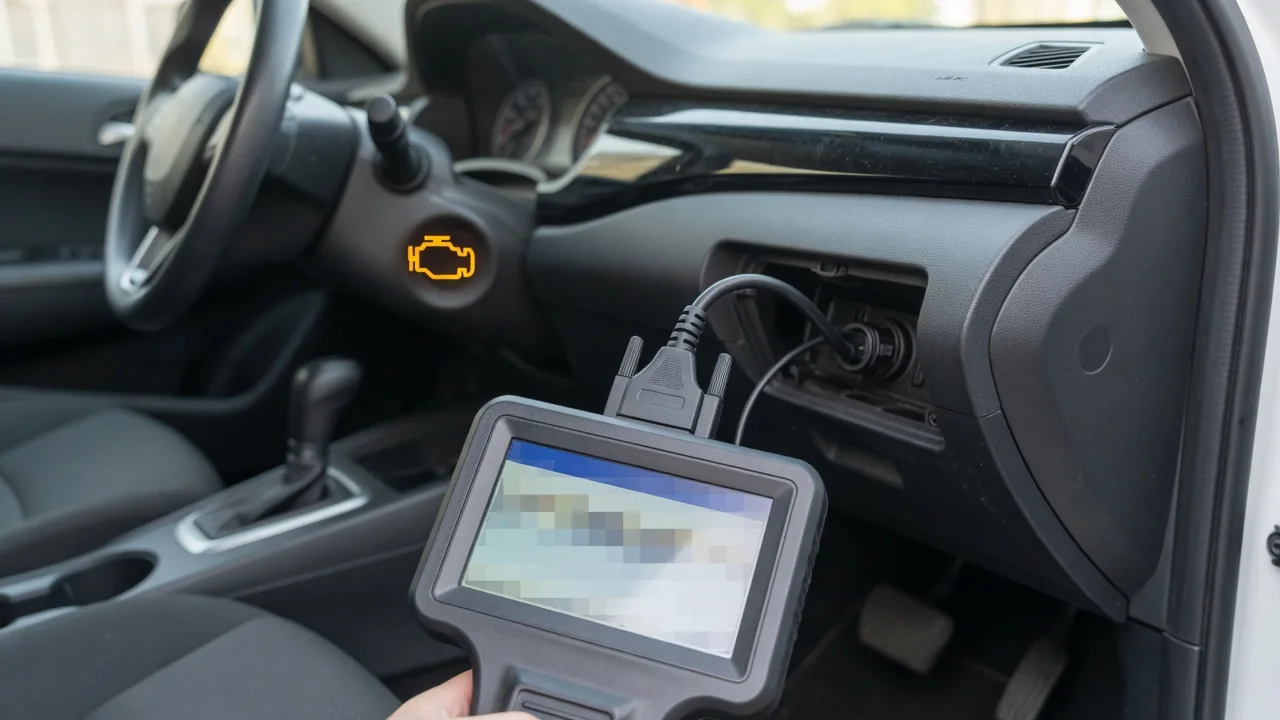
Seeing a P1498 code on your scan tool can be puzzling because this identifier is not a single, universal fault. Instead, the P1 prefix signals a manufacturer-specific powertrain code, meaning the exact definition can change between makes, models, and even model years. Without confirming the correct meaning for your vehicle, any interpretation or parts purchase is a guess that may lead you away from the real problem.
What the P1498 Code Is and Why Its Meaning Depends on the Manufacturer
The P1498 code is a manufacturer-specific diagnostic trouble code (DTC). Unlike generic P0 codes, which follow a standard set, P1 codes are assigned by each automaker for its own vehicles. The same P1498 identifier can describe a completely different component or circuit on a Ford, a Nissan, or a Jeep. Two vehicles from the same brand but different years or engines may also use P1498 for distinct failures.
Because the definition is not universal, you must not rely on a generic code list or an internet forum post that may quote a definition from another make. The only reliable sources are factory service information for your exact VIN or model, a dealership service department, or a professional scan tool that includes enhanced manufacturer-specific definitions. Even a dealer will need the full vehicle details to look up the correct meaning.
Reading P1498 Correctly: Freeze Frame, Code Status and Companion Codes
Before doing anything else, record the freeze frame data captured when the code set. This snapshot typically includes engine temperature, rpm, vehicle speed, engine load, and fuel trims. These values show the operating conditions present at the moment the fault occurred, which is crucial for a technician trying to reproduce the problem. Clearing the code erases this stored evidence, making diagnosis harder.
Check whether the P1498 is stored as a pending, confirmed, or history code. A pending code means the fault was detected once but the self-test has not yet repeated it. A confirmed code indicates the condition has been seen on multiple occasions. A history code suggests it happened before but is not currently active. Also look for companion codes—often a generic P0 code for a related sensor circuit or system gives clearer direction than P1498 alone. Note the exact driving conditions when the check engine light first appeared.
Symptoms Drivers May Notice With P1498 Stored
There is no fixed list of symptoms that always accompanies P1498 because the code points to different systems depending on the manufacturer. The car may run normally, or it may show general signs of an engine management or emissions fault. Drivers have reported rough idling, hesitation during acceleration, reduced power, or an illuminated check engine light in various cases, but none of these is guaranteed.
Some vehicles show no drivability change at all. A lack of symptoms does not mean the fault is harmless or that the light can be ignored. If the code relates to an emissions component, the vehicle may still be polluting or could fail an inspection. More serious warning signs, such as a flashing check engine light, a strong fuel smell, overheating, or a sudden loss of power, require stopping the vehicle and seeking help immediately.
Possible Cause Categories to Check After Confirming the Definition
Once you have confirmed the exact definition of P1498 for your vehicle, you can begin looking at the systems involved. Think of possible causes in broad categories rather than a ranked list. Electrical categories include damaged wiring, corroded or loose connectors, an open circuit, a short to ground or power, and a failed sensor or actuator associated with the defined component.
Mechanical or flow-related categories may apply if the vehicle-specific definition points to a solenoid, valve, or passage. Look for blocked passages, a stuck component, or a vacuum leak. In some cases, a software calibration or a powertrain control module fault can set the code. These electronic control issues cannot be confirmed by visual inspection; only a dealer or a shop with the proper equipment can run the necessary tests.
Safe Checks an Owner Can Do Before Visiting a Shop
With the engine off and cool, you can perform a careful visual inspection of the area described by the confirmed definition. Look for obviously damaged, chafed, disconnected, or oil-soaked wiring and connectors. Check hoses for cracks, collapse, or signs of vacuum leaks near the relevant component. Write down or photograph anything suspicious, but do not attempt to repair or unplug electrical parts yourself.
Resist the urge to clear the code just to turn off the light. Clearing it erases freeze frame data and pending code status, and it may reset readiness monitors, causing the vehicle to fail an emissions inspection. Most importantly, a visual check cannot prove that a sensor, actuator, or module has failed. Do not replace parts based on a guess; use your observations to give the technician a head start.
When P1498 Needs Professional Testing
Professional diagnosis of P1498 requires tools beyond a basic code reader. A shop should use the manufacturer's test procedures, which may include checking resistance and voltage in the circuit, actuating a component, or reading live data while the engine runs. Ask the technician to explain the verified definition for your exact vehicle, which tests were performed, and what result pointed to the recommended repair.
If the same P1498 code returns after a repair, it is likely that the root cause was not fully addressed. A repeated code is a signal for further diagnosis, not just another part replacement. In addition, check whether your vehicle is still covered by any emissions or powertrain warranty. Many manufacturers provide extended coverage for emissions-related components, and a dealer can tell you if your vehicle qualifies.
After the Repair: Confirming P1498 Is Resolved
After a repair, the code should be cleared only as the final step, not before diagnosis. Then the vehicle needs to be driven through a complete drive cycle so the powertrain control module can run its self-tests. After several drive cycles, rescan for pending codes and check that all readiness monitors have completed. A monitor that is not ready indicates that the test has not yet passed.
Keeping a record of the original code, freeze frame data, and the repair performed is valuable if the fault returns. A light that stays off for a short time is not proof that the problem is solved. Only a completed monitor run with no pending or confirmed codes and a readiness check showing all applicable monitors complete gives confidence that the P1498 is truly resolved.