P1495 Code: Verify Its Meaning, Causes and Repair Steps
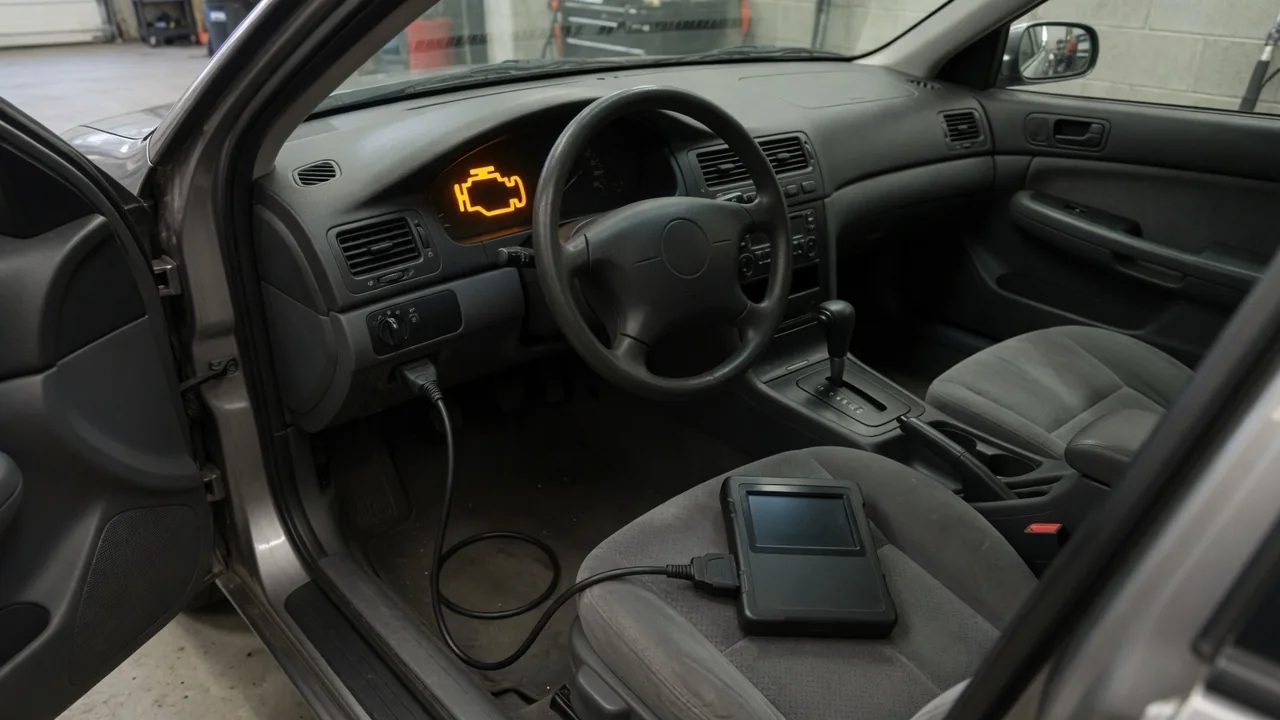
P1495 is a manufacturer-specific trouble code, so its meaning depends on the vehicle rather than on a single industry-wide definition. Confirm the description with vehicle-specific service information for the make, model, year, and engine before treating any scanner wording as complete. The code flags a monitored condition. It does not, by itself, prove which part failed or which repair is required.
Verify What P1495 Means for Your Vehicle
P1495 belongs to the manufacturer-specific powertrain family, which means two vehicles can store the same number for different monitored faults. Use the make, model, year, engine, and applicable vehicle-specific service information to confirm the definition before any interpretation. A generic scan tool may display a truncated or conflicting description; that wording is a starting point, not a diagnosis. Until the official definition is verified, do not assume the code points to one system or one component.
On certain Chrysler applications, P1495 has been used for a leak detection pump solenoid circuit condition in the evaporative emissions system. That reading applies only after service information shows it matches the vehicle in front of you. If the scanner description is incomplete or conflicts with the factory wording, resolve the mismatch with the correct diagnostic information first. Even a confirmed definition identifies a monitored fault condition; it does not establish that a pump, solenoid, wiring harness, or control module has failed.
Symptoms and Whether to Keep Driving
An illuminated check engine light is a possible finding when P1495 is stored, yet some applicable emissions faults produce no change in idle, acceleration, or fuel use that a driver would notice. Record what you actually observe: warning-light behavior, drivability changes, odors, or nothing unusual. Effects that sound related to evaporative emissions or a leak detection pump cannot be inferred until the vehicle-specific code definition is confirmed. Treating an unverified description as a symptom list can send inspection in the wrong direction.
A steady warning light by itself cannot establish whether the vehicle is safe to drive; that judgment depends on symptoms and the owner's manual, not on the code number. Have the condition assessed promptly so freeze-frame data and related codes are still available. Stop safely and seek assistance for a flashing check engine light, severe rough running, stalling, visible fuel leakage, or a strong fuel odor. Those findings take priority over any attempt to interpret P1495 from a scan-tool screen.
Possible Causes After the Definition Is Confirmed
Possible causes should be organized around the verified fault description and the circuit or system being monitored, not around a generic parts list for P1495. When service information confirms a leak detection pump solenoid circuit definition, connector damage, wiring faults, power or ground problems, and an internal component fault are all plausible. None of those should be treated as the most frequent cause. Diagnostic circuit testing is what ranks them; the stored code only shows that a monitored condition was detected.
A circuit-oriented definition does not establish that a vapor leak exists or where vapor would be escaping. Replacing a fuel cap may restore other evaporative emissions system codes, but it does not address a solenoid circuit condition if that is the confirmed meaning. A control-module fault remains possible, yet it requires supporting test results such as failed commanded-operation checks or verified power and ground with an intact circuit. Drawing that conclusion from P1495 alone skips the evidence a technician needs.
Safe Checks and Information to Record
Before clearing anything, record all stored and pending codes, available freeze-frame data, warning-light behavior, and the conditions when the problem appeared, including temperature, speed, and whether the engine was warm. Note recent repairs, battery work, or other events that may help a technician understand the fault's timing, without assuming those events caused P1495. Freeze-frame snapshots capture operating conditions at the moment the monitor flagged the fault and can be lost if the memory is erased too soon.
With the vehicle parked and the engine off and cool, limit observations to readily visible damage, loose accessible connectors, or unusual odors. Do not dismantle components, probe terminals, or energize a leak detection pump or its solenoid. Clearing codes or disconnecting the battery does not repair the cause. It may erase freeze-frame data, hide pending codes, and reset readiness monitors that emissions testing and later diagnosis depend on. Preserve that information and leave circuit work to a qualified technician.
Professional Testing That Supports a Repair
A technician follows the applicable diagnostic procedure for the confirmed definition, reviews related codes, and uses wiring diagrams to identify the circuit's expected operation, including when the control module commands the device. Related evaporative emissions system codes can change the path, so they are checked rather than ignored. For a confirmed circuit fault, professional power, ground, wiring-integrity, and commanded-operation checks determine whether the problem is supply, continuity, or the component itself. Those tests belong in a shop setting with the correct equipment.
Leak testing of the evaporative emissions system is reserved for cases supported by the verified definition, related faults, or diagnostic findings. It is not automatically the next step for every P1495 report, especially when the confirmed wording is a solenoid circuit condition rather than a detected vapor leak. A basic code reader may display P1495 and little else. Suitable scan-tool functions, bidirectional controls, and electrical testing equipment are needed when the procedure calls for diagnostic circuit testing rather than code reading alone.
Repair the Confirmed Fault and Verify the Result
Repairs should follow test findings, such as correcting a damaged connection or wiring fault, restoring a verified supply problem, or replacing a component proven faulty. Vehicle-specific part identification and applicable installation procedures matter because the P1495 number does not establish interchangeability across makes or years. A leak detection pump or solenoid that fits one application may be wrong for another even when the code matches. Installation steps and sealing requirements come from service information for that vehicle, not from the code.
After the confirmed fault is corrected, verification looks at code status, system operation, and applicable monitor completion rather than a universal drive cycle. The enabling conditions for evaporative emissions monitors vary, so the technician uses the procedure that applies to that vehicle. Estimate factors include diagnostic time, access to the circuit or component, the extent of wiring damage, and required parts. Precise prices and a promised repair cannot be inferred from P1495; the definition and test results set the actual work.