P1494 Code: Vehicle-Specific Meaning, Diagnosis and Repairs
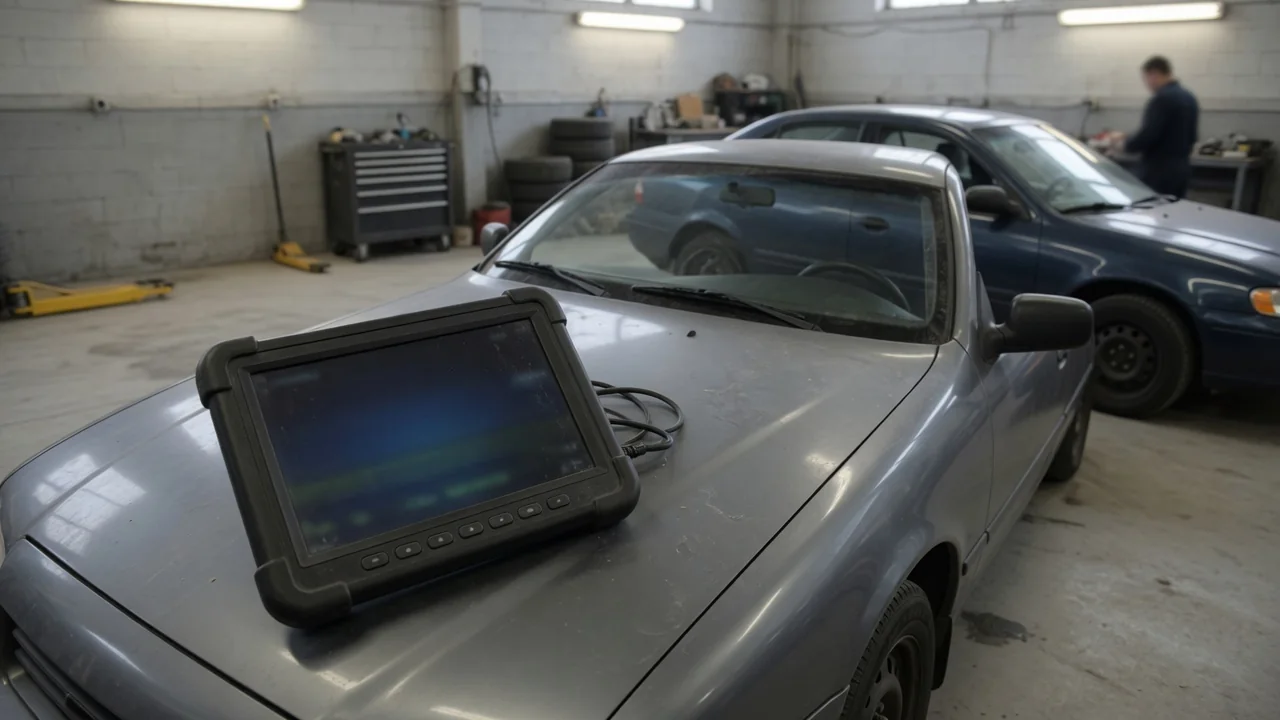
The P1494 code is a manufacturer-specific diagnostic trouble code, so its meaning is not the same on every vehicle. Before any diagnosis or repair, confirm the make, model, model year, and engine, then read the exact definition in the applicable service information. A scan tool’s generic wording is only a starting point. P1494 identifies a detected condition; it does not, by itself, prove which part has failed.
Verify What P1494 Means for Your Vehicle
P1494 is a vehicle-specific code definition, not a universal powertrain description. The same numeric identifier can refer to different monitored systems depending on the manufacturer, so interpretation must wait until the make, model, model year, and engine are known. Applicable service information is the source that establishes meaning. A handheld scanner may display a brief phrase, yet that generic description is not enough to decide what the control module actually flagged.
On some Chrysler-family applications, P1494 is associated with a leak detection pump switch or a mechanical fault in that pump, which is part of evaporative-emissions monitoring. Other makes and years require their own verified definitions, which may not involve the EVAP system at all. Even when the leak detection pump wording appears, the diagnostic trouble code only reports that a specified condition was detected. It does not establish that a particular component must be replaced.
Symptoms and What They Can Tell You
When the verified definition concerns an emissions-monitoring system, a check engine light may be the only obvious sign. The vehicle can still start, idle, and drive with no change in feel because a leak detection pump or similar EVAP monitor often runs in the background. That does not make the P1494 code unimportant; it means drivability is a poor guide to whether the stored condition is present. Confirm the vehicle-specific meaning before treating the light as a performance complaint.
Rough running, stalling, or hard starting should be assessed with every stored and pending diagnostic trouble code, not automatically attributed to P1494. Another fault can share the same ignition cycle and explain the driving problem more directly. Fuel odor, visible leakage, a flashing check engine light, or severe running problems are reasons to stop driving safely and seek assistance. Those signs point to a condition that needs immediate professional attention rather than continued operation while waiting for a scan.
Possible Causes After the Definition Is Confirmed
After an applicable leak detection pump definition is confirmed, diagnostic leads include the pump itself, switch-feedback behavior, electrical connections, related hoses, and vacuum supply to the EVAP system. Circuit testing may show an open, short, or poor connection that never required a new pump. A hose that is cracked, disconnected, or restricted can also prevent the monitor from seeing the expected mechanical or switch response. Those items are starting points for inspection, not a parts list derived from the code description.
If the vehicle’s verified P1494 definition concerns a different system, that cause list no longer applies and the technician must follow the documented path for that monitor. A circuit or feedback fault is not the same as a confirmed vapor leak, and neither a loose fuel cap nor a failed pump should be assumed from the P1494 code alone. Ranking likely failures by how often they occur is not supportable without vehicle-specific evidence, so parts should not be recommended from the description by itself.
Safe Information to Gather Before Service
Before anything is cleared, record all stored and pending codes, any freeze-frame data the scan tool provides, and the circumstances when the warning appeared. Freeze-frame data captures operating conditions at the moment the control module set the fault and later helps a technician reproduce that window. Note recent service, refueling, whether the check engine light comes and goes, and any change in how the vehicle runs. Clearing P1494 too early can erase that context and force the monitor to set again before testing can begin.
Owner observations should stay in safely accessible areas with the vehicle parked and the engine off. Visible damage, a disconnected hose that can be seen without pulling components, or a fuel smell around the filler area can be reported, but hoses and connectors should not be disconnected for a closer look. Those notes help guide later circuit testing and inspection; they cannot confirm internal pump operation, switch-feedback integrity, or an electrical fault inside a sealed assembly.
Professional Tests That Establish the Fault
A technician should follow the diagnostic procedure written for the verified vehicle-specific P1494 definition rather than a generic EVAP flowchart. Scan-tool commands can command the leak detection pump or related outputs where the service information allows that, while feedback readings show whether the switch or sensor responds as specified. Circuit testing then isolates wiring, power, ground, and signal paths from the component itself. Together those steps establish whether the monitored system behaves as the control module expects.
Where the confirmed definition involves evaporative monitoring, approved EVAP leak testing and vacuum-supply checks determine whether the system can hold and move vapor as designed, without substituting unapproved pressure methods or bypassing components. Intermittent faults may not appear in the bay if the recorded freeze-frame conditions are not reproduced, so a reliable repair decision may wait until temperature, load, or after-shutdown operation matches what the module saw. Skipping that step can lead to replacing a part that was not the source of the stored condition.
Repair the Confirmed Cause and Verify the Result
Repairs should follow what testing established, such as correcting damaged wiring, restoring an applicable hose path, or replacing a component whose failure has been confirmed. Clearing the P1494 code or disconnecting the battery does not repair the underlying condition and can remove freeze-frame data and related diagnostic trouble codes that still matter. After the confirmed cause is addressed, the technician should check whether P1494 returns and whether the affected monitor completes under the vehicle’s specified enabling conditions rather than assuming a dark check engine light is enough.
Labor and parts needs depend on the verified fault and on how much access the repair requires, which varies by vehicle layout. An itemized diagnosis and estimate is the practical way to see what testing found and what work is proposed, without treating a published price as current or universal. Repair verification is complete only when the stored condition does not return and the relevant monitor runs to completion. That sequence keeps the manufacturer-specific trouble code from being treated as a parts-swapping instruction.