P1492 Code: Verify Its Meaning, Causes, and Repair Path
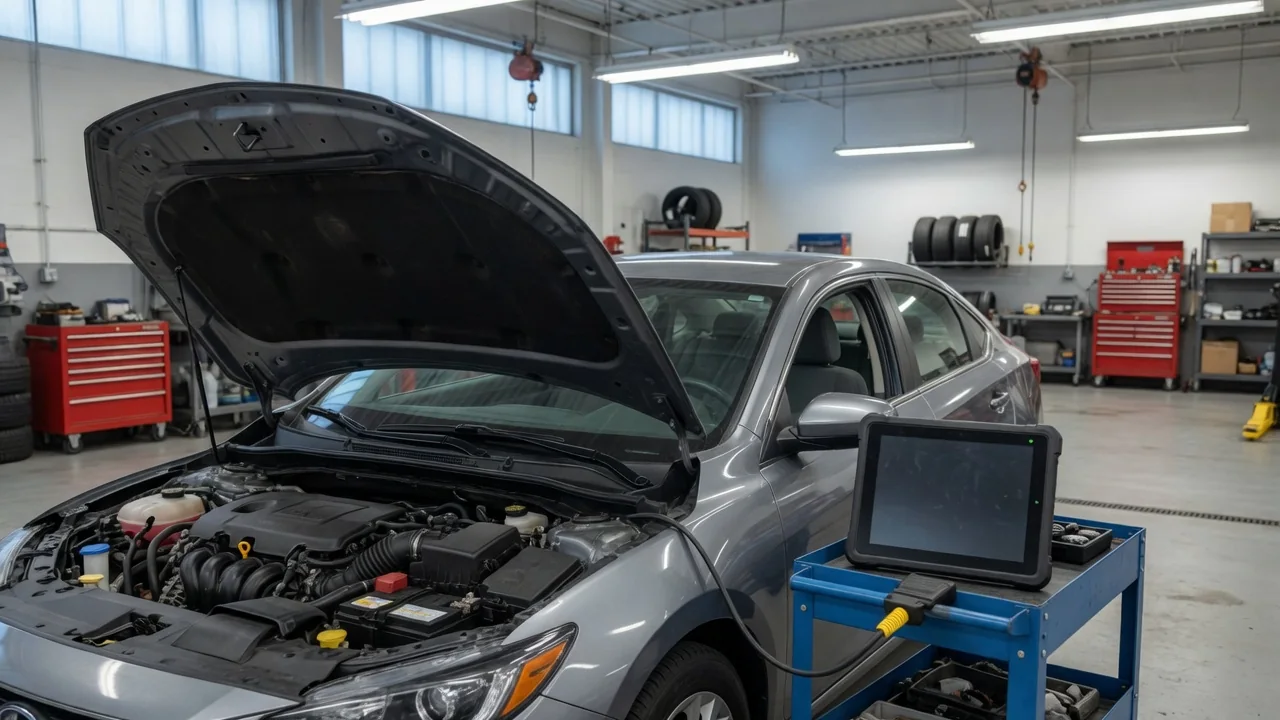
A P1492 code can be alarming, but because it is a manufacturer-specific trouble code, its exact meaning depends on your vehicle. Generic scanner text often gives only a vague hint, so jumping to conclusions risks unnecessary parts. Understanding the code’s definition for your make, model, year, and engine is the first step toward a safe and effective repair. This article explains how to verify P1492, recognize symptoms, identify likely causes, and diagnose the fault correctly before replacing anything.
Verify What P1492 Means for Your Vehicle
P1492 is not a universal OBD-II code, so it does not carry one fixed definition across all vehicles. One make may use it for a radiator fan control circuit issue, while another applies it to a fuel tank pressure sensor or an auxiliary emissions component. The code’s meaning is tied to the manufacturer’s programming, and only the vehicle’s own service information can state what P1492 refers to for that specific powertrain. Even the same manufacturer can use the code differently across model years or engine choices.
Before interpreting a P1492 code, record the full vehicle identification details: make, model, model year, engine size, transmission type, and any relevant option codes. These details lead to the correct diagnostic trouble code definition and setting conditions. Vehicle-specific service information also lists the exact electrical circuit, monitoring strategy, and enable criteria. A generic code reader may display a one-line description that omits this detail, creating a false impression that the fault is understood when it is not.
Symptoms and When to Stop Driving
A check engine or malfunction indicator lamp is often the only outward sign of a stored P1492 code. Whether other symptoms appear depends entirely on the verified meaning. For example, a cooling fan circuit code may first appear with no change in driving, while a fuel system pressure code could bring poor idle or hesitation. The driver’s first job is to note when the light appeared, whether it is steady or flashing, and whether any other warning messages accompany it.
Record starting behavior, engine temperature, rough running, reduced power, unusual smells, or visible smoke. A code alone does not prove a component has failed, but real observations can support later diagnosis. If the engine overheats, stalls in traffic, emits smoke, or loses power severely, stop the vehicle safely and seek assistance. Driving under those conditions can create secondary damage, regardless of whether P1492 is the root cause.
Possible Causes After the Definition Is Confirmed
Once the exact definition of P1492 is confirmed, possible causes can be matched to that specific circuit or system. If the code refers to a sensor signal range, a failed sensor, a break in its wiring, corrosion in a connector, or lost supply or ground could all produce the fault. If it involves an output device like a solenoid or fan relay, a wiring short, open circuit, or mechanical binding may be responsible. The setting conditions often reveal the logic the controller uses to flag the code.
A scanner description that names a component does not prove that part is bad. The fault could lie in the wiring leading to it, the connector pins, or the module that reads or drives it. Recent repairs, battery replacement, or body work can disturb a harness or ground point, creating a new circuit fault. Such work should be considered as context during diagnosis, not treated as the confirmed cause, because many unrelated conditions can store a P1492 under the right circumstances.
Safe Checks and Professional Diagnostic Testing
Before any parts are disturbed, record all stored and pending codes, available freeze-frame data, and a full symptom report. Freeze-frame records the engine speed, coolant temperature, fuel trim, and other conditions at the moment the fault was detected. This information helps a technician see whether the fault occurred during warm-up, under load, or after a certain drive cycle. Related codes may point to a shared power supply, ground, or communication circuit, narrowing the diagnostic path.
An owner can perform limited visual checks with the vehicle parked, switched off, and cool. Look for loose or damaged connectors, obviously chafed wiring, or signs of corrosion near accessible components, but avoid unplugging anything or probing wires. Electrical measurements, active component tests, and work near hot, moving, or high-voltage areas belong with a qualified technician. Using the vehicle-specific service procedure prevents damage to sensitive electronics and ensures the diagnostic results are valid.
Repair the Confirmed Fault and Verify the Result
The correct repair follows the diagnostic test results, not the code title. If a connector pin shows high resistance, repairing the terminal may fix the fault. If a wire is shorted to ground, repairing the harness may be the proper action. Only when testing isolates a sensor, actuator, or module as faulty does replacing that component make sense. Installing a new sensor or solenoid solely because its name appears in the scanner description often leaves the original circuit problem in place.
Clearing P1492 with a scan tool or disconnecting the battery only erases the stored fault and freeze-frame data. It does not repair anything, and if the condition remains, the code will return after the monitoring strategy runs again. After any repair, follow vehicle-specific guidance to clear the code, perform the required drive cycle or active test, and rescan. Confirmation means the fault no longer returns under the applicable conditions, not simply that the light is off.