P1490 Code: Meaning by Manufacturer, Symptoms and Diagnosis
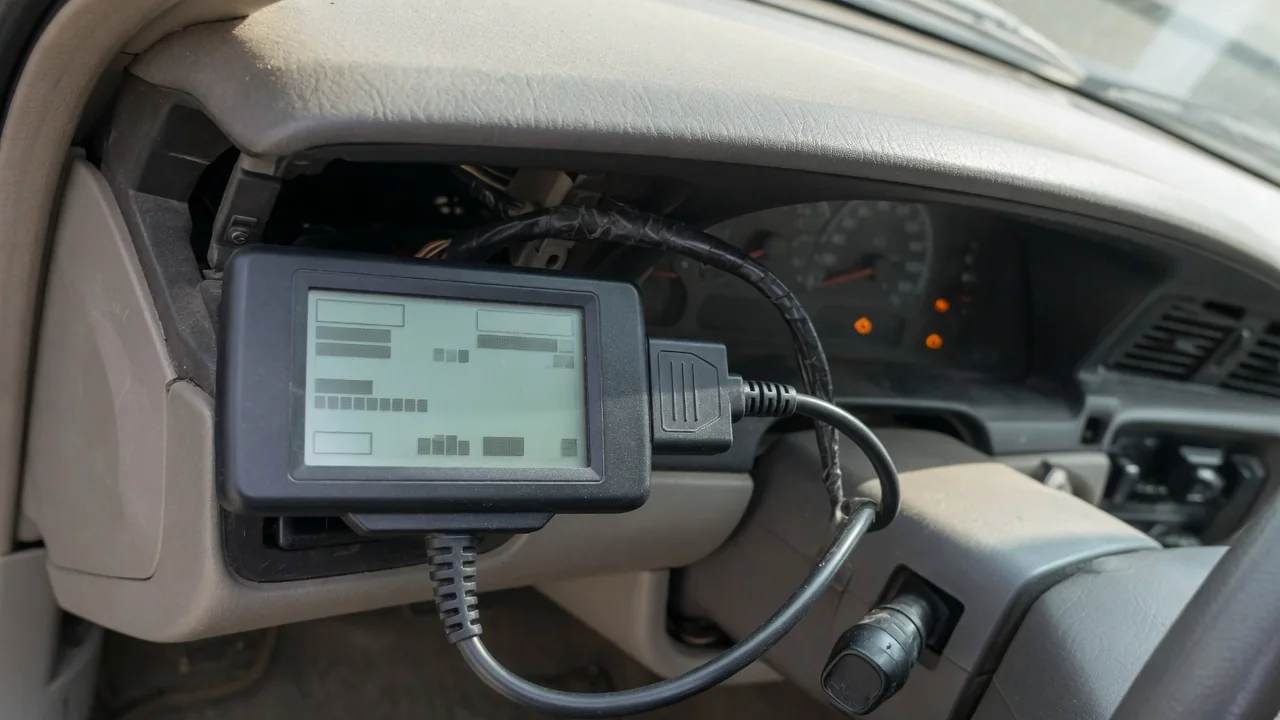
The P1490 diagnostic trouble code is a manufacturer-specific powertrain fault, meaning its definition changes depending on the vehicle make and model. Because the P1 prefix is reserved for automaker-defined codes, a P1490 on one car can point to an entirely different system than on another. Drivers who find this code stored in their vehicle need the correct factory definition before interpreting symptoms or planning repairs. Treating P1490 as a universal fault can lead to misdiagnosis and unnecessary parts replacement.
What P1490 Means and Why the Definition Varies by Make
A P1490 code belongs to the manufacturer-specific range of OBD-II powertrain codes, where the third character identifies the subsystem but the final two digits are assigned by the automaker. This means the same code number can represent different faults depending on the vehicle. For example, one manufacturer may use P1490 for a cooling fan relay control problem, while another may define it as a vacuum cut valve bypass valve circuit issue. Without the correct factory definition, any diagnostic conclusion is unreliable.
To confirm what P1490 means for a specific vehicle, consult the factory service manual or use a professional scan tool that includes manufacturer-specific code definitions. A generic OBD-II code reader may only display the code number or a vague statement such as 'Manufacturer Controlled Auxiliary Emission Controls.' The vehicle identification number (VIN) and engine type are essential when looking up the exact meaning, because even within one make, different engine options can share a code number with different definitions. A dealership or experienced independent shop can provide the correct definition.
Reading the Code Correctly Before Drawing Conclusions
When a P1490 code appears, the first step is to record the complete list of stored codes, not just the one the reader highlights first. A scan tool often shows multiple codes from the same event or from separate faults. Note whether each code is pending, stored, or permanent. A pending code means the fault was detected once and the computer is waiting for another failure before turning on the check engine light. A stored code has been confirmed after multiple trips. A permanent code is a recent regulation addition that remains until the vehicle completes the required drive cycles, even after clearing.
Freeze frame data is a snapshot of sensor values captured when the code was set. It commonly includes engine coolant temperature, engine speed, vehicle speed, and fuel trim. This data can reveal whether the fault happened during a cold start, at idle, under acceleration, or at highway speed. Write down the freeze frame values before clearing the code, because the clear command erases them. Without this data, a technician cannot reproduce the operating conditions that triggered the fault, which makes diagnosis slower and less certain.
Symptoms Drivers May Notice With a P1490 Code
Symptoms caused by a P1490 code vary widely because the code has different meanings by manufacturer. Some vehicles show no noticeable change in behavior other than the illuminated malfunction indicator lamp. Others may idle roughly, hesitate during acceleration, or consume more fuel than usual. The driver should note when the check engine light first appeared and whether it is steady or flashing. A steady light usually indicates a fault that does not immediately damage the catalytic converter, while a flashing light signals a misfire that may allow unburned fuel to reach the converter.
Observing how the vehicle behaves can support diagnosis, but it cannot identify the root cause. A rough idle and a cooling fan code might seem unrelated until a wiring diagram shows they share a ground. Similarly, fuel economy changes can result from many faults beyond those that set a P1490. Drivers should record symptoms with dates and driving conditions, such as cold start, hot restart, or heavy traffic. If the symptom includes overheating, a fuel smell, smoke, or serious power loss, stop driving and have the vehicle towed to a shop to prevent further damage.
Types of Faults That Can Trigger Manufacturer-Specific Codes
Manufacturer-specific powertrain codes are set when the powertrain control module detects a reading outside its expected range, but the code does not name a single failed part. The monitoring system checks electrical circuits, sensor plausibility, and actuator response. A P1490 code for a cooling fan relay, for instance, can be caused by an open circuit in the relay coil, a shorted control wire, a blown fuse, or a failed relay itself. The computer only reports the symptom: the circuit behaves incorrectly. The technician's job is to determine which part of the circuit is at fault.
Wiring and connector problems are common in many diagnostic trees because automotive connectors face vibration, moisture, and temperature extremes. A technician checks for corrosion, bent pins, loose terminals, and chafed insulation. Vacuum hoses and intake air leaks can also set codes that seem electrical, because the computer interprets a lean mixture as a sensor or actuator fault. Ground connections are another frequent source of circuit problems. The code sets when the monitored system deviates from the program's limits, not when the computer sees a component brand or part number.
Safe Checks an Owner Can Do Before Visiting a Shop
With the engine off and cool, an owner can perform a visual inspection without tools. Look for disconnected electrical connectors near the area related to the confirmed code definition. Check visible vacuum hoses for cracks, collapse, or loose ends. Examine wiring harnesses for signs of rodent chewing, burnt insulation, or wires rubbing against metal brackets. These conditions may create intermittent faults that set a P1490 code only under certain engine movement or temperature. Do not reach near belts, fans, or hot surfaces, and do not unplug or probe anything.
Contacting a dealership service department with the VIN may reveal technical service bulletins or open campaigns for the specific vehicle. However, bulletins exist for only a fraction of code-related complaints, and a clean inspection does not mean the electrical circuit is healthy. A broken wire inside the insulation or a failing relay contact can look perfect from outside. The owner's visual check is a useful first step to find obvious damage, but it cannot substitute for circuit testing with a digital multimeter and a wiring diagram.
How Professional Diagnosis of P1490 Typically Works
A professional diagnosis begins by confirming the vehicle's exact code definition through the factory scan tool or service information. The technician then follows the manufacturer's diagnostic procedure for that specific P1490 code, which is a step-by-step decision tree. This may involve monitoring live data from the powertrain control module, such as relay command state, sensor voltage, or duty cycle. Circuit testing includes checking for battery voltage at the connector, testing resistance, and loading the circuit to find high resistance. Component function tests confirm whether a relay clicks, a motor runs, or a valve holds vacuum.
Replacing parts based only on the code number seldom fixes the fault and often wastes money. A P1490 for a cooling fan relay circuit can be set by a failed fan motor drawing too much current, a corroded connector, or a blown fuse, none of which are repaired by a new relay. After diagnosis, the shop should explain the confirmed definition, the test results that led to the recommendation, and the reason a specific part or repair is needed. Asking for these details helps the owner understand the service and avoid unnecessary work.
After the Repair: Confirming the Fix and Whether It Is Safe to Drive
After the repair and code clearing, the vehicle may require a specific set of driving conditions before the powertrain control module runs its self-tests again. This drive cycle can include cold start, idle, steady cruising, and deceleration events depending on the system repaired. Until the readiness monitors complete, the scan tool may show 'not ready' status. A quick return of the P1490 code after a short drive suggests the root cause was not fully addressed, or a second fault exists in the same circuit.
Readiness monitors affect emissions testing because many inspection stations reject a vehicle with incomplete monitors. Local rules vary, but a recently cleared code almost always requires some driving before an emissions test can pass. Whether the vehicle is safe to drive after a repair depends on the confirmed meaning and current symptoms. If the code definition involves cooling fan control and the engine shows no overheating, short local trips may be acceptable while monitors complete. The shop that performed the diagnosis should state the driving limitations for the specific case.