P1487 Code: What It Means, Symptoms and How to Diagnose It
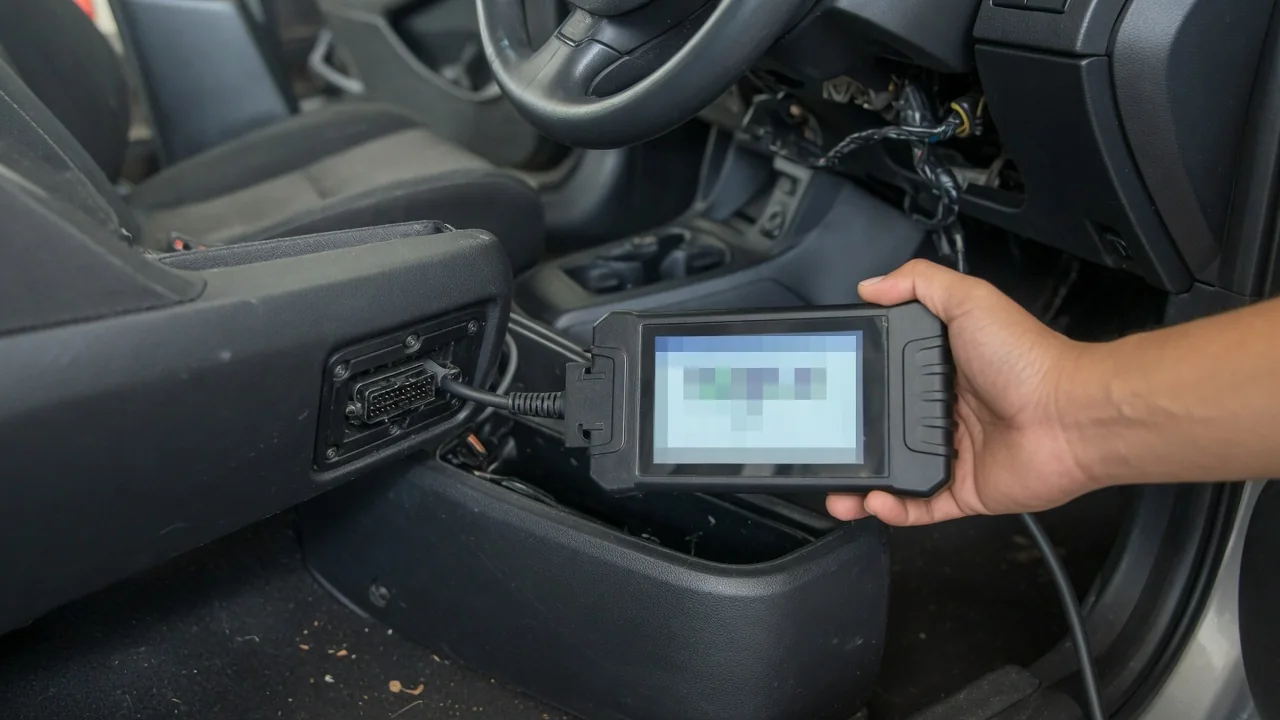
Seeing a P1487 code can be confusing because P1xxx codes are manufacturer-specific, meaning the same number refers to different systems depending on the vehicle. Unlike generic OBD-II codes with universal definitions, P1487 requires confirming the exact meaning for your make, model, and engine before any repair. This guide explains how to read the code correctly, recognize symptoms, and follow a logical diagnosis process.
What the P1487 Code Means and Why It Differs Between Makes
P1487 falls into the manufacturer-specific range of OBD-II trouble codes. Generic codes like P0300 have one meaning across all brands, but a P1xxx code can signify different faults depending on the automaker. On one vehicle, P1487 might relate to a cooling fan control circuit, while on another it could involve an exhaust gas recirculation system or transmission solenoid. The powertrain control module sets the code when it detects an abnormal condition in a circuit or subsystem defined by the manufacturer.
Because the definition varies, never rely on a generic online code list or a meaning from a different brand. Incorrect information can lead you to inspect the wrong component. A trouble code does not prove a specific part has failed; it only indicates the control module flagged a circuit or system as behaving abnormally. The actual problem could be wiring, a connector, a sensor, an actuator, or the module itself. Confirming the exact definition using factory service information or a scan tool with manufacturer-level data is essential.
How to Read P1487 Correctly Before Drawing Conclusions
Before drawing conclusions, record the full code list from your scanner, not just P1487. Many scanners show pending, stored, and permanent codes in addition to the active one. A pending code means the condition has occurred but not yet met the criteria to turn on the check engine light, while a stored code may be from an earlier event. Writing down every code and its status gives a clearer picture; sometimes P1487 is accompanied by another code pointing to the same system.
Freeze frame data is also vital. When the code sets, the control module captures engine temperature, speed, load, and other conditions. This snapshot can show if the fault happens only during cold starts, at highway speeds, or under heavy acceleration. Other codes present may share a common cause with P1487, like a bad sensor ground or wiring issue. Note whether the check engine light is steady, flashing, or off with only a stored code—a flashing light usually indicates a severe misfire that can damage the catalytic converter.
Symptoms Drivers May Notice With P1487
Symptoms depend on the system the manufacturer ties P1487 to. Some vehicles show no drivability change at all, especially if the code relates to an emissions subsystem or secondary air pump. Others may have rough idle, reduced power, hesitation, or stalling if a critical sensor or actuator circuit is involved. On one model, P1487 might make cooling fans run constantly, while on another it could affect transmission shift quality or fuel trim.
Write down when symptoms appear to help a technician. Does the idle dip only when cold? Does the car hesitate after refueling? Does the temperature gauge climb higher than normal? Note unusual noises like clicking or buzzing under the hood, or smells of fuel or coolant. Some warning signs mean stop driving: a flashing check engine light, overheating, or major power loss can cause immediate damage. Pull over safely and have the vehicle towed if you notice these.
Possible Cause Categories to Check Once the Definition Is Confirmed
After confirming the exact definition of P1487 for your vehicle, consider cause categories rather than a fixed parts list. Think broadly: wiring and connector problems, faulty sensors or solenoids or actuators, vacuum leaks or damaged hoses, or a control module fault. Many electrical circuit codes stem from physical connection issues—corrosion, loose terminals, broken wire strands, or harness chafing. A careful visual inspection of the relevant harness and connectors is often the first step in a manufacturer's diagnostic procedure.
Sometimes a software or calibration issue in the powertrain control module sets the code. Automakers release updated software to correct false codes or overly sensitive diagnostics. Only a dealer or qualified shop with factory access can confirm this. Avoid assuming a particular part is the most common cause without vehicle-specific evidence, as that leads to unnecessary replacement. Follow a logical testing sequence based on the confirmed definition.
Safe Checks You Can Do at Home
You can perform safe visual checks at home with the engine off and cool. Inspect the area around the component or circuit related to the confirmed P1487 definition. Look for disconnected or loose connectors, cracked vacuum hoses, damaged wire insulation, or signs of heat or corrosion. Use a flashlight for hard-to-reach areas, but do not remove covers or components needing special tools. A loose connector or broken hose is often an easy fix.
Clearing the code and driving through a complete drive cycle gives useful information. If the code returns quickly under similar conditions, the fault is likely consistent. If it stays away for days, the problem may have been intermittent or triggered by temporary low voltage. Clearing alone does not fix anything—it resets learned data and emissions monitors. Never replace parts based only on the code number. Check with a dealer for technical service bulletins or campaigns using your VIN, but do not assume one exists.
When P1487 Needs Professional Diagnosis
When P1487 needs professional diagnosis, a technician follows the manufacturer's procedure. Using a scan tool with full capabilities, they view live data to observe the suspect circuit in real time. Pinpoint tests with a digital multimeter check voltage, ground, and signal continuity. Because P1xxx codes are not standardized, factory wiring diagrams and diagnostic flowcharts are critical—generic code readers often cannot provide enough direction.
Seek prompt professional help if the code keeps returning, drivability symptoms appear, or the vehicle overheats. Multiple related codes plus P1487 suggest a broader issue needing systematic diagnosis. When visiting the shop, bring your code list, freeze frame data, symptom notes, and recent repair history. This information saves diagnostic time and helps the technician focus on the correct system.
Can You Keep Driving, and What Repair Usually Involves
Whether you can keep driving with P1487 depends on the confirmed definition and symptoms. If the vehicle runs normally and the check engine light is steady, you may drive cautiously while scheduling diagnosis. However, if the code relates to cooling, transmission, or fuel systems, continued driving could cause damage. With an active code, your vehicle will likely fail an emissions inspection because readiness monitors are incomplete and the check engine light is on.
Once the root cause is repaired, clear all codes and reset the control module. Then complete a specific drive cycle—a sequence of cold start, idle, cruising, and deceleration—to run the emissions monitors. Rescan the vehicle: if P1487 does not return and all monitors report ready, the repair is likely successful. If the code returns, further diagnosis is needed, and returning to the shop with the same documentation is best.