P1485 Code: Meaning, Causes and How to Diagnose It
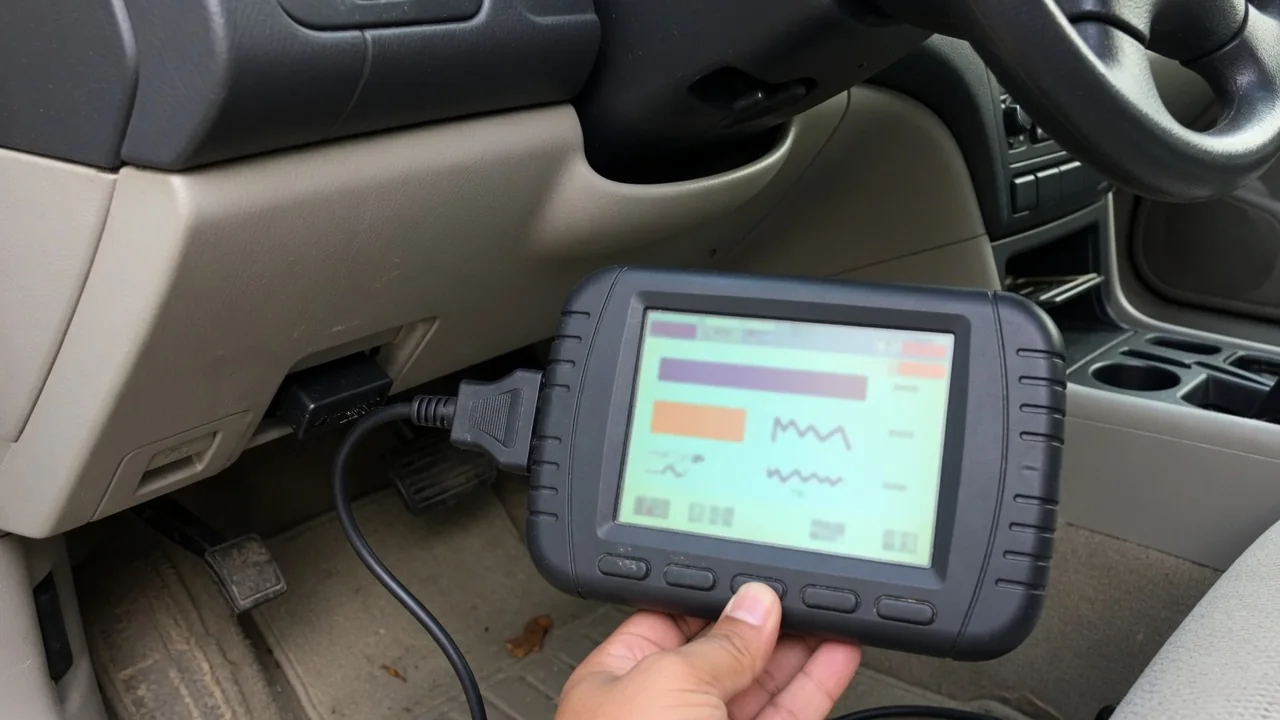
A P1485 diagnostic trouble code can appear on many vehicles, but it does not carry a single, universal definition. Because P1xxx codes are manufacturer-controlled, this code may point to different systems depending on your exact make, model, year, and engine. Understanding what P1485 means for your vehicle is the first step toward an accurate diagnosis. The check engine light may be on, but the underlying fault could range from an emissions component to a cooling system issue, so confirm the manufacturer-specific meaning before assuming anything.
What the P1485 Code Means and Why It Differs by Manufacturer
The P1485 code falls into the manufacturer-specific range of OBD-II diagnostic trouble codes. Unlike generic P0xxx codes, which are standardized across all automakers, P1xxx codes are controlled by each manufacturer. This means P1485 can have a completely different definition on a Ford than it does on a Hyundai or a Mercedes-Benz. Without a confirmed definition, any symptom list, cause category, or repair procedure is just a guess. You must verify what P1485 means for your particular vehicle before you can begin troubleshooting.
To confirm the exact definition, start with a scan tool that offers enhanced manufacturer data rather than a basic generic OBD-II reader. Factory service information for your specific model and powertrain is also reliable, and a dealer or qualified shop can look up the code based on your VIN. Avoid relying on generic online code lists or forum posts that may apply another brand's definition to your car. An incorrect interpretation can lead you to replace the wrong part and waste time and money, so always verify with a source that recognizes manufacturer-specific codes.
Symptoms Drivers May Notice With P1485 Stored
Because the system affected by P1485 depends on the manufacturer, there is no one symptom list that applies to every vehicle. Some drivers may notice nothing more than an illuminated check engine light, while others experience rough idle, hesitation, or changes in fuel economy. You might also detect unusual noises, odors, or warning messages on the instrument cluster. Pay attention to when symptoms occur: during cold start, after the engine warms up, under hard acceleration, or at steady cruising speed. Recording these details helps a technician diagnose more efficiently.
In many cases, a stored P1485 may not cause any noticeable drivability problems at all, and the only sign is the warning light staying on. That does not mean the fault is harmless, because the vehicle may still be operating in a reduced-performance or default mode. If you see a flashing check engine light or experience severe issues like stalling, loss of power, or overheating, reduce driving immediately and have the vehicle inspected. A flashing light often signals a condition that can damage the catalytic converter or other components.
Possible Cause Categories to Check Once the Definition Is Confirmed
Once you have confirmed the manufacturer's definition for P1485, you can begin to narrow down potential causes. Broad cause categories include wiring and connector faults, such as corrosion, loose terminals, or damaged insulation. Sensor or actuator failures in the circuit assigned to the code are also possible, along with vacuum leaks, cracked hoses, or control module and software issues. The exact categories that apply will depend entirely on what system your manufacturer has linked to P1485, so do not assume a general list covers your situation.
Related trouble codes stored at the same time can change which causes are most relevant. For example, a P1485 alongside a circuit-specific code may point to a shared wiring problem, while a P1485 with a performance code might suggest a failed component. Use a reliable scan tool to view all stored and pending codes before you start any repairs. Clearing codes too early can erase valuable clues and make diagnosis harder. Always treat the code as evidence to interpret, not proof that a particular part has failed.
Safe Checks You Can Do Before Visiting a Shop
Before visiting a shop, you can perform some safe visual checks with the engine off and cool. First, read and save all stored and pending codes along with freeze frame data, but do not clear anything. Clearing the code right away can erase the freeze frame information that shows engine conditions when the fault occurred, and it will also reset emissions readiness monitors. Those monitors need to complete again for an emissions inspection, which could delay your inspection or hide the problem temporarily.
With the engine cool, inspect accessible wiring harnesses and connectors related to the system identified by your confirmed P1485 definition. Look for obviously damaged insulation, corrosion, loose connectors, or wires rubbing against sharp edges. Check for cracked, disconnected, or collapsed vacuum hoses. Avoid probing electrical circuits with a test light or multimeter, and do not touch hot, high-pressure, or fuel-related components. If you suspect a technical service bulletin or software update applies, ask a dealer to check by VIN, but do not assume one exists without verification.
How a Technician Diagnoses P1485
A professional technician will follow the manufacturer's specific diagnostic procedure for the confirmed P1485 definition. This usually begins with reviewing freeze frame data and any stored codes, then checking live data with an enhanced scan tool to observe how the suspected circuit or system is behaving. The scan tool may allow component activation tests, such as cycling a relay, solenoid, or motor, to see if the commanded action occurs. Circuit testing is performed against manufacturer specifications using a digital multimeter or oscilloscope, but only after the correct wiring diagram is obtained.
The technician's goal is to confirm the root cause before replacing any parts. Guessing and swapping components can be expensive and may not fix the fault. For intermittent P1485 codes, the problem may not be present during the initial visit. In those cases, the technician may need to road test the vehicle while monitoring live data or ask the owner to drive with a scan tool recording until the fault recurs. This careful approach saves time and prevents unnecessary repairs.
Repair Approaches and Confirming the Fix
The correct repair for a P1485 code depends on the verified cause. If the diagnosis finds a damaged wire or loose connector, a wiring repair may be all that is needed. A failed sensor or actuator will require replacement, but only if testing confirms it is faulty. If the manufacturer has issued a software update or technical service bulletin related to the code, reprogramming the powertrain control module may resolve the issue. Never assume parts are interchangeable between years or engines; always use parts that match the specific vehicle as confirmed by the manufacturer or a reliable parts supplier.
After completing the repair, the technician will clear the code and any related data, then complete a drive cycle to run the affected emissions readiness monitors and confirm normal operation. A drive cycle is a specific set of driving conditions required by the manufacturer to test the system, and it may take longer than a short trip around the block. The repair is not considered complete until the code does not return. Costs vary widely depending on the cause and labor rates, so get a local quote rather than relying on general price estimates.
Is It Safe to Drive With a P1485 Code?
Whether it is safe to drive with a P1485 code depends on the confirmed definition and the symptoms you are experiencing. If the vehicle runs normally and the check engine light is steady, you may be able to drive cautiously to a repair shop. However, if you see a flashing check engine light, notice overheating, loss of power, burning smells, or unusual noises, stop driving as soon as safely possible and get help. Ignoring these warning signs can lead to expensive damage or unsafe conditions.
Even if the car seems fine, a stored P1485 may affect emissions inspections. Many states will fail a vehicle if the check engine light is on or if emissions readiness monitors are incomplete. Ignoring the code could also allow a minor fault to worsen and damage other systems. If you cannot confirm the meaning of P1485 for your vehicle or if symptoms get worse, have a professional diagnose it promptly. Knowing the exact manufacturer-specific definition is the key to a safe and cost-effective repair.