P1483 Code: What It Can Mean, Symptoms and How to Get It Diagnosed
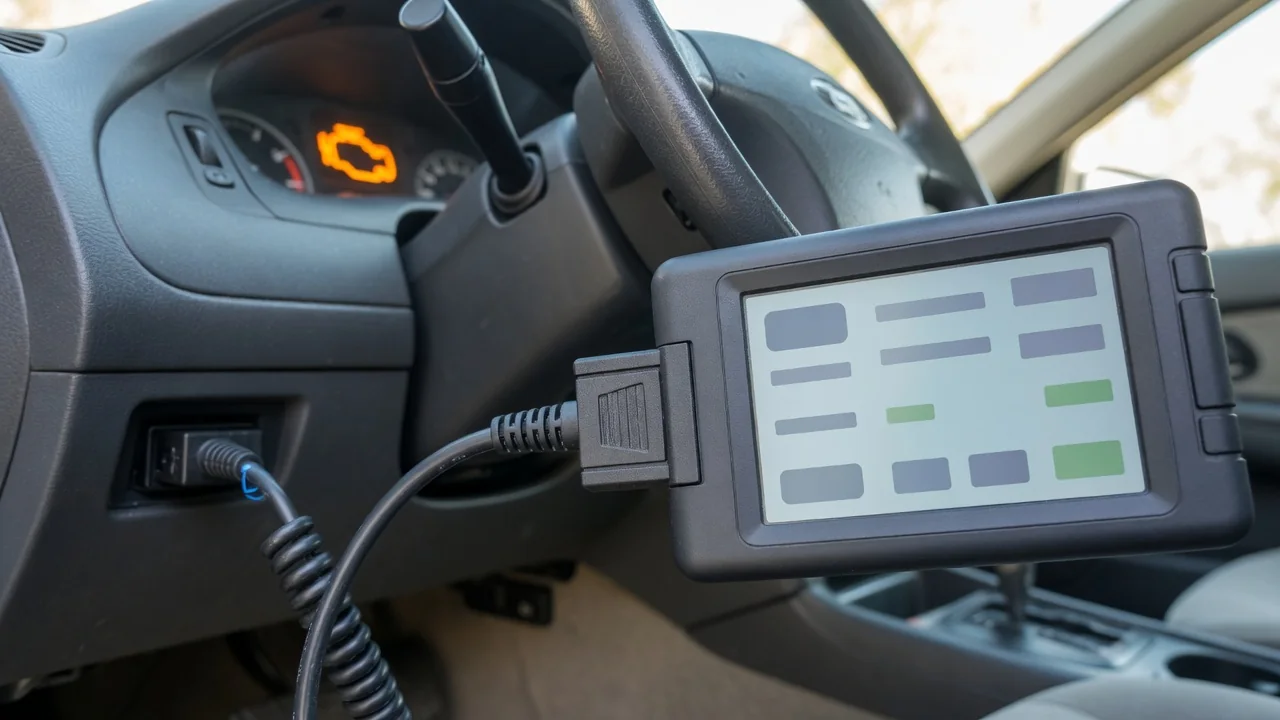
A P1483 diagnostic trouble code is a manufacturer-specific fault that can mean different things depending on the vehicle make, model, year, and engine. Because it is not a universal OBD-II code, drivers should never assume one definition applies to all cars. The check engine light may be the only symptom, or there could be drivability changes. Correct diagnosis starts with confirming the exact description from a capable scan tool or factory service information.
What P1483 Is: A Manufacturer-Specific Trouble Code
P1483 is not a standardized OBD-II code. The P1xxx range is reserved for manufacturer-specific faults, so each automaker assigns its own meaning. One brand may use it for a cooling fan control circuit, while another could define it as an idle air control issue or something else entirely. Acting on a generic online description without checking your exact vehicle can lead to unnecessary repairs and missed faults.
To verify the true definition for your car, use a scan tool that includes manufacturer-level code descriptions, consult the factory service information, or contact a dealer or qualified shop. Generic code readers and many websites often display a single meaning that may come from a different automaker. Treat any unverified definition as a possibility only, never as confirmation for your particular vehicle.
Why the Same P1483 Code Can Point to Different Systems
The same code number can point to completely different systems in different vehicles. For example, on one model P1483 might relate to an engine cooling fan, while on another it could involve an EGR component or a glow plug module. This is why you must record the exact wording shown on a scan tool that has the correct vehicle definition. The number alone is not enough to know which system is reporting the fault.
Freeze frame data is a valuable companion to the code description. It captures conditions such as engine speed, coolant temperature, and vehicle speed at the moment the fault was set. Together with the full code wording, this data helps narrow down the circuit or function involved. Before any diagnosis, write down everything the scan tool displays—the code definition, freeze frame information, and any other stored codes.
Symptoms to Watch For When P1483 Is Stored
Symptoms with P1483 depend heavily on the verified definition and how the affected system behaves. Some drivers may notice only a steady check engine light. Others may see additional warning lights, an abnormal temperature gauge reading, unusual fan noise, rough idle, or reduced performance. In many cases, the vehicle may seem completely normal. Noting exactly what you observe—or that you notice nothing different—can still help a technician.
Pay attention to when symptoms occur: at cold start, during warm-up, in stop-and-go traffic, or at highway speed. This timing can point toward specific circuits or components. Any sign of overheating, a rising temperature gauge, or a warning message related to cooling should be taken seriously. Pull over safely and shut off the engine if you see these signs, because continued driving can cause severe engine damage.
Possible Cause Categories and the Limits of Guessing
Once you know the confirmed definition, you can consider possible cause categories. Wiring or connector faults are common in many systems, as are problems with sensors, actuators, relays, or the control module itself. Software issues or calibration problems are also possibilities. However, there is no reliable ranking of causes across all vehicles. Without testing, any part in the circuit could be responsible, and replacing one part is only a guess.
Swapping parts based on the code number alone often wastes money and does not fix the underlying fault. The code tells you which circuit or function the computer thinks is out of range; it does not tell you which component has failed. Also review any other stored codes, because related faults can influence each other. A complete picture of all codes and freeze frame data is essential before a technician begins testing.
Safe Checks a Driver Can Do Before Visiting a Shop
Before visiting a shop, you can take some safe, non-invasive steps. Use your own scan tool to read and record every code, note whether each is a current fault or a stored history code, and save or photograph the freeze frame data. Check whether other warning lights are on at the same time. This information gives the technician a head start and prevents the loss of valuable diagnostic evidence.
With the engine off and cool, you can make a careful visual check of accessible areas. Look for obviously damaged or melted wiring, loose connectors, or signs of rodent damage. Do not remove engine covers or reach into areas where electric cooling fans could start unexpectedly. Never open a hot coolant reservoir or radiator. Clearing the code without a repair only hides the problem and erases freeze frame data, making future diagnosis harder.
How a Technician Diagnoses and Repairs P1483
A professional technician begins by confirming the exact manufacturer definition for your vehicle, then follows the factory diagnostic procedure for that specific code. This usually involves checking wiring, connectors, and component operation with a digital multimeter, lab scope, or scan tool bi-directional controls. The technician may also look for technical service bulletins or software updates that apply to the vehicle, but their existence is not guaranteed.
The actual repair depends entirely on what the testing finds. It could be a simple connector repair, a failed sensor, a relay, or a control module reflash. There is no standard fix for P1483; the code number only directs the diagnostic path. After repair, the technician clears the code and drives the vehicle under conditions similar to those that set it, to confirm the fault does not return.
Can You Keep Driving With a P1483 Code?
Whether you can keep driving with P1483 stored depends on the verified definition and the symptoms you are experiencing. If you see a temperature warning, overheating signs, or any noticeable driveability problem like stalling or misfiring, stop driving and have the vehicle towed to a repair facility. Ignoring these signs can turn a simple electrical fault into a major engine failure.
Even if the vehicle seems to run normally, a stored P1483 means a system is not performing as expected. It should be diagnosed soon. A minor electrical fault can lead to reduced fuel economy, emissions problems, or damage to other components over time. Your practical next steps are to verify the exact definition for your car, document all symptoms and codes, and schedule professional testing without delay.