P1480 Code: What It Means and How to Diagnose It Safely
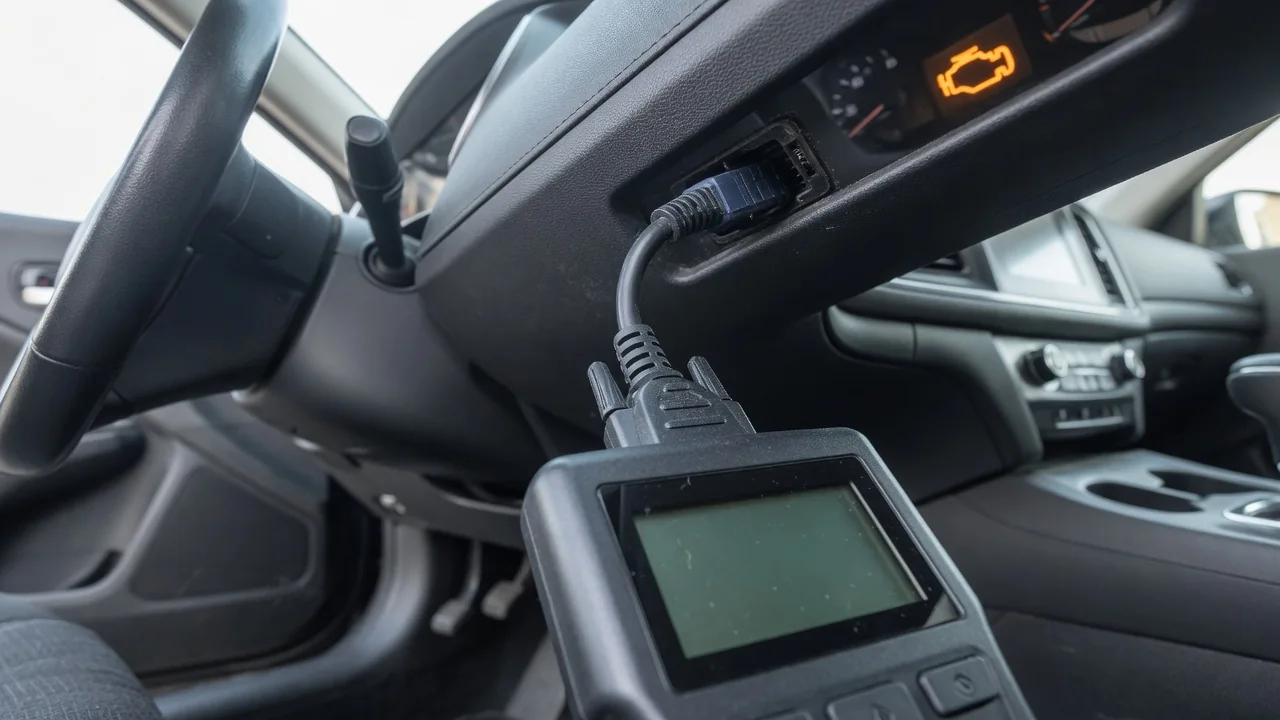
The P1480 code appears when a vehicle’s onboard diagnostics detects a fault in a system defined by the manufacturer, not by a universal standard. Because this is a manufacturer-specific trouble code, the same number can signal different problems on different makes and models. A check engine light may accompany the code, but the actual circuit involved—such as cooling, emissions, or engine management—must be confirmed for your exact vehicle before any repair is attempted.
What P1480 Is and Why Its Meaning Depends on Your Vehicle
P1480 is not a generic OBD-II diagnostic code with one shared meaning across all vehicles. Instead, automakers use this code for their own powertrain control module routines, so a definition from one brand may point to a cooling fan relay while another uses it for a variable intake tuning circuit. Relying on a broad interpretation can send a diagnosis in the wrong direction from the very first step.
A generic lookup site often shows the definition from whatever make it indexed first, which could be completely unrelated to your car. That mismatch leads people to replace a part that is not faulty while the actual wiring harness connector or control circuit remains damaged. Checking the exact make, model, year and engine against factory service information or a dealer-level scan tool is the only safe way to know what P1480 means for your vehicle.
How to Look Up the Correct P1480 Definition for Your Car
Before looking up the code, record the VIN, model year, engine size, and any other stored codes from the same scan. A basic code reader may only display the number or a vague label like “manufacturer control,” but an enhanced scan tool with OEM data can show the full description assigned by the automaker. Those exact words often name the circuit you need to inspect first.
The code status also matters: a pending code means the fault happened once but has not repeated enough to turn the light on, while a current or history code shows it is active or has returned. Freeze frame data captures sensor readings from the moment the fault set, which can reveal whether the engine was cold, hot, or under load. All of this context prevents guessing and keeps the diagnosis focused on the correct system.
Symptoms Drivers May Notice With a P1480 Code
Because P1480 can be assigned to different systems, the symptoms vary widely. One driver may notice the radiator fans running at full speed constantly, while another sees no change at all. Common things to watch include whether the check engine light stays on steadily or flashes, how the car accelerates and idles, any warning messages in the instrument cluster, and gauge readings such as engine temperature or voltage.
Writing down when the symptoms appear helps a technician reproduce the fault. For example, a code that only sets after a long highway drive may point to a heat-related open circuit, while one that appears on a cold start could involve a sensor reading out of range before warm-up. Even if the car feels completely normal, the code still means a monitored value fell outside the expected range and should be investigated.
Possible Causes Once the Definition Is Confirmed
Once the correct definition is confirmed, possible causes fall into a few general types: damaged wiring or loose connectors, a failed component on that circuit, a faulty relay or control module output, or a software logic error in the powertrain control module. The same code can be caused by a bad part or by the wires and terminals that feed it, which is why replacing the obvious component without testing often does not clear the fault.
Related codes stored at the same time give a strong clue. If another code reports a shared power supply or a neighboring sensor, the problem may be a common ground or a chafed harness rather than two independent part failures. Intermittent faults are especially common with P1480 because connector pins can lose contact only when hot or vibrating, so a visual inspection and careful wiggle test are part of an accurate diagnosis.
Safe Checks You Can Do Before Visiting a Shop
With the engine off and cool, you can safely look at the connectors and wiring in the area named by the verified definition. Check for loose plugs, green or white corrosion on terminals, cracked insulation, or wires that have rubbed against a bracket. Do not unplug anything while the ignition is on, and do not try to repair a wire or connector unless you have the training and tools to do it safely.
Before clearing the code, write down the number and any freeze frame data. Clearing the code erases the stored conditions that a technician needs to find an intermittent fault. If the same code returns after a short drive, that suggests the problem is still present, but it does not prove which part failed. Keep away from hot coolant hoses, moving fan blades, belts, and live electrical circuits during any underhood inspection.
Is It Safe to Drive With P1480?
Whether it is safe to continue driving depends on the system tied to P1480 on your specific vehicle. If the code relates to engine cooling fan control, for example, driving in traffic could lead to overheating. Stop immediately and seek help if the temperature gauge climbs into the red, the check engine light flashes, you smell strong burning or electrical odors, or the car suddenly loses power.
Even without obvious symptoms, driving for weeks with an unverified code can allow a small fault to grow. A relay that sticks intermittently can overheat a wiring circuit, and a cooling fan that fails to engage can damage the engine. If the vehicle temperature rises or drivability worsens while you are on the road, having it towed is safer than limping to a shop.
When Professional Diagnosis Is Needed and What to Expect
A professional starts by confirming the manufacturer-specific definition for your VIN and checking for technical service bulletins that may describe the exact pattern. Then they follow factory test procedures: checking power and ground at the connector, measuring sensor or actuator response, and comparing live data to known good values. This step-by-step method avoids replacing parts that are not the root cause.
Intermittent faults, module communication problems, and circuits that require wiring diagrams are especially good reasons to leave the work to a shop. Share your symptom notes, the saved freeze frame data, and any recent repairs or modifications. A history of prior work often points to a connector left loose or a harness pinched during another repair. The final repair cost depends on the confirmed cause, so avoid any price guess until testing is done.