P1476 Code: Meaning by Make, Symptoms, Causes and Diagnosis
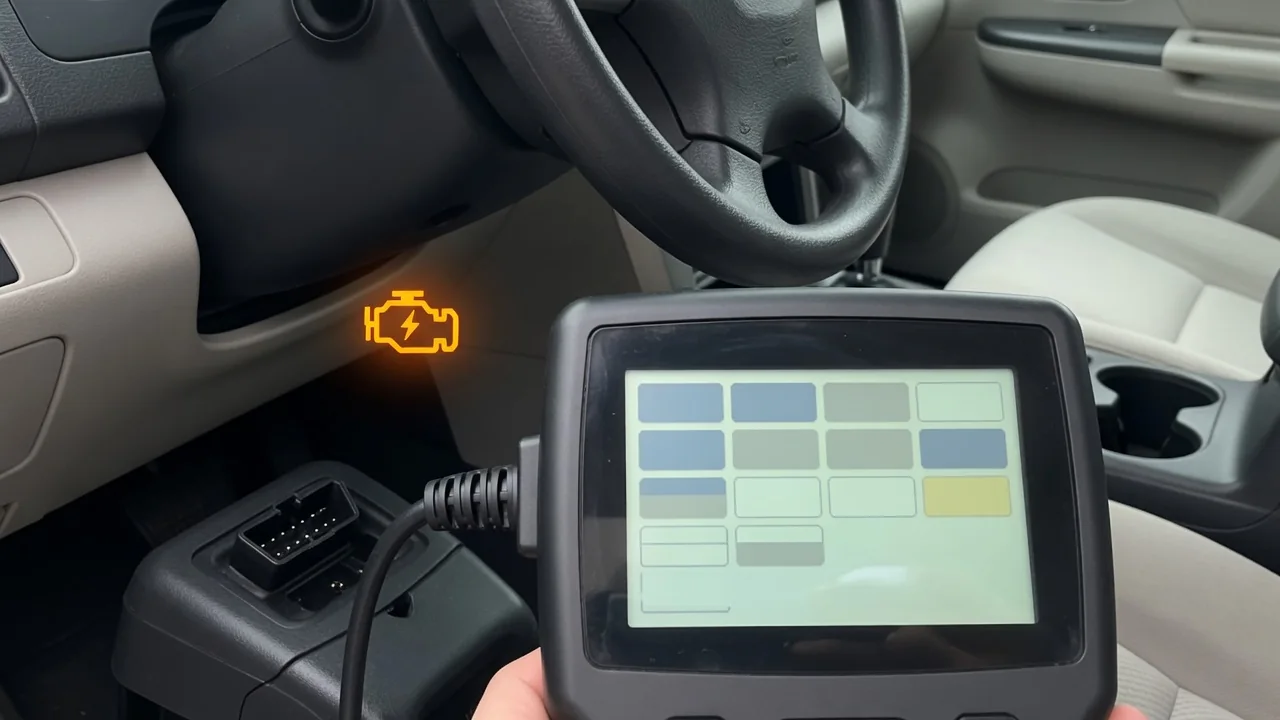
When the check engine light comes on, a code like P1476 can be confusing because it does not mean the same thing on every car. The P1 prefix is reserved for manufacturer-specific powertrain codes, so the definition varies by make and even by model or engine. Reading the code with a basic OBD-II scanner may show a generic or incorrect description. To diagnose P1476 properly, you must confirm the exact meaning for your vehicle and understand the possible symptoms, causes, and safe diagnostic steps.
What the P1476 Trouble Code Means and Why It Varies by Manufacturer
A P1476 diagnostic trouble code belongs to the manufacturer-specific range, meaning each automaker can assign it to a different subsystem. For example, one brand may use it for an evaporative emission leak detection pump fault, while another may define it for a variable intake manifold runner control issue. Therefore, no universal interpretation exists. The powertrain control module sets the code when a monitored circuit or function falls outside expected values, but the expectation depends on engineering choices.
Because of this variability, you must confirm the code definition for your exact make, model, year, and engine. Factory service information or a dealer-level scan tool provides the accurate definition. Generic code lookup websites and basic readers often show a wrong or outdated description, which can lead to replacing parts that are not faulty. When the code appears, record full vehicle details, code status (pending, confirmed, or permanent), and any companion codes. That information helps later diagnosis.
How to Confirm the Correct P1476 Definition for Your Vehicle
To confirm the correct P1476 definition, use the vehicle identification number and model year to access manufacturer-specific service information. Many aftermarket scan tools read enhanced manufacturer codes, but not all. A scan tool that also displays freeze frame data and readiness monitor status is more useful. Freeze frame data shows engine conditions at the moment the fault was recorded, such as temperature and rpm, which can guide diagnosis. Readiness monitors indicate whether emissions tests have run.
Check for technical service bulletins related to the specific vehicle and code. A bulletin may describe a known issue and the recommended repair, but do not assume one exists. The absence of a bulletin does not rule out a problem. Avoid relying on single forum posts or definitions written for a different brand. What P1476 means on one manufacturer may be irrelevant on another. Using the wrong definition leads to wasted time and incorrect repairs.
Symptoms Drivers May Notice With a P1476 Code
With a P1476 code, the check engine light may be the only sign. Since the code is tied to a manufacturer-specific system, symptoms depend on that system's function. For example, if the code relates to an evaporative emission control leak, you may notice a fuel smell. If it relates to a variable valve timing actuator, you may hear abnormal engine noises or feel rough idle. However, these are general observations, not certainties for P1476.
A flashing check engine light or severe drivability problems, such as misfiring or stalling, mean the vehicle should be driven gently or not at all until checked. A flashing light usually indicates a catalyst-damaging misfire. A lack of symptoms does not mean the fault is harmless. Even if the vehicle drives normally, an emissions-related fault may cause a failed inspection. Pay attention to any change in idle smoothness, acceleration, or unusual smells, and note when they occur.
Possible Cause Categories Behind P1476
Possible causes behind P1476 depend entirely on the confirmed manufacturer definition. There is no fixed list of faulty parts that apply to every make. However, broad cause categories are common to many manufacturer emissions and monitoring codes. Wiring and connector faults, such as chafed insulation or corrosion, can create open or short circuits. Sensor or component failure may occur, but that must be proven by testing. Vacuum or hose problems, including cracks or disconnections, can affect pressure-based systems. Control module software issues may set a false code.
Related codes stored with P1476 can help narrow down which system is involved. For example, if an oxygen sensor code and P1476 appear together, they may share a common circuit or ground. Conversely, unrelated codes may be set by different faults. A code shows which circuit or check failed, not which part is bad. For instance, a P1476 for an EVAP leak detection pump circuit does not prove the pump is defective; it could be a wiring problem. Thus, diagnosis requires testing, not parts swapping.
Safe Checks You Can Do Before Visiting a Shop
Before visiting a shop, you can perform non-invasive observations. With the engine off and cool, visually check for damaged wiring, loose connectors, or cracked hoses in the area named by the confirmed definition. For example, if the code relates to an EVAP system, inspect the charcoal canister and associated lines. Do not disconnect anything unless you are confident and have safety knowledge. Look for signs of rodent damage or heat-related insulation melting. A thorough visual check sometimes reveals an obvious fault.
Note the conditions when the check engine light came on, such as after refueling, on a cold start, or during highway driving. That information can help the technician replicate the fault. Avoid clearing the code before recording freeze frame data, as clearing erases that valuable snapshot. Also, clearing the code resets readiness monitors, which must run again before an emissions inspection. Warn against probing live circuits, disconnecting modules, or working near hot or moving engine parts without proper training and tools; electrical and thermal hazards are real.
When Professional Diagnosis Is Needed and What to Expect
Confirming a manufacturer-specific fault often needs pinpoint tests, wiring diagrams, and enhanced scan tool functions. For example, a technician may command a component on and off to see if the circuit responds. The typical diagnostic process includes checking the exact definition, reviewing freeze frame and live data, performing component and circuit tests, then repairing and verifying. Replacing parts based only on the code number is unreliable because the code indicates a failed check, not a failed part.
When you take the vehicle to a shop, ask questions such as: Which test confirmed the failed part? Was there a technical service bulletin or software update that applies? Will the repair include verifying the fix with a drive cycle? A competent technician should be able to explain the test results. If the shop wants to replace a part without testing, consider a second opinion. Also, ask if the problem could be caused by a wiring or connector issue, which is often overlooked.
After the Repair: Clearing P1476 and Confirming the Fix
After a correct repair, the P1476 code should not return after a full drive cycle. A drive cycle is a specific set of driving conditions that allows the powertrain control module to run its self-tests. The exact drive cycle varies by manufacturer and sometimes by vehicle, so follow the factory procedure if available. Until readiness monitors complete, the vehicle may fail an emissions inspection even if the light is off. Therefore, complete the required drive cycle before taking the vehicle for inspection.
If P1476 returns quickly, the original fault was not fully corrected, or there is another underlying problem. Further testing is needed, possibly including a closer look at wiring, connector pins, or the control module itself. Do not simply clear the code repeatedly. Keep records of the confirmed definition, tests done, and parts replaced. That documentation helps future diagnosis and may be useful if the vehicle is sold. A recurring code indicates a persistent issue that needs professional attention.