P1473 Code: What It Means, Symptoms, Possible Causes and Next Steps
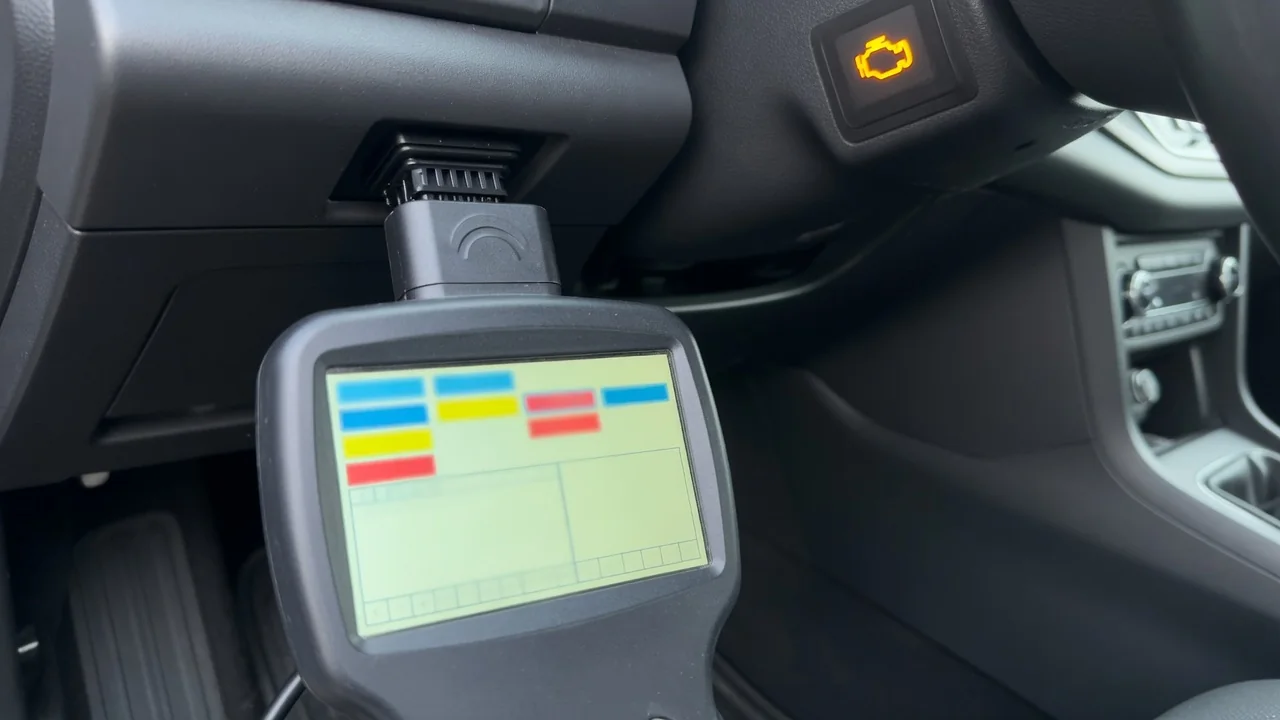
A P1473 diagnostic trouble code appearing on your scan tool points to a manufacturer-specific fault, not a universal problem shared across all vehicles. Because the check engine light cannot describe the exact system involved, the true meaning depends on your vehicle’s make, model, year, and engine. Acting on a generic definition from an online list may send diagnosis in the wrong direction and waste money on unnecessary parts.
What the P1473 Code Is and Why Its Meaning Depends on the Manufacturer
Codes in the P1xxx range are reserved for manufacturer-specific use, meaning P1473 has no single definition that applies to every car. For example, one brand may use it for an evaporative emission leak detection pump circuit concern, while another may apply it to a cooling fan control issue. The same four characters can point toward unrelated systems, so searching for a universal explanation provides little useful guidance.
Before interpreting the code or purchasing replacement components, confirm the definition for your exact vehicle configuration. Generic databases often display the first or most common listing, which may belong to a different brand entirely. A technician must match the code to the correct engine calibration and model year before any meaningful diagnosis can begin. The check engine light alone only says a fault was recorded, not which circuit or component set the code.
How to Confirm the Correct P1473 Definition for Your Vehicle
A scan tool capable of displaying manufacturer-specific definitions is the most direct way to confirm what P1473 means on your vehicle. Basic OBD-II readers may show only the generic P-code number or a vague category, leaving you guessing. Tools with enhanced factory coverage can pull the exact description from the engine control module’s diagnostic tables, matching the software version in that specific car.
Record every stored detail before clearing anything, including freeze frame data, code status such as pending or confirmed, and any other trouble codes present. Factory service information or a dealer service department can provide the definition tied to your vehicle identification number if a suitable scan tool is unavailable. Related codes stored at the same time often share a common trigger and help narrow which system P1473 truly belongs to on your particular model.
Symptoms and Driving Observations Worth Noting
Symptoms tied to a P1473 code depend entirely on the confirmed definition. Some vehicles show no drivability change beyond an illuminated check engine light, while others may exhibit rough idle, poor acceleration, unusual cooling fan behavior, or reduced fuel economy. Because the fault may be intermittent, noting when the symptom appears and under what conditions is more valuable than trying to force it.
Pay attention to warning lights, temperature gauge movement, unusual noises, changes in engine performance, and whether the issue occurs only when cold, hot, or with accessories running. If the temperature gauge rises excessively, a flashing check engine light appears, or the vehicle enters reduced power mode, stop driving as soon as safe and seek assistance. Recording engine temperature, speed, weather, and A/C use helps a technician reproduce the fault later.
Possible Cause Categories Once the Definition Is Known
Once the correct definition is known, possible causes usually fall into broad categories rather than a single failed part. A P1473 code often points to a circuit malfunction, a component that is not responding as expected, or an input/output signal the engine control module cannot interpret correctly. The fault may be in the wiring harness, an electrical connector, a relay, a fuse, or a software calibration depending on the exact system involved.
The code identifies the fault the system detected, not necessarily the part that needs replacing. A wiring issue can mimic a failed sensor or actuator, and replacing the component without testing the circuit often leaves the original problem unresolved. Avoid buying parts based only on the code number, since this approach wastes money and may not address the underlying cause. The confirmed definition plus diagnostic testing points to the correct repair.
Safe Checks an Owner Can Do Before Visiting a Shop
With the engine off and fully cooled, you can safely inspect accessible wiring and connectors for obvious damage, corrosion, or loose fit. Look for insulation rubbed through, melted sections near hot components, or green or white deposits inside plugs. Checking fluid levels according to the owner’s manual may reveal a low coolant condition if the code relates to cooling system operation.
Never open a hot cooling system cap or reach near electric cooling fans or drive belts, which can start or move without warning even with the ignition off. Clearing the code without fixing the cause only hides the problem temporarily and erases freeze frame data that a technician needs. Stop at visual inspection and note-taking. Electrical testing with a multimeter, module reprogramming, and component removal should be left to qualified professionals with proper service information.
When Professional Diagnosis Is Needed and What to Expect
A professional technician will first confirm the P1473 definition and review the enable criteria that must be met before the code can set. The manufacturer’s diagnostic procedure then guides systematic testing, which may include live data review, circuit resistance and voltage checks, connector terminal inspection, and component activation tests. Technical service bulletins are also checked to see if a known software update or repair procedure applies.
Sharing your notes, freeze frame data, and symptom history with the shop shortens diagnosis. Describe when the issue appeared, what the vehicle was doing at the time, and any recent work performed. Before approving repairs, ask the shop to explain the confirmed cause and show which test results identified the faulty circuit, connection, or component. A clear explanation protects you from paying for a guess.
Confirming the Repair and Preventing a Return of the Code
After a repair, the technician should clear the code and drive the vehicle under conditions that allow the system to rerun its self-test. The check engine light should remain off, and no pending codes should return over several drive cycles. A pending code that reappears indicates the original fault is still present or a related issue was overlooked.
Readiness monitors may need time to complete before an emissions inspection, so avoid clearing codes shortly before testing. Following the maintenance schedule in the owner’s manual and addressing new warning lights promptly helps prevent a return of the P1473 code. A recurring code after a proper repair often means a wiring defect was disturbed but not corrected, requiring deeper circuit tracing.