P1471 Code: Meaning, Symptoms, Causes and How to Diagnose It
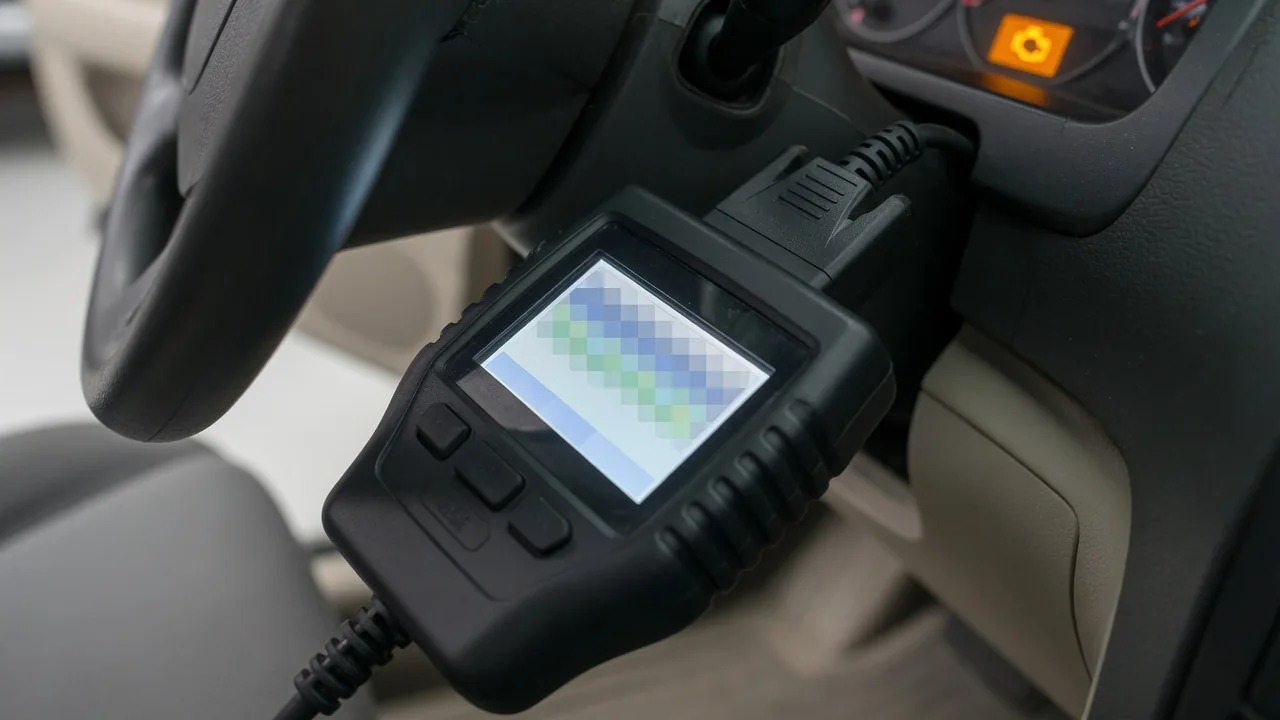
A P1471 code on your scan tool means the powertrain control module has flagged a manufacturer-specific fault, but there is no single universal definition. One brand may use it for an idle speed control issue, another for a cooling fan circuit. Treating it as a generic OBD-II trouble code invites misdiagnosis and wasted parts. You need the exact definition for your make, model, year, and engine before evaluating symptoms, causes, or repairs.
What P1471 Means and Why Its Definition Depends on the Manufacturer
Because P1471 begins with P1, it is a manufacturer-specific powertrain code assigned by the vehicle maker rather than a standardized SAE definition. The same code can point to different systems on different brands, such as an intake manifold runner control on one model or a transmission pressure sensor on another. Even within one automaker, definitions may vary by engine or platform, so a lookup table for a different vehicle is not reliable.
Confirm the meaning using factory service information, a dealer, or a professional scan tool with enhanced manufacturer descriptions. Generic code readers often show only the number or an incorrect label. Before ordering any component, verify that the description matches your exact vehicle. Applying a definition from one brand to another can lead you to replace the wrong part and leave the real issue unresolved.
Reading the Code Correctly Before Drawing Conclusions
When P1471 appears, record the complete code list before clearing anything. Note whether P1471 is current, pending, or stored, and save the freeze frame data—a snapshot of engine conditions when the fault set. This information shows the operating state that triggered the code, such as engine temperature, RPM, and load, and can help recreate the failure during diagnosis.
Other stored codes matter because they may reveal a shared cause or a related system. For example, a charging system code alongside P1471 could indicate low voltage affecting an actuator circuit. The code identifies the circuit or condition the computer flagged, not necessarily a failed part. Note when the check engine light came on, the driving conditions, and any recent repairs, battery work, or collision damage.
Symptoms Drivers May Notice With P1471
Symptoms for P1471 depend on the system that the manufacturer has assigned to it, so any list must be matched to the confirmed definition. A cooling fan code may produce overheating or loud fan operation, while an intake runner control fault could cause poor acceleration or rough idle. The only universal symptom is an illuminated check engine light, sometimes with no noticeable change in how the vehicle drives.
During the fault, note changes in cooling fan behavior, idle quality, warning messages, or emissions readiness monitors not completing. These observations apply only if they match the confirmed definition—an idle problem is irrelevant for a code defined as a transmission pressure fault. Stop driving if you see an overheating warning, a flashing check engine light indicating misfire, or sudden loss of power, because continued operation may cause serious damage.
Common Cause Categories to Consider After Confirming the Definition
Common cause categories for a manufacturer-specific code like P1471 include wiring and connector problems, sensor or actuator faults, relay or fuse issues, and control module or software concerns. Damaged, corroded, or loose wiring and connectors are frequent contributors to electrical circuit codes in general, especially in areas exposed to heat, vibration, or moisture. A visual inspection often reveals chafed insulation or pushed-back terminals.
Low battery voltage or charging system problems can trigger unrelated-looking codes on some vehicles because modules receive incorrect reference signals. Replacing parts based on a guessed cause often fails to clear the fault and wastes money. Instead, use the confirmed definition and diagnostic tests to narrow the possibilities before buying components. The code is a starting point, not a diagnosis.
Safe Checks an Owner Can Do Before Visiting a Shop
With the engine off and cool, inspect the wiring and connectors near the affected system once you have identified it from the confirmed definition. Look for obviously damaged, chafed, or disconnected wires, as well as corrosion or water entry in connectors. A loose ground or a harness rubbing against a bracket can create an intermittent fault that sets P1471. Do not probe live circuits or disconnect modules without proper procedures.
Check that the battery and terminals are clean and secure, and consider whether recent work disturbed components in the relevant area. A dealer can check for technical service bulletins or software updates that address a known P1471 issue on your vehicle. Avoid working near moving fans or hot components, and do not attempt voltage measurements on live circuits unless you have the correct tools and training to do so safely.
How Professional Diagnosis of P1471 Typically Works
A technician follows the manufacturer's diagnostic procedure for the confirmed P1471 definition. This usually involves circuit testing and component tests with a multimeter or oscilloscope, following a step-by-step flow chart. Manufacturer-level scan software can show live data, run active tests (such as commanding a fan or actuator), and read enhanced codes that generic tools do not display.
Intermittent faults are harder to pin down because the problem may not be present during testing. The technician may road test with a data logger or monitor parameters over time to catch the failure. Bring the code list, freeze frame data, symptoms, and when they happen—this saves diagnostic time and helps the tech know whether the fault appears only when cold, hot, or under load.
Repair, Clearing the Code and Confirming the Fix
The repair depends entirely on the confirmed definition and test results. It may range from a connector repair or wiring fix to component replacement or a software update. For example, a P1471 defined as a cooling fan control circuit may need a new fan relay, while the same code on another vehicle might require reprogramming the engine control module. Do not clear the code without a repair.
Clearing the code only hides the problem and can reset emissions readiness monitors needed for inspection. After the repair, confirm the fix by driving through several drive cycles—the code should stay off and readiness monitors should complete. If P1471 returns quickly or new related codes appear, return for further diagnosis because the original cause was not fully corrected.