P1467 Code: Verify Its Meaning, Causes and Repair Steps
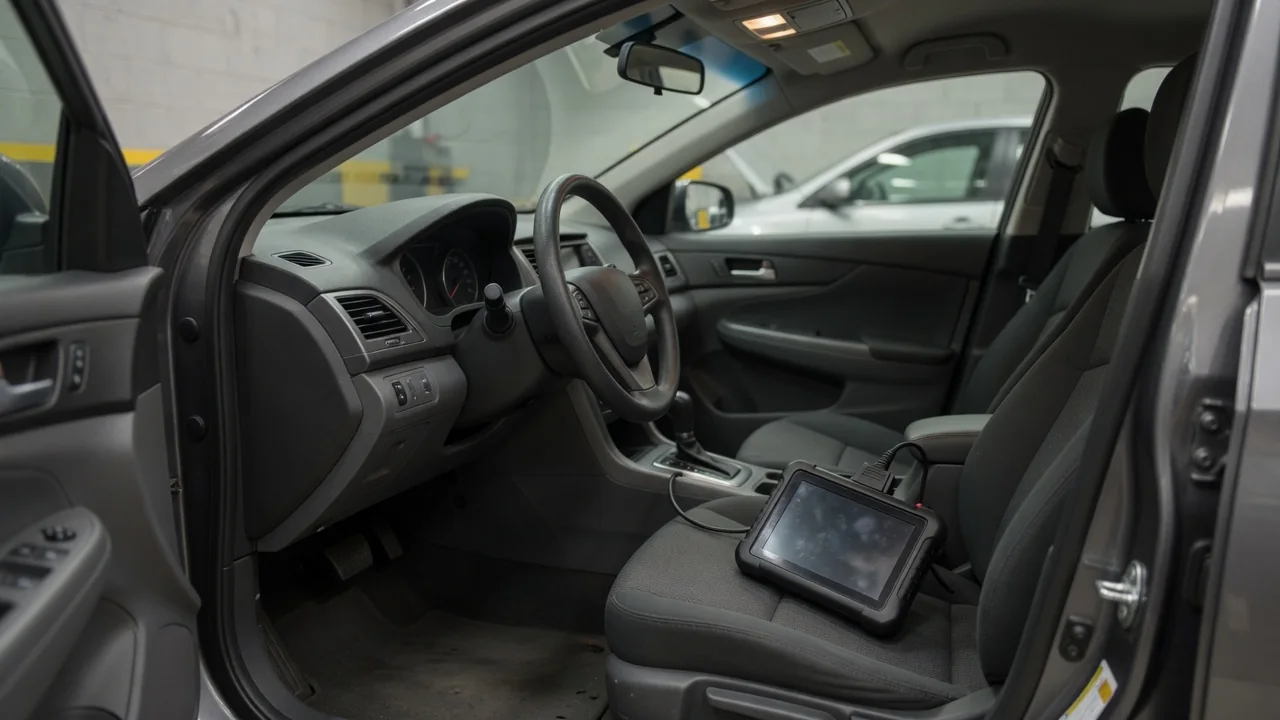
The P1467 code is a manufacturer-specific trouble code, so it does not share one universal meaning across every make. Before treating scanner text as the final definition, confirm the vehicle identification number, engine, model year and the service information that applies to that application. A stored P1467 result is diagnostic evidence to interpret with a scan tool, freeze-frame data and companion codes, not proof that a named part has already failed.
Verify What P1467 Means for Your Vehicle
P1467 is a manufacturer-specific trouble code, which means it is not a generic powertrain definition shared by every brand. The same five-character result can point to different systems depending on the maker, so it cannot be assigned one universal component or circuit. Interpreting the P1467 code therefore starts with the exact vehicle: make, model, model year, engine family and the vehicle identification number. Those details identify the service information that actually applies, rather than a definition copied from another application.
A diagnostic scan tool often displays a short description next to P1467, but that wording is information to verify, not a substitute for factory procedure. Vehicle-specific service information establishes both the correct definition and the diagnostic path for that application. A manufacturer-specific definition should be used only when the exact vehicle application is established; otherwise the affected system should remain unspecified. Until that confirmation exists, treat the stored result as a request for identification rather than as a named failed part.
Record Symptoms and the Conditions When the Code Appeared
When P1467 sets, write down what the vehicle actually did rather than assuming a standard symptom list. Note warning lights, dashboard messages, starting behavior, idle quality, power delivery and any change in how the vehicle operates. Those observations belong to this event; they are not universal P1467 symptoms that apply to every make. Record whether the code appeared at startup, during driving or after recent service. Timing helps reconstruct the sequence, but timing alone does not establish the cause of the stored result.
A stored P1467 code can be present without an obvious driving complaint. The control module may retain a pending or confirmed result after a brief condition that the driver never felt, especially if the monitor ran during a specific operating window. Absence of a drivability change does not establish that the issue is minor, and a noticeable change does not by itself identify the failed circuit. Keep the notes with freeze-frame data so later testing can compare observed behavior with the conditions captured when the fault set.
Consider Causes Only After Identifying the Affected System
Potential causes should be organized around the verified system and its diagnostic procedure, not around a universal P1467 parts list. Once service information identifies the circuit or function, inspection can consider wiring, connectors, power supply, control signals and component operation where that application makes them relevant. Those items are not automatically implicated on every vehicle that stores P1467. Until the affected system is confirmed, replacing parts named only by a scanner label is guessing rather than diagnosis.
A code that names a component does not prove that component has failed. Open circuits, poor connections, incorrect supply voltage, signal interference and control-module logic can all produce the same stored result. Wiring inspection and fault verification belong in the confirmed procedure because they test the path the module actually used. Causes should not be ranked by how often they appear on other vehicles unless frequency is supported for this specific application. Companion codes can show related monitors, but they still require the same vehicle-specific interpretation.
Preserve Diagnostic Evidence and Make Safe Observations
Before clearing anything, save the exact P1467 code description, whether the result is pending, confirmed or in history, any companion codes and available freeze-frame data. Freeze-frame snapshots can show engine speed, load, temperature and other operating conditions at the moment the monitor failed, which later tests need for comparison. Recent battery work, repairs or disconnected connectors provide useful context, but they do not prove a connection to the stored fault. Record those events as history, then let the diagnostic sequence decide whether they matter.
Owner observations should stay limited to accessible areas with the vehicle parked and the engine off. Do not touch hot, moving or energized parts, and do not probe connectors while circuits may still be powered. Clearing the P1467 code, disconnecting the battery or replacing a named part can erase freeze-frame data, reset adaptive values and leave the original cause unresolved. Fault verification depends on the evidence that was present when the monitor ran. Removing that evidence early can force the shop to wait for the condition to return.
Use Professional Tests to Choose and Verify the Repair
A technician should follow the confirmed vehicle-specific diagnostic sequence and evaluate related codes before selecting a repair. That sequence may call for electrical measurements, live data and commanded component tests when the procedure specifies them; those steps belong to trained work, not improvised probing. Related results can change the path, because a companion code may share a supply, ground or communication circuit with P1467. Skipping that review can send the repair toward a part that never failed its prescribed test.
Each repair recommendation should be tied to an established fault, such as a verified connection defect or a component that fails the test required by service information. After the correction, verification uses the applicable procedure, code status and operating data, not an extinguished warning light alone. The monitor may need a complete drive cycle before P1467 can be confirmed as gone. If the result returns, the original evidence and the failed test still guide the next step instead of another unsupported parts swap.
Decide When to Stop Driving and What to Tell the Shop
P1467 alone cannot establish whether continued driving is safe. Urgency comes from the verified meaning, the warning messages on the instrument cluster and the symptoms the vehicle is showing now. Stop safely and seek assistance for severe power loss, overheating, smoke, a strong fuel odor or any instruction in the vehicle's warning messages to stop. Those conditions take priority over finishing a trip, regardless of whether the scan tool still shows only the P1467 code.
If the vehicle is operating normally, arrange prompt assessment and follow the owner's manual. That guidance does not promise a safe driving distance, because a stored manufacturer-specific trouble code can change behavior after the next key cycle. Give the shop the make, model, year, engine and vehicle identification number, saved scan results with freeze-frame data, when symptoms appeared and any recent service history. Those details let the technician start from verified information instead of repeating identification work already completed.