P1463 Code: What It Means, Symptoms, Causes and Diagnosis
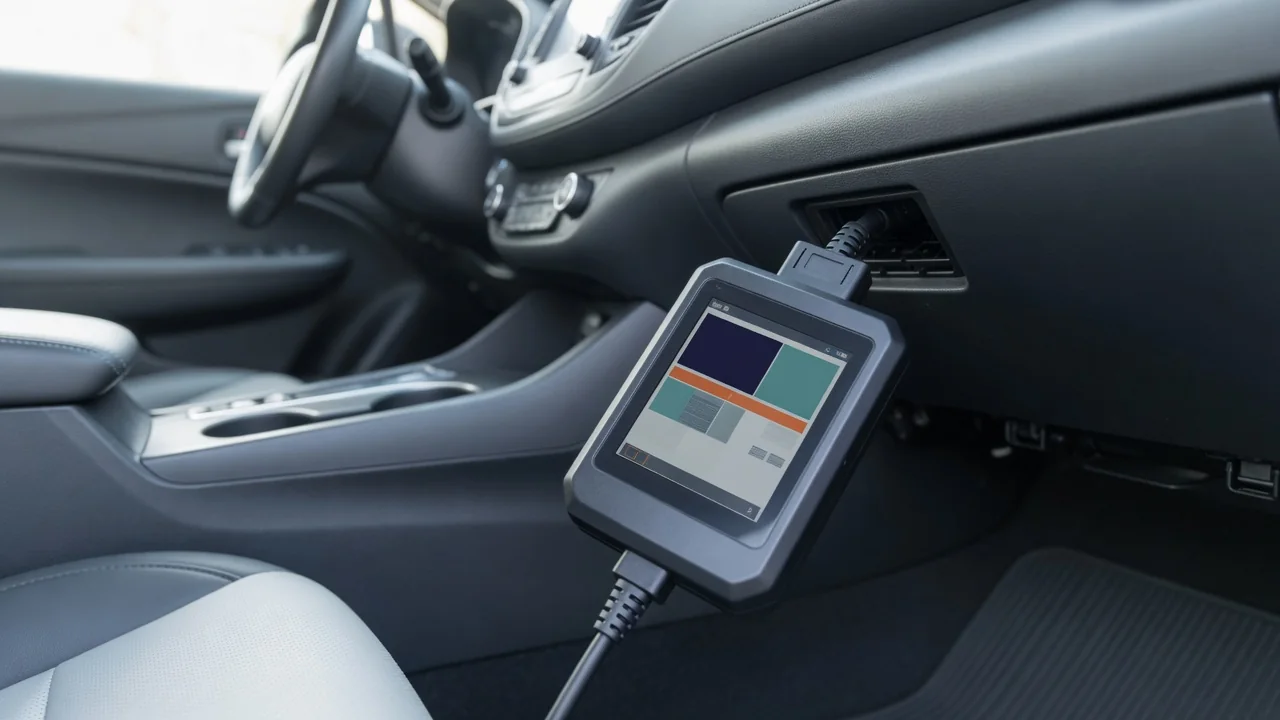
A P1463 code can be confusing because it means different things on different vehicles. Unlike generic powertrain codes, P1xxx codes are manufacturer-specific, so the same number may point to a fuel system, emissions component, or accessory circuit depending on the make and model. Before assuming a cause, confirm the exact definition for your car and then use freeze frame data and related codes to guide an accurate diagnosis.
What the P1463 Code Means and Why It Depends on Your Vehicle
P1463 is a manufacturer-specific diagnostic trouble code, which means it does not have one universal definition. Automakers use the P1xxx range for codes that apply only to their own vehicles and systems. On one vehicle, P1463 might relate to an evaporative emissions leak detection pump; on another, it could refer to an A/C refrigerant pressure sensor or a cooling fan control circuit. The exact meaning is tied to the powerplant control module calibration.
To interpret P1463 correctly, check the factory service information for your specific make, model, year and engine. Many professional-level scan tools can display the manufacturer definition and freeze frame data. Generic online code lists often show only one example, and that can be wrong for your vehicle. A wrong definition often sends diagnosis in the wrong direction, so confirm the code description before testing any components.
Reading P1463 Correctly: Freeze Frame, Code Status and Related Codes
The status of a P1463 code—pending, confirmed, or history—changes how you should respond. A pending code means a fault was detected during a drive cycle but has not yet met the criteria to turn on the check engine light. A confirmed code has triggered the light, while a history code remains stored after the fault has not recurred. If P1463 is pending or history, the fault may be intermittent and can be harder to trace.
Freeze frame data records the operating conditions when the code set, such as engine temperature, speed, and load. Reviewing this data can help you decide whether the fault appears only when the engine is cold, under heavy load, or in specific weather. Also record any other stored codes. Multiple codes together often point to a shared cause, such as a common power supply or ground. Write down all codes and freeze frame information before clearing anything, because clearing erases useful diagnostic evidence.
Symptoms Drivers May Notice With P1463
The symptoms tied to P1463 depend entirely on which system the manufacturer uses the code to monitor. Since there is no single definition across all vehicles, there is also no single symptom list. The check engine light is the most common sign, but some drivers may notice no change in drivability at all. If the code relates to an accessory system, the only complaint might be reduced comfort or unusual operation of a particular component.
Pay attention to when the light appears and under what conditions. Note the outside temperature, whether the engine is cold or warm, and any recent change in how the car drives or how accessory systems work. Safe, written observations help a technician focus testing, but symptoms alone cannot confirm a cause. They are clues that support the diagnostic process, not proof that a particular part has failed.
Common Cause Areas to Check Once the Definition Is Confirmed
Once you confirm the exact P1463 definition for your vehicle, the possible causes follow from what the code monitors. In many cases, the fault involves a sensor, its wiring harness and connectors, or the component being controlled. A failed sensor can certainly set the code, but damaged or corroded wiring and loose connectors are common suspects and are often checked first because they can mimic a bad sensor.
In rarer cases, the cause may be inside the control module or its software. However, replacing parts based only on the code number without testing wastes money and may not fix the fault. For example, if the code points to a pressure sensor circuit, the actual problem could be a broken wire, a poor ground, or a faulty sensor. Confirming the definition and then following a logical test sequence avoids unnecessary part replacement.
Safe Checks You Can Do Before Visiting a Shop
Before visiting a shop, you can perform a few safe and non-invasive checks with the engine off and cool. Look for visibly damaged wiring, unplugged connectors, or obvious debris around the sensors and harnesses related to the code definition. Do not touch hot or moving parts, and never pierce insulation or test live circuits. A close visual inspection sometimes reveals a loose connector or chafed wire that explains the code.
After noting all data, you may clear the code and drive the vehicle through a normal drive cycle to see if it returns. If the code comes back quickly, the fault is likely active. Also check with a dealer or the manufacturer's official owner resources to see if any technical service bulletins or software updates apply to your vehicle. Service bulletins often describe known problems and fixes that can save diagnostic time, but they are not a guarantee that your vehicle has that exact issue.
How a Technician Diagnoses and Repairs P1463
A technician begins by confirming the manufacturer-specific definition of P1463 and then follows the factory diagnostic procedure for that code. This usually means using a scan tool to view live data, checking wiring against factory diagrams, and performing function tests on the monitored parts. The goal is to prove which part or circuit is faulty before replacing anything. Guessing at parts without this evidence leads to comebacks and wasted money.
The repair depends entirely on the root cause that testing identifies. It may be as simple as repairing a broken wire or securing a connector, or it may require replacing a sensor, a pump, or another component. In some cases, a control module software update is the correct fix. After the repair, the technician clears the code and confirms it does not return under the same conditions that first set it. This verification step is essential to ensure the problem is truly resolved.
Is It Safe to Drive With P1463 and When to Get Help
Driving with P1463 is not automatically unsafe, but the urgency depends on the verified code definition and the symptoms you experience. If the code relates to a minor emissions monitor and the vehicle drives normally, you may have time to schedule a diagnosis. However, if the check engine light is flashing, warning messages appear, or you notice drivability, braking, steering, or overheating problems, seek professional help right away.
Ignoring any stored code can mask new faults, because a check engine light that is already on will not alert you to an additional problem. In some areas, a stored code also affects emissions inspection readiness, so the vehicle may fail inspection even if it runs well. When you visit a repair shop, share the codes, freeze frame data, and symptom notes you recorded. This information helps the technician diagnose the problem faster and more accurately.