P1462 Code: Meaning, Causes and Fixes
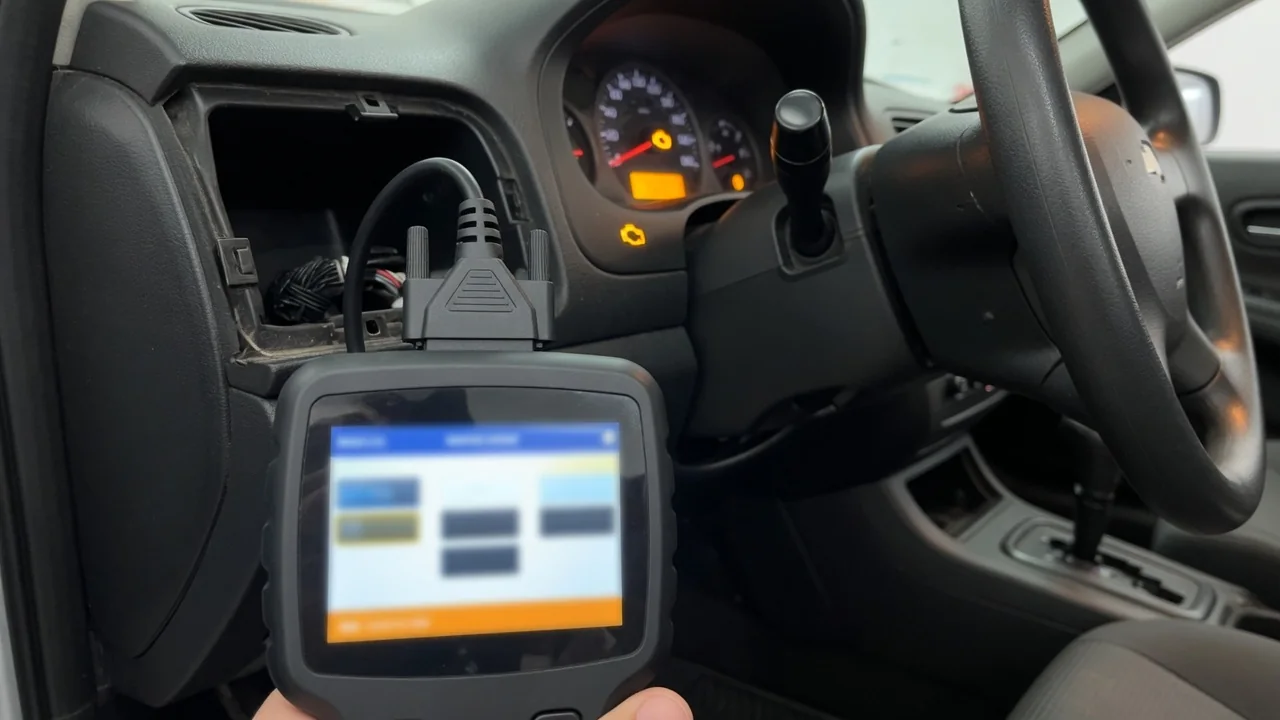
A P1462 diagnostic trouble code can be confusing because it falls in the manufacturer-specific P1xxx range, meaning its exact definition varies by vehicle make, model, year, and engine. Your check engine light is on because a control module flagged a monitored circuit or condition outside expected values. Rather than guessing at a universal meaning, you need the correct interpretation for your specific vehicle before attempting repairs. This guide explains what P1462 means, why its definition changes, the symptoms you may notice, common cause categories, safe first checks, professional diagnostic steps, fix options, and whether it is safe to keep driving.
What the P1462 Code Means and Why It Changes by Manufacturer
P1462 is in the P1xxx range where automakers define codes themselves, so there is no single universal definition. The same code can point to completely different systems on different vehicles—for example, it might relate to emissions equipment on one model and a climate-control circuit on another. Because the monitored parameter is chosen by the manufacturer, you must confirm the exact definition for your make, model, year, and engine using factory service information or a scan tool with manufacturer-specific lookup. Even among trim levels of the same year, engine variations can change the meaning.
Generic code-lookup websites and basic OBD-II readers often show only one definition, which may not apply to your vehicle. That is why the code alone does not name a failed part; it only indicates that a circuit or condition was out of the expected range. A control module monitors inputs and outputs continuously, and when a value does not match its programming, it stores a diagnostic trouble code. Treat P1462 as a starting point for diagnosis, not a conclusion about which component to replace.
Symptoms You May Notice When P1462 Is Stored
The most consistent sign of a P1462 code is an illuminated check engine light on the instrument cluster. Many vehicles will not show any other noticeable symptom because the fault may be in a circuit that does not affect daily drivability in an obvious way. You might notice no change in engine performance, fuel economy, or comfort features. However, on some vehicles the monitored condition may relate to emissions controls, cooling fans, or HVAC operation, so the presence of additional symptoms depends entirely on which system your manufacturer tied to this code.
Any secondary symptoms should not be assumed from another make or model. Note when the problem occurs—cold start, hot running, a specific engine load, or during climate-control use—because this information helps a technician narrow down the triggering conditions. You should stop driving and seek professional help immediately if you see warning signs like an overheating engine, flashing warning lights, burning smells, or a sudden loss of power. These may indicate a serious mechanical or electrical fault that goes beyond the stored code itself.
Common Cause Categories to Consider
Circuit-related codes like P1462 generally arise from a few broad categories. The first is a fault in the sensor or component that the circuit monitors—for example, an internal failure or out-of-specification reading. The second is wiring and connector problems, such as damaged insulation, corrosion, loose terminals, or broken wires. The third is poor grounds or voltage supply issues, because a control module will misinterpret signals if the reference voltage is unstable. These basic categories apply to almost any electrical diagnostic code and should be checked before suspecting complex module failures.
Low battery voltage or charging-system problems can cause misleading codes in some modules. When system voltage drops below a threshold during cranking or while running, a module may store a false circuit code because sensor inputs are not within expected limits. After confirming a healthy battery and alternator, you can move on to circuit-specific checks. Control-module software faults or internal module failures are possible but much less common. Only consider them after all basic wiring, connector, ground, and voltage checks have been completed and found good.
Safe First Checks Before Replacing Any Parts
Before replacing any parts, read the freeze-frame data and check for related stored or pending codes. Freeze-frame data records the operating conditions when the fault occurred—such as engine speed, coolant temperature, and load—which can reveal whether the problem appears only during specific conditions. Related codes may point to a shared power supply, ground, or communication network, so do not clear them yet. Visual checks are also important. With the engine off and cool, look for loose connectors, chafed harnesses, rodent damage, or fluid contamination near the relevant component or wiring.
Checking battery condition and terminal connections is a simple first step. A weak battery or corroded terminals can cause voltage drops that trigger false circuit codes. Clean and tighten terminals, then test battery state of charge. Clearing the code and watching whether it comes back gives useful diagnostic information, but clearing it too early erases freeze-frame data and readiness monitors. If you clear the code without recording the data, a technician may have to wait for the fault to recur before diagnosing it.
How Professional Diagnosis Pinpoints the Fault
Professional diagnosis begins with confirming the manufacturer-specific definition of P1462 and following the factory diagnostic flowchart for that exact code. Technicians use a scan tool to view live data from the suspected circuit while the engine is running and under various conditions. They compare actual sensor readings and control module commands to expected values. Circuit testing with a digital multimeter helps determine whether a reading is out of range because of a failed component or because of high resistance, short to ground, or open circuit in the wiring.
Technical service bulletins and software updates may apply to some vehicles. A dealer or qualified independent shop can check for these by VIN and often reprogram a module if the manufacturer has released an update for this code. When taking the vehicle in, provide the exact code, freeze-frame data, a description of symptoms, and any recent repairs or aftermarket modifications. This information reduces diagnostic time and prevents unnecessary parts replacement. Do not rely on internet guesses that name a part without circuit testing.
Fix Options Once the Cause Is Confirmed
Once the cause is confirmed, typical fixes include repairing a connector or damaged wiring, replacing a specific sensor or component, cleaning a corroded ground, or updating module software. The exact repair depends entirely on the diagnosis, not on the code alone. Before installing any replacement part, confirm compatibility by VIN or with the manufacturer's parts catalog rather than assuming a part fits based on appearance or model name. Using the wrong part can introduce new faults and make diagnosis harder.
After any repair, the technician should clear the code and verify the fix with a drive cycle and a code recheck. A drive cycle is a specific set of operating conditions that allows the control module to run its self-tests and confirm the fault is gone. Without this verification, the check engine light may return later. Some repairs involve pressurized systems, airbags, high-voltage components, or specialized tools. In those cases, leave the work to a professional rather than attempting it yourself, because incorrect handling can cause injury or damage.
Is It Safe to Keep Driving With P1462?
How urgent a P1462 code is depends on its manufacturer-specific meaning and on any symptoms you are noticing. There is no one-size-fits-all answer. On some vehicles, the code may be related to a minor emissions auxiliary circuit that has no immediate effect on drivability. On others, it may be connected to engine cooling or fuel control, where continued driving could cause damage. Even if the car seems to drive normally, get a timely diagnosis. An unresolved code can hide new faults because the check engine light is already on; you would not know if another problem developed.
A stored code may cause an emissions or inspection failure where readiness monitors or check engine light rules apply. If your local inspection requires all monitors to be set and no MIL illumination, a P1462 will likely fail the inspection. Stop driving immediately and seek professional help if the vehicle shows overheating, drivability problems such as stalling or hesitation, or multiple warning lights. These are not normal symptoms of a simple circuit fault and may indicate a more serious failure that requires immediate attention.