P1452 Code: Meaning by Make, Symptoms, Causes and Repair Options
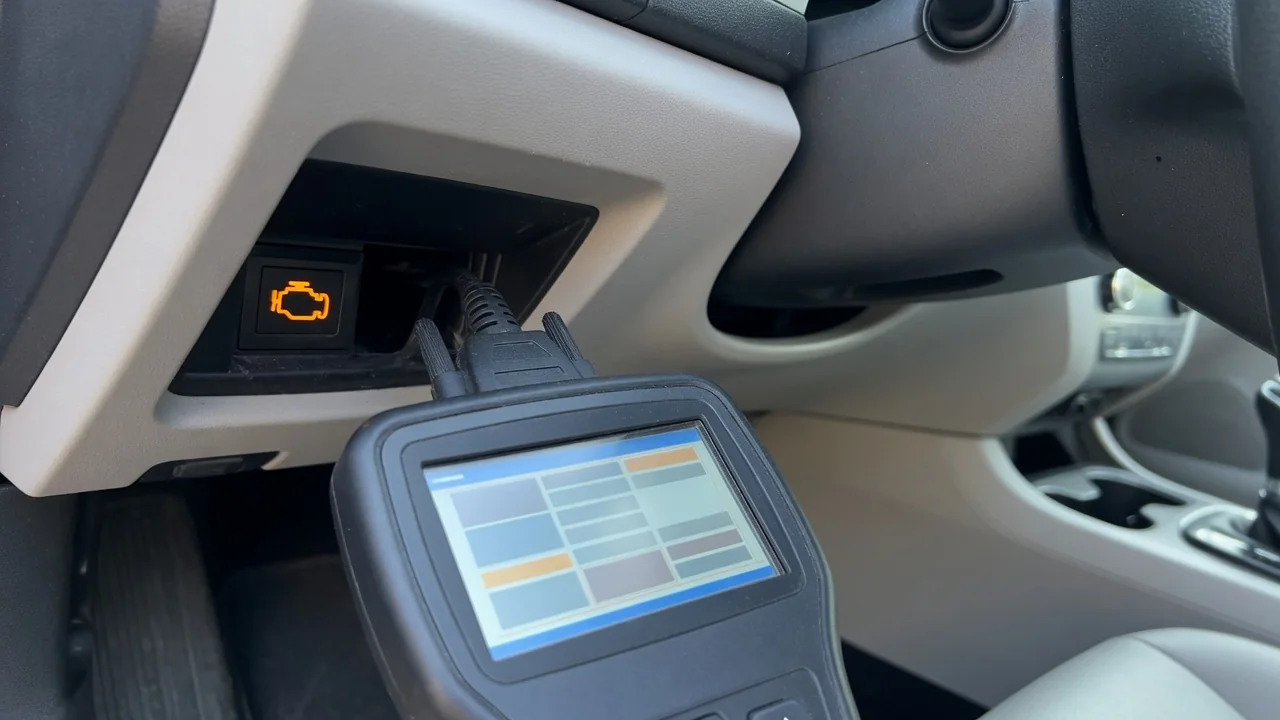
Seeing a P1452 code on your scan tool can be confusing because this alphanumeric sequence does not mean the same thing on every vehicle. Unlike generic OBD-II codes, P1xxx codes are reserved for manufacturer-specific definitions, so the fault behind P1452 depends on your make, model, year, and engine. Some automakers use it for evaporative emissions system problems, while others assign an entirely different meaning. Before replacing any part, you must confirm exactly what P1452 indicates for your particular vehicle.
What P1452 Means and Why the Definition Depends on Your Vehicle
The P1452 code belongs to the P1xxx range, which is set aside for manufacturer-specific trouble codes. There is no single universal definition that applies to all brands. For example, one manufacturer may use P1452 to flag a leak in the evaporative emissions system, while another could define it as a problem with a differential pressure sensor or an auxiliary emissions control device. The only way to know what the code means for your vehicle is to check the service information for your specific make, model, year, and engine.
A basic OBD-II scanner often displays a generic description such as 'Manufacturer Specific Code' without explaining the fault. Enhanced scan tools with manufacturer coverage can retrieve the precise definition stored in the vehicle's control module. If you rely on a generic code list or an online forum post, you risk chasing the wrong system and replacing good parts. Always verify the code's meaning against a reliable source for your exact vehicle before attempting any diagnosis or repair.
How to Read and Record the Code Before Anything Else
Before clearing the P1452 code, save every piece of diagnostic information the scan tool can show. Freeze frame data records the engine conditions when the fault was detected, such as engine temperature, RPM, and fuel system status. Related codes stored in other modules can reveal whether the problem involves a shared sensor or wiring issue. The code's status—pending, confirmed, or history—tells you whether the fault is currently present or occurred in the past.
Clearing the code right away erases this valuable data and resets the readiness monitors, which track whether the vehicle's emissions systems have completed self-tests. If you clear the code, you lose the freeze frame and any history that could help a technician reproduce the fault. Write down every code, freeze frame, and monitor status before clearing anything. A scan tool with manufacturer-specific coverage may also display a more precise description of P1452 than a basic reader, which helps narrow down the possible causes.
Symptoms Drivers May Notice With P1452
For many drivers, the only symptom of a P1452 code is an illuminated check engine light. The vehicle may start, idle, and drive normally with no noticeable change in performance or fuel economy. If the code is set intermittently, the light may turn off after a few drive cycles only to return later. Because P1452 is often emissions-related, you might not feel any difference behind the wheel, but the light alone is a sign that the vehicle is not meeting its designed emissions standards.
If P1452 relates to the evaporative emissions system on your vehicle, you might notice a faint fuel smell near the rear of the car or difficulty when refueling, such as the pump nozzle clicking off repeatedly. These are possibilities, not guaranteed symptoms, and they depend on the exact manufacturer definition. However, a strong fuel odor inside the cabin, visible fuel leaks, or any engine drivability problem like stalling or misfiring means you should stop driving and have the vehicle inspected immediately, as these can indicate a serious fuel system fault.
Possible Causes and the Limits of Guessing
Potential causes of P1452 can be grouped into general categories: sensors that provide incorrect readings, valves that stick or fail, hoses and lines that crack or disconnect, wiring and connectors with corrosion or damage, and control module software or logic errors. Without knowing the exact manufacturer definition, you cannot assume which category applies to your vehicle. A fault that sets P1452 on one brand may be caused by a component that does not even exist on another model.
On vehicles where P1452 is tied to the fuel vapor system, a loose, damaged, or incorrect fuel cap is a simple item to check before going further. The cap's seal can wear or crack, allowing vapor to escape and setting a leak code. However, swapping parts based only on the code often wastes money because the root cause may be a small leak, a faulty sensor, or a wiring issue that no new part will fix. Always confirm the definition and follow a diagnostic process instead of guessing.
Safe Checks You Can Do and When to Stop
Owners can safely perform a few non-invasive checks when P1452 appears. Inspect the fuel cap and its rubber seal for cracks, tightening it until it clicks. Look for obviously damaged or disconnected hoses in the engine bay where they are visible without removing panels. Note when the check engine light comes on—after refueling, on cold starts, or only at highway speeds—because this information helps a technician reproduce the fault.
Do not attempt to open pressurized fuel or EVAP components, and never use sparks, flames, or smoking materials near fuel vapor. Even a small leak can release flammable vapor. Checking for technical service bulletins or software updates through a dealer can be relevant because some manufacturer-specific codes are resolved by reprogramming the control module. Smoke testing, pressure and vacuum testing, and electrical circuit diagnosis require specialized equipment and training; leave those procedures to a qualified technician.
Professional Diagnosis and Repair Options
A professional diagnosis for P1452 typically starts with confirming the code's definition for the exact vehicle using the manufacturer's service information. The technician reviews the freeze frame data and any related codes, then runs system self-tests that can command the EVAP system or other components to operate. Pinpoint test procedures from the service manual guide the technician through checking sensors, wiring, and mechanical parts until the fault is isolated.
The actual repair depends on what the diagnosis uncovers. It may involve replacing a faulty component, repairing damaged wiring or connectors, fixing cracked hoses, or updating software in the control module. After clearing the code, the technician performs a specific drive cycle to run the readiness monitors and confirm the fix worked without the fault returning. Before approving repairs, ask the shop how they confirmed the definition for your vehicle and what specific test proved which part was faulty.
Is It Safe to Keep Driving With P1452?
Whether it is safe to keep driving with a P1452 code depends on the confirmed definition and any accompanying symptoms, not on the code number alone. If the code is emissions-related and the car runs normally, you might continue driving for a short time, but you should still schedule a diagnosis soon. An unresolved code means the vehicle is not operating as designed, and you cannot pass an emissions inspection in most areas while the light is on.
Stop driving immediately if you notice a strong fuel smell inside the cabin, visible fuel leaks, a flashing check engine light, or any engine performance problem such as stalling or rough running. These signs can indicate a dangerous fuel leak or a misfire that could damage the catalytic converter. Even if the car seems to drive normally, an active code can hide new faults because the check engine light is already on. Booking a diagnosis sooner rather than later prevents a small problem from becoming bigger and more expensive.