P1451 Code: Vehicle-Specific Meaning, Symptoms and Diagnosis
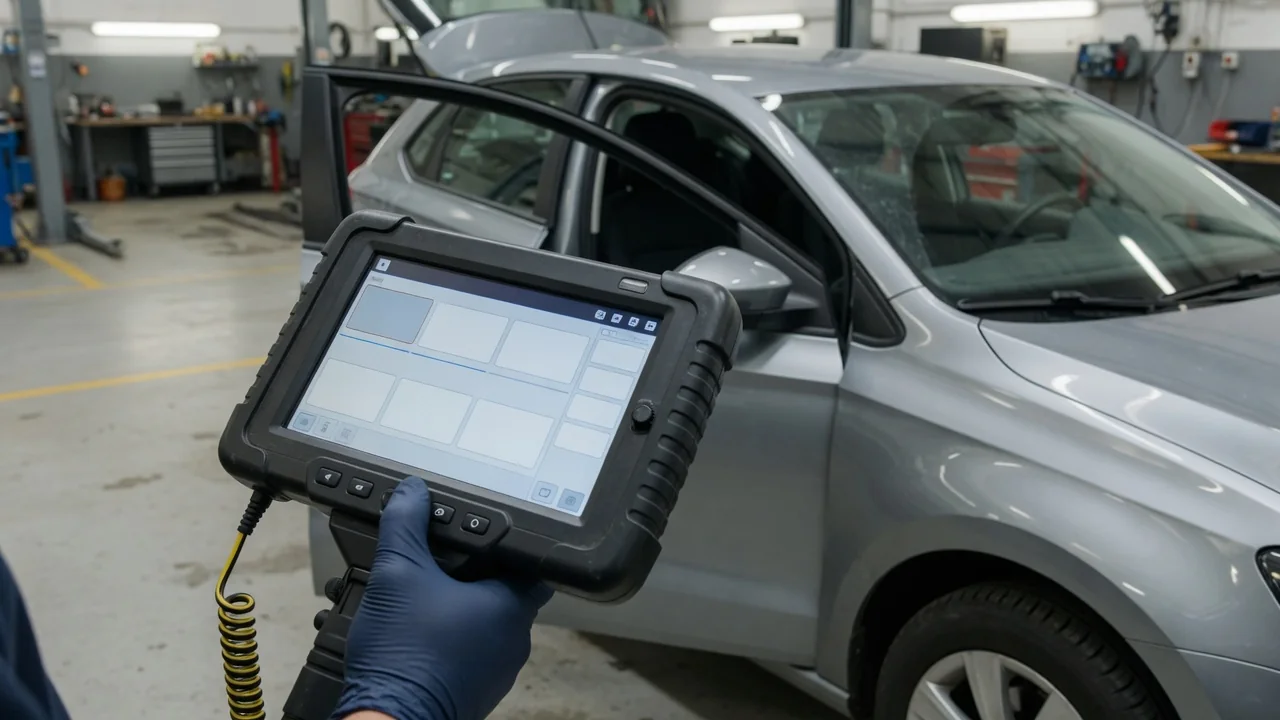
P1451 is a manufacturer-specific trouble code, so its meaning depends on the vehicle rather than on a single industry-wide definition. Before treating the P1451 code as an evaporative emissions or vent-control issue, confirm it against make, model, year, engine, and the applicable service information. That confirmed definition then guides how symptoms, possible causes, and diagnostic testing are interpreted. A stored code flags a monitored condition; it does not by itself prove which part has failed.
Verify What P1451 Means for Your Vehicle
The first diagnostic step is vehicle identification. P1451 is not a universal description of one failed part, and scan-tool text can still be incomplete or generic. Use the vehicle's make, model, year, engine, and the manufacturer's service information to confirm what the P1451 code actually monitors on that application. Until that definition is verified, later conclusions about the EVAP system, a vent control circuit, or any other subsystem remain guesses rather than supported diagnosis.
On some Ford applications, verified service coverage associates P1451 with the evaporative emissions canister vent solenoid circuit. That association applies only where the manufacturer's information for the specific vehicle confirms it, and it should not be assumed for other makes or unlisted years. Even with a confirmed definition, the code identifies a monitored condition, not a failed solenoid, harness, or module. All later discussion of P1451 symptoms, causes, and testing must follow that verified meaning rather than a borrowed description from another vehicle.
Symptoms to Record Alongside P1451
An illuminated check engine light is a possible P1451 indication, yet many drivers notice no change in how the vehicle starts, idles, or drives. Record when the light first appeared, whether it stayed on or returned after a key cycle, and whether it followed refueling or recent service. Timing can help a technician reconstruct operating conditions, but it is not proof of a cause. P1451 symptoms should be written down as observations, not treated as a substitute for the confirmed code definition.
Fuel odor, difficulty filling the tank, rough running, or starting trouble should be documented separately from the stored code. Those complaints may share a fuel or emissions pathway with some EVAP-related definitions, or they may point to an unrelated problem that needs its own investigation. Companion trouble codes can change how a shop interprets the picture, so they belong in the same notes. Symptoms alone cannot confirm what P1451 means on a given vehicle and cannot isolate the fault without diagnostic testing.
Possible Causes After the Definition Is Confirmed
Once the definition is confirmed as a vent control circuit concern, possible electrical causes include damaged wiring, corroded or loose connectors, and an electrical fault in the canister vent solenoid. Power supply, ground, and control-side problems are diagnostic possibilities only where the vehicle's circuit design actually uses those paths. A technician still has to prove which of those conditions is present. The P1451 code does not rank those causes by likelihood and does not justify replacing a solenoid, harness, or module on the code number alone.
A loose fuel cap or an EVAP leak is a common owner suspicion, but it should not be blamed automatically when the verified definition is circuit-related. A leak can set other evaporative-system codes, yet a vent-control-circuit definition points first to electrical integrity and commanded component behavior, not to a missing cap. If the confirmed meaning is something other than vent control, the cause list changes with that definition. Keep possible causes aligned with the manufacturer-specific trouble code that was actually stored.
Safe Information to Gather Before Diagnosis
Before anything is cleared, record the exact P1451 listing, the scan-tool description, whether the code is pending, stored, or confirmed, and any companion trouble codes. Preserve freeze-frame data when the tool still has it. That snapshot shows engine speed, load, temperature, and other operating context at the time the monitor flagged a condition. Freeze-frame data is useful context for diagnostic testing; it is not proof that a particular part has failed. Clearing codes early can erase that context and make repair verification harder later.
Owner observations should stay limited to dashboard warnings, how the vehicle behaved while driving, and damage that is readily visible with the vehicle parked and switched off. Do not lift the vehicle, open fuel-system connections, apply power to solenoids or connectors, or attempt homemade smoke tests. Those steps can create a leak, a fire hazard, or misleading results. Safe notes still help a shop: when the check engine light came on, whether fuel odor was present, and whether any recent service or refueling coincided with the warning.
How Professional Testing Determines the Repair
Professional diagnosis starts with the confirmed code definition, the wiring information for that vehicle, and the manufacturer's diagnostic procedure. A technician can inspect connectors and harness routing, then evaluate power, ground, wiring integrity, and component response with equipment suited to that circuit. That work stays within published test steps rather than improvised probing or jumper shortcuts. Inspection may reveal obvious damage, but circuit testing is still required to show whether an open, short, high resistance, or control-side fault actually exists.
Commanded component tests or EVAP leak testing may be appropriate only when the verified definition and the findings already in hand support those steps. A circuit-related meaning does not automatically call for a smoke test, and a leak-related meaning does not automatically condemn a solenoid. Repairs should follow demonstrated faults, not a parts list derived from the code number. After the repair, the shop should recheck for P1451, address remaining companion codes, and allow the applicable monitor to complete as part of repair verification.
When to Seek Service and What to Ask
The P1451 code by itself cannot establish whether the vehicle is safe to drive. Urgency comes from warning-light behavior and from actual symptoms, not from the number on the scan tool. Stop safely and seek assistance if there is a strong fuel odor, visible fuel leakage, a flashing check engine light, or severe running problems such as stalling or a sudden loss of power. A flashing light in particular is treated as an urgent running concern, independent of how P1451 is defined on that vehicle.
A steady check engine light without urgent symptoms still warrants scheduled diagnosis, following the owner's manual for that vehicle. Ask the shop to confirm the manufacturer-specific meaning of P1451, to explain test findings, to state why the proposed repair addresses those findings, and to describe how successful repair will be confirmed. That conversation should include whether companion trouble codes were present and whether freeze-frame data influenced the path. Clear answers on definition, diagnostic testing, and repair verification keep the work tied to the vehicle rather than to a generic parts swap.