P1446 Code: Vehicle-Specific Meaning, Symptoms and Repairs
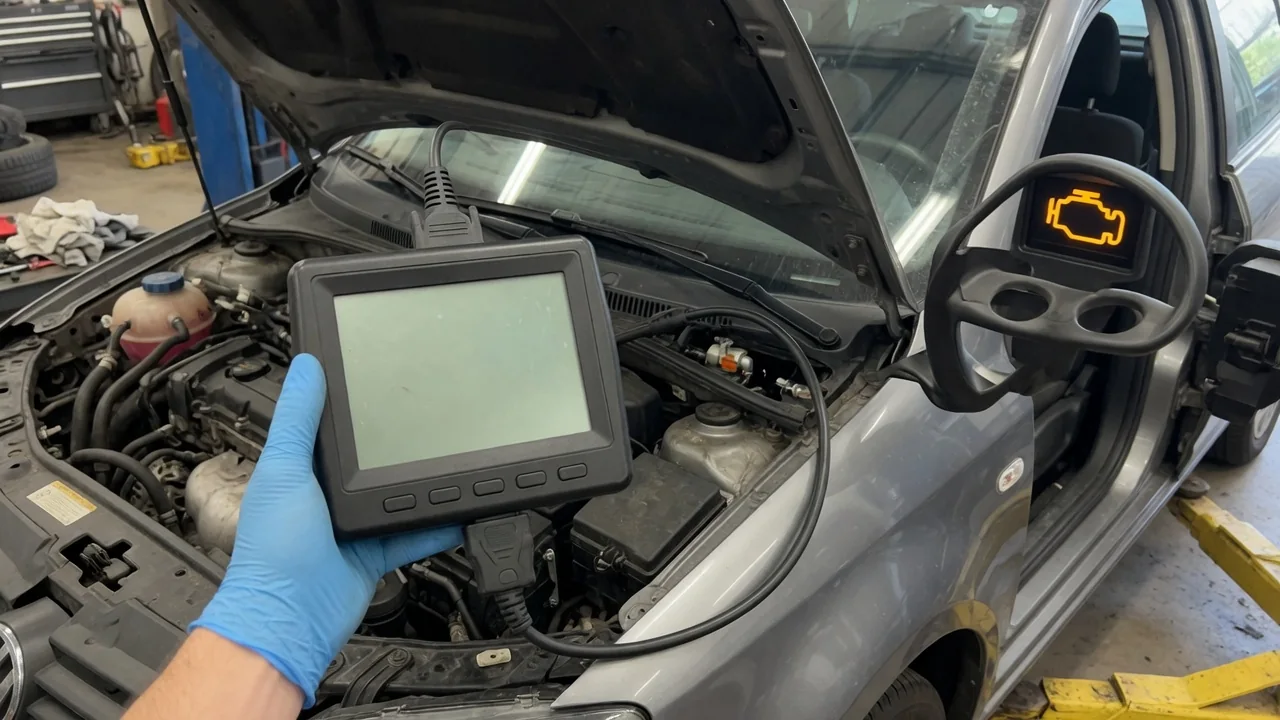
A P1446 code is not a one-size-fits-all failure. Because this diagnostic trouble code is manufacturer-specific, its meaning changes across makes, models, and years. One vehicle may flag an EVAP vent control issue, while another uses the same code for a different circuit entirely. You need to confirm the exact definition for your vehicle before chasing parts. Symptoms can range from an illuminated check engine light to refueling trouble or fuel odor, but the code alone never proves a failed component. Careful verification turns this code from a guess into a focused repair.
Verify What P1446 Means for Your Vehicle
P1446 does not carry a universal definition. While some automakers assign it to an evaporative emission system vent control circuit fault, others use the same identifier for unrelated systems such as a battery module or transmission sensor. The year, make, model, and engine calibration determine what the powertrain control module is actually reporting. A generic scanner may show only a short text label, but that plain-language description is often incomplete or misleading without consulting the manufacturer's service information for your exact vehicle.
If the verified meaning involves the EVAP vent control, the monitored condition also matters. Some implementations watch for an open or shorted circuit, while others detect a valve that is stuck closed or fails to seal. The vent valve normally opens to let fresh air enter the charcoal canister during purge, then closes to allow the system to hold vacuum during a leak test. When the module sees an unexpected electrical state or pressure response, it sets P1446. Only after confirming that definition can you meaningfully test the circuit, valve, and plumbing.
Symptoms to Note Alongside P1446
Depending on the confirmed code meaning, the check engine light may be the only obvious symptom. Many EVAP faults do not alter engine performance, fuel economy, or driveability because the system operates only during specific conditions such as cold start or light cruise. Some drivers notice nothing at all until an emissions inspection fails. The absence of drivability problems does not rule out a real fault, but it also does not confirm one. Recording any other behavior that appears around the same time helps a technician match the code to a root cause.
For a confirmed EVAP vent-control fault, note whether refueling causes the pump nozzle to click off prematurely or whether fuel odor appears near the rear of the vehicle after filling. These observations are useful clues, not proof that the vent valve, canister, or hoses have failed. Also track when any symptom happens—during starting, after refueling, or while driving—and whether other codes are stored. Strong fuel odor, visible leakage, stalling, or a flashing check engine light requires prompt professional attention. P1446 by itself does not indicate whether continued driving is safe.
Possible Fault Areas Depend on the Confirmed Definition
Possible fault areas flow directly from the manufacturer's diagnostic procedure, not from a generic list. If the confirmed definition concerns an EVAP vent control circuit, the cause may be an electrical fault such as an open or short in the wiring, a connector that has lost contact, or a failed control signal from the module. A separate mechanical path includes a vent valve that is stuck open or closed, a restricted vent line or filter, or contamination from dust, water, or fuel. Each category requires different tests, so the code alone cannot tell you which is at fault.
Wiring, connectors, and control signals are distinct from the valve's mechanical operation, even though they interact. A corroded connector can mimic a failed valve, and a broken wire can prevent the module from commanding the valve at all. Conversely, a mechanically stuck valve can pass an electrical continuity test and still set the code. That is why a thorough diagnostic checks the circuit and the component separately. Without those test results, replacing a vent valve, canister, or fuel cap is a guess, and P1446 never justifies a parts swap on its own.
Safe Observations and Professional Diagnostic Tests
Before clearing anything, save all codes, their status—current, pending, or history—and any freeze-frame data the scan tool can capture. Freeze-frame records the operating conditions when the fault was detected, such as engine temperature, vehicle speed, and fuel level. Those values often reveal whether the EVAP monitor was running at the time and narrow the diagnostic direction. Clearing the code first discards that evidence and forces the monitor to start over. The data belongs to your vehicle and is essential for an accurate diagnosis.
Owner-level checks should stay limited to recording symptoms, noting recent repairs or collision work, and looking for visible issues in readily accessible areas with the vehicle parked and engine off. For example, a loose fuel cap or an obviously damaged connector may be visible without removing shields. A technician can then move to vehicle-specific scan-tool commands that operate the vent valve, measure circuit resistance and voltage, and monitor the valve's commanded versus actual position. Where the confirmed EVAP definition warrants it, a professional smoke test can reveal a restriction or leak without applying pressure settings or bypassing any component.
Repair the Verified Fault and Confirm the Result
Repair choices must follow the test evidence, not the code text. If a wiring harness shows chafing or a connector has high resistance, correcting that circuit is the repair. If a verified restriction blocks the vent path, clearing or replacing the obstructed line or filter addresses the condition. A vent valve should be replaced only when it fails the manufacturer's specific operational test, such as not moving when commanded or not sealing when closed. Every part chosen must be confirmed against your vehicle's year, make, model, and engine using the applicable parts catalog or service information.
Clearing P1446 or disconnecting the battery does not repair anything and only erases the evidence. After the repair, verification should use the manufacturer's prescribed checks: re-running the scanner command that originally exposed the fault, confirming the code status transitions to history and then clears, and following the symptom conditions that first triggered the complaint. Where the emission monitor applies, completing its enable criteria allows the powertrain control module to run the test and confirm the vent valve operates correctly. Only that completed verification turns a code repair into a fixed system.