P1445 Code: Vehicle-Specific Meaning, Causes and Diagnosis
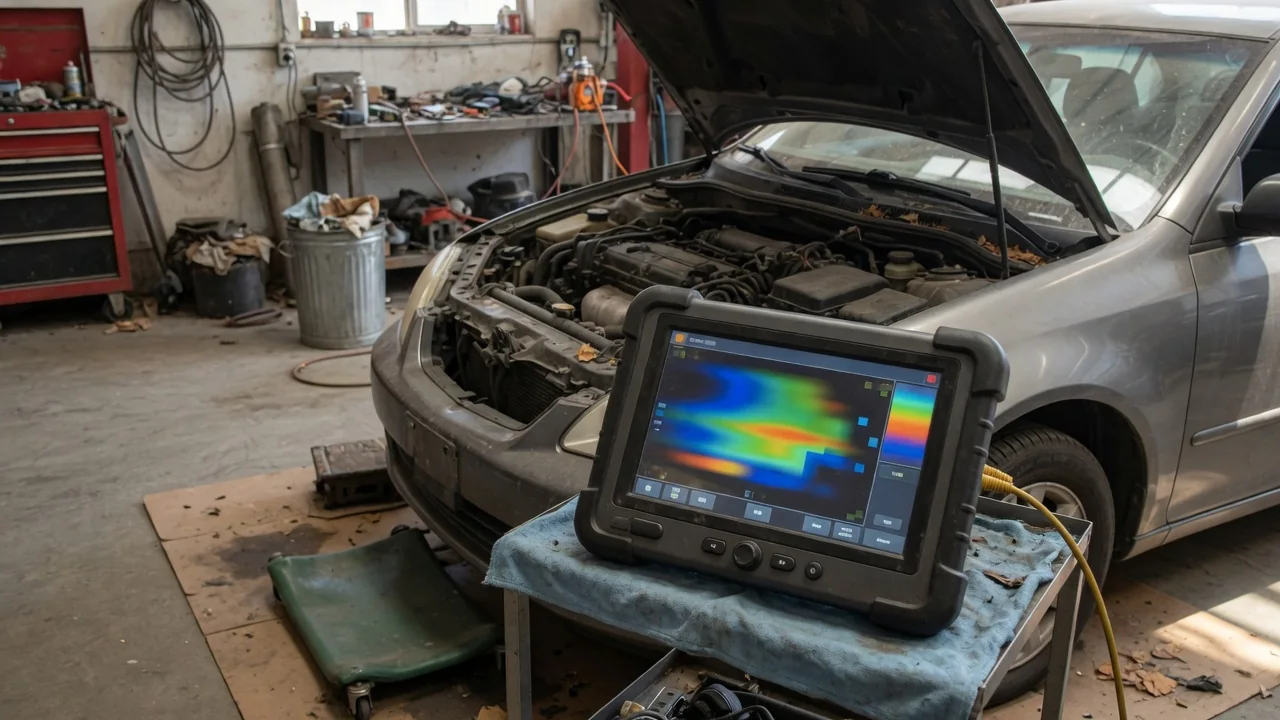
A P1445 code is a manufacturer-specific diagnostic trouble code, so its meaning is not the same on every vehicle. Before linking it to a system or repair, confirm the definition using the vehicle identification number, make, model, year, engine, and market in vehicle-specific service information. The check engine light and stored data are starting points for diagnosis, not proof that a named part has failed.
Verify What P1445 Means for Your Vehicle
P1445 is a manufacturer-specific trouble code rather than a universal definition shared across all brands. The same five-character diagnostic trouble code can describe different systems, fault conditions, or components depending on the vehicle. Establishing meaning starts with the make, model, year, engine, and intended market, then matching those details to the exact wording in vehicle-specific service information. Until that match is confirmed, the code should not be assigned to any particular system, component, or repair.
Generic scan-tool descriptions often shorten or generalize the factory wording, so the displayed text may omit application details or describe a system that does not exist on that vehicle. A handheld reader can still retrieve P1445, pending codes, and related information, but those labels are not a substitute for the factory definition. Unsupported make-specific meanings should stay unstated rather than assumed from another model year or market. Connecting the code to a component or repair path is valid only after the vehicle-specific definition is verified.
Symptoms and Warning Signs to Record
The check engine light may be the only obvious sign when a P1445 code is stored, and that warning by itself does not establish how severe the condition is. Some vehicles continue to start, idle, and drive with little change, while others show hesitation, reduced power, or irregular idle after the light appears. Record the first time the warning came on, whether it stays illuminated, flashes, or returns after a restart, and any change in starting, idle quality, throttle response, or overall vehicle operation around that moment.
Observed symptoms should be written down separately from guesses about the system named in the verified definition. A stored P1445 code is evidence that a monitor saw a condition outside its limits, not confirmation that a particular part has failed or that the drivability change came from that circuit. If smoke, a strong fuel odor, overheating, or a severe loss of power appears, stop in a safe location and seek assistance regardless of which diagnostic trouble code is stored. Those conditions take priority over interpreting the scan report.
Possible Causes After the Definition Is Confirmed
Once the factory definition is confirmed, possible causes should be organized around the system and fault condition that definition actually describes. Wiring, connectors, sensors, actuators, and mechanical faults become relevant only when that application's diagnostic procedure lists them as possible paths for the same P1445 code. Even when the description names a specific device, that wording does not prove the hardware has failed. The named item is a starting point for testing, not an automatic replacement decision.
Related codes and recent repair history can narrow the investigation without proving a cause. Companion diagnostic trouble codes stored at the same time, pending codes that have not matured, and freeze-frame data from the moment the check engine light set all help show operating conditions, but they still require interpretation. Work performed shortly before the first warning, including battery disconnection or incomplete repairs, can introduce new faults or leave monitors unfinished. None of that history replaces the vehicle-specific procedure for confirming why P1445 set.
Safe Checks Before a Diagnostic Appointment
Before any codes are cleared, save the complete scan report, including P1445 status, related and pending codes, and any freeze-frame data the tool captured. Freeze-frame snapshots record engine speed, load, temperature, and similar conditions at the moment the monitor failed, which can be lost if memory is erased. Gather the vehicle identification number along with make, model, year, engine, and market so the shop can open the correct service information. Note recent repairs, battery work, or other events near the first warning.
Owner checks should stay limited to dashboard messages, operating symptoms, and damage that is readily visible with the vehicle safely parked and switched off. Look for obvious leaks, damaged wiring that can be seen without moving components, or additional warning messages that appeared with the check engine light. Do not disconnect lines, probe electrical circuits, command actuators with a scan tool, or work around hot, pressurized, or energized systems. Those steps belong in a controlled diagnostic procedure after the P1445 definition is confirmed.
How Professional Testing Identifies the Needed Repair
Professional diagnosis of a P1445 code begins with the verified factory definition and the manufacturer's procedure written for that exact vehicle, not a generic flowchart copied from another application. Technicians then review related diagnostic trouble codes, pending codes, and freeze-frame data to see the operating conditions when the monitor failed. Relevant live data for the confirmed system, such as sensor readings, actuator status, or system integrity values specified in the procedure, helps separate an intermittent condition from a fault that is present now.
Electrical, functional, or system integrity testing is performed only where the confirmed definition and the vehicle-specific procedure call for it. That may include checking circuit continuity, connector condition, commanded versus actual actuator response, or mechanical sealing of the identified system, always using the factory limits for that application. Parts, wiring repair, or another corrective action should be recommended only after those tests produce evidence that a particular path is at fault. A component named in the P1445 description is not a substitute for that evidence.
Confirming the Repair and Handling a Returning Code
There is no universal P1445 fix because the correct repair depends on the cause confirmed for that vehicle. Clearing the stored diagnostic trouble code only removes the record from memory; it does not correct the condition that set the monitor. Repair verification uses the checks specified for the confirmed fault, then confirms that P1445 is no longer present as a current or pending code. The relevant monitor must also complete under the vehicle-specific enabling conditions so the control module can retest the system.
If the P1445 code returns after a repair or after a simple erase, treat the new scan data as a fresh diagnostic set rather than a reason to replace the next part on a list. Compare the returning freeze-frame data, related codes, and live readings with the original findings to see whether the same condition is still present or a different fault has appeared. Incomplete monitor completion, an unresolved wiring issue, or an intermittent connection can bring the check engine light back without proving a second failed component.