P1444 Code: Meaning, Causes and Fixes
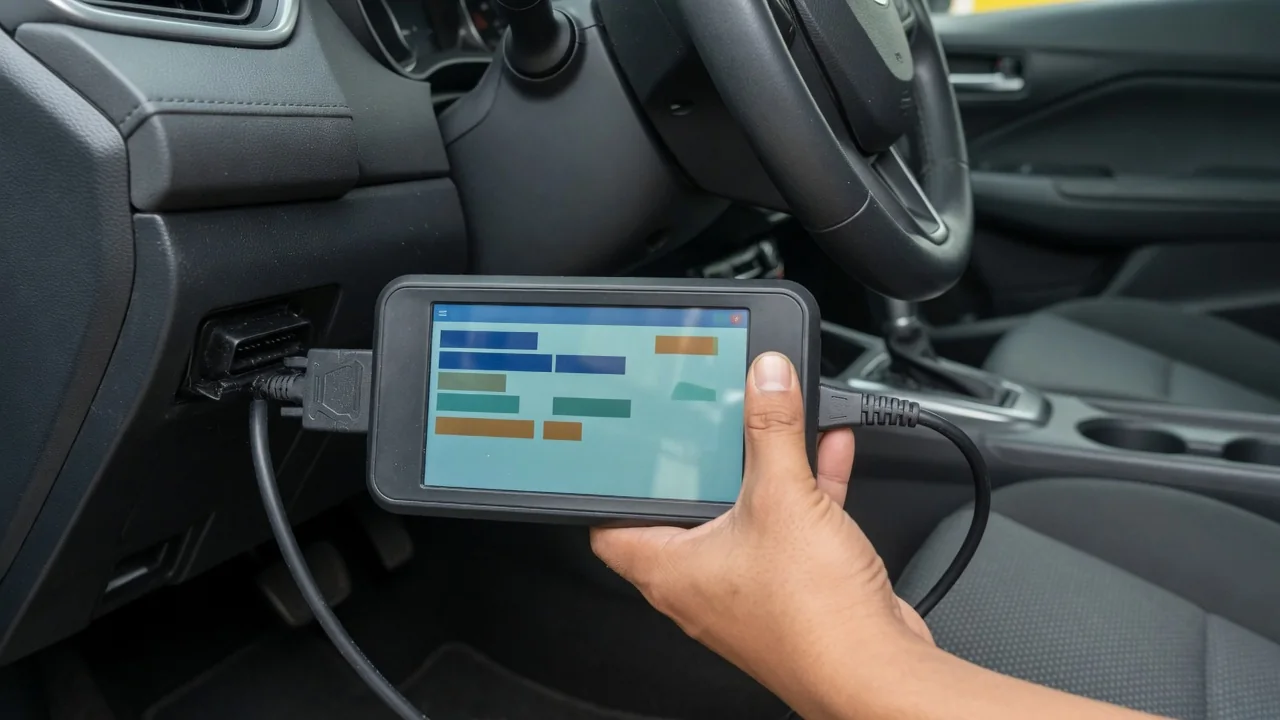
The P1444 code is a manufacturer-specific diagnostic trouble code, meaning its definition varies by vehicle make and model. This code can point to different systems depending on the automaker, so a generic lookup may mislead you. Understanding what P1444 means for your specific vehicle is the first step toward an accurate repair. The check engine light may be the only symptom, but the underlying issue could affect emissions, fuel vapor control, or engine performance. Confirming the exact definition through reliable service information is essential before diagnosing further.
What P1444 Means and Why the Definition Depends on the Manufacturer
P1xxx codes are part of the OBD-II standard reserved for manufacturer-specific use. Unlike generic powertrain codes that have the same meaning across all brands, P1444 can indicate different faults depending on the vehicle. For one make, it may relate to an evaporative emission system purge flow issue; for another, it could point to a secondary air injection circuit. The exact meaning is only valid when paired with the year, make, model, and engine. Without that context, any assumption about the code's definition is speculative and may send you down the wrong diagnostic path.
To avoid misdiagnosis, confirm the code's definition through a repair manual, dealer service information, or a scan tool that displays enhanced manufacturer definitions. Generic online code libraries often present one interpretation without specifying the vehicle application, which can be dangerously misleading. Once you have the confirmed meaning, you will know which circuit or system to inspect. For example, if the code is defined as a purge control valve circuit malfunction, your focus should be on that valve, its wiring, and connector, not on unrelated components. Always start with the vehicle-specific definition before touching any parts.
Common Symptoms Drivers May Notice With a P1444 Code
The most common symptom of a P1444 code is the illumination of the check engine light. In many cases, this is the only noticeable sign, especially if the fault is electrical and intermittent. However, because the code's system varies by manufacturer, other symptoms may appear. A vehicle with an evaporative emissions issue might have a fuel odor or difficulty filling the tank. If the code relates to a secondary air system, you might hear unusual noises during cold starts. The presence or absence of drivability problems depends entirely on the system tied to the code.
Pay attention to the conditions when the light came on. Note the driving situation, such as cold start, highway cruise, or after refueling. Recent work like battery replacement or repairs near the engine bay can trigger codes if connectors were disturbed. Freeze-frame data can provide valuable clues about engine temperature, speed, and load when the fault was detected. However, symptoms alone cannot confirm the root cause. Only a systematic diagnosis based on the confirmed definition and supporting data will lead to an accurate fix.
Possible Causes to Consider Once the Definition Is Confirmed
Once the manufacturer definition is confirmed, you can evaluate possible causes. Circuit-related codes frequently stem from wiring issues, such as chafed insulation, broken wires, or corrosion in connectors. A loose or contaminated connector can cause intermittent high resistance, setting a circuit code. The sensor or actuator itself may have failed internally, but that should be proven through testing, not assumed. Control module input problems, such as a bad ground or voltage supply, can also mimic a component failure. Reviewing the entire circuit is necessary before condemning any part.
Other stored codes may be related to the P1444. For example, a communication code or a voltage code could point to a shared power or ground issue affecting multiple systems. Addressing only the P1444 without considering these related codes may result in an incomplete repair. Do not rely on generic internet guesses that claim a specific part is always at fault. Manufacturer-specific codes require manufacturer-specific test procedures. Without verified failure data for your exact application, avoid replacing parts on speculation.
Safe Checks You Can Do Before Visiting a Shop
Start with a scan tool to read all stored and pending codes. Record the P1444 along with any other codes and freeze-frame data. This information captures the conditions at the moment the fault was detected, such as engine temperature and vehicle speed. A pending code may indicate an intermittent issue that has not yet matured into a stored fault. Clearing codes without diagnosis erases this evidence and may also reset readiness monitors, making an emissions test impossible until drive cycles complete. Always save the data before clearing anything.
With the engine off and cool, perform a visual inspection of the relevant area. Look for disconnected, chafed, or pinched wiring harnesses. Check connectors for corrosion, bent pins, or poor seating. If the code relates to an emissions component, inspect vacuum hoses for cracks or disconnections. Also, check for technical service bulletins using your VIN through official dealer or manufacturer websites. A bulletin may describe a known issue and the recommended repair, saving diagnostic time. Never attempt to repair or test components near fuel or ignition systems without proper training.
When Professional Diagnosis Is Needed
Professional diagnosis is necessary when the code requires circuit testing beyond basic visual checks. Technicians use wiring diagrams, multimeters, and scan tool bidirectional controls to activate components and monitor response. These tests can distinguish between a wiring fault, a failed sensor, or a control module problem. If the code returns after a previous repair, or if multiple codes are present, the interaction between systems may be complex. Drivability symptoms like stalling, rough idle, or fuel smell add urgency. A professional can interpret the data accurately using manufacturer-specific procedures.
Safety is paramount. Do not probe live circuits unless you are trained in automotive electrical diagnosis. Never bypass a fuse or jumper a component to force it on, as this can damage the control module or cause a fire. If the code relates to the fuel system, avoid working near fuel lines or the fuel tank without proper precautions. When you take the vehicle to a shop, provide the technician with all scan data, a description of symptoms, and any recent repairs. This information helps the technician start from a known point and may reduce diagnostic time.
Can You Keep Driving With P1444 and What It Means for Emissions Testing
Whether you can keep driving with a P1444 code depends on the confirmed definition and any accompanying symptoms. If the code is for an evaporative emissions leak and the vehicle runs normally, short-term driving may be acceptable, but an emissions system fault can worsen. If you smell fuel, see a flashing check engine light, or experience poor drivability, stop driving and have the vehicle inspected immediately. A flashing light often indicates a misfire that could damage the catalytic converter. Ignoring a fuel smell can be a fire hazard.
An active check engine light will cause a failed emissions inspection in many regions. Even if the light is cleared, incomplete readiness monitors can also trigger a failure. Monitors need specific drive cycles to run to completion. Repeatedly clearing the code without repairing the underlying issue only postpones the inevitable and may make diagnosis harder because the fault data is lost. Fixing the root cause is the only way to turn off the light permanently and restore readiness. Proper repair ensures the vehicle meets emissions standards and runs reliably.