P1443 Code: Vehicle-Specific Meaning, Symptoms and Repairs
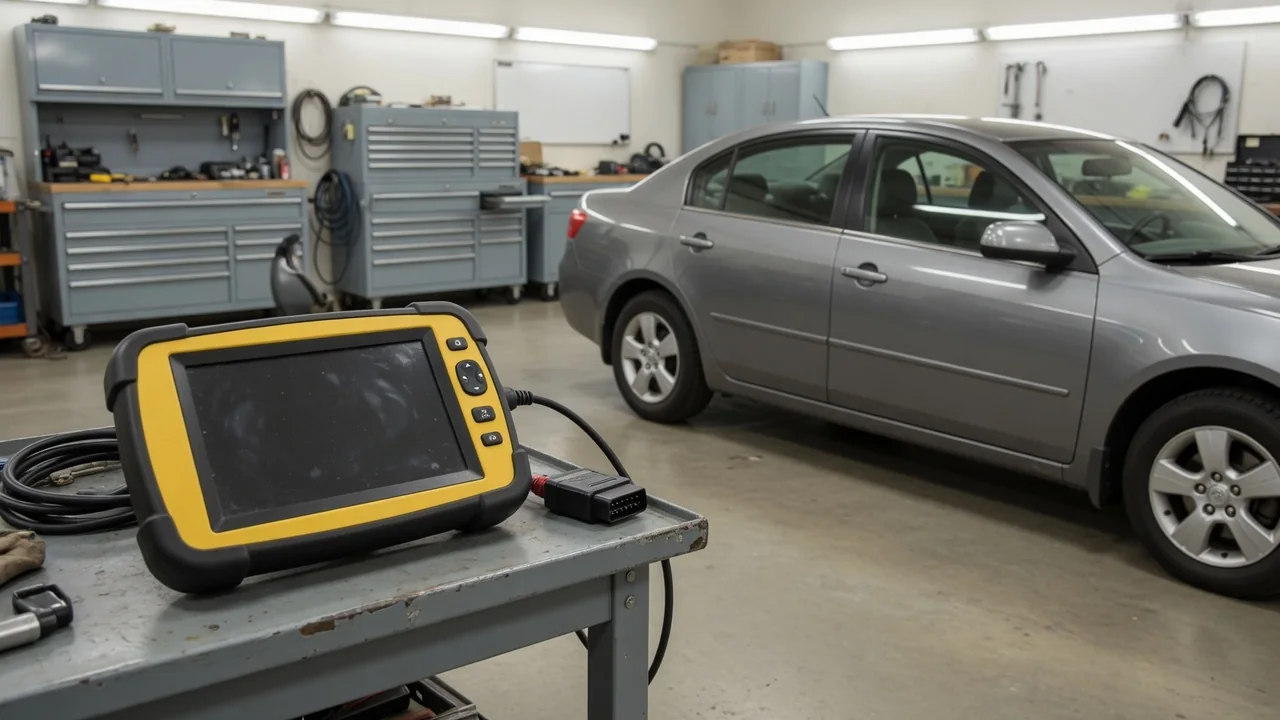
The P1443 code is a manufacturer-specific trouble code, so its meaning is not the same on every vehicle. Before treating it as an evaporative emissions system problem or any other system fault, confirm the definition for the exact make, model, year, and engine using the vehicle identification number and the matching service information. A check engine light, pending codes, and freeze-frame data help frame the diagnosis, but they do not identify a failed part on their own.
Verify the P1443 Definition for Your Vehicle
P1443 must be interpreted with the vehicle in front of you, not from a generic code list. Make, model, year, engine family, and the applicable service information decide what the control module is reporting. Until that definition is verified, it is not reasonable to name an affected system or to assume a particular repair path. Some applications associate P1443 with evaporative emissions control, yet that association is not a universal definition and should not be applied to every scan result.
The vehicle identification number is the practical way to match the correct service information and avoid mixing definitions from similar looking vehicles. Manufacturer-dependent meanings belong in the diagnosis only when that application-specific information supports them. A scanner description can be a useful starting point, but wording can vary by tool and software, so it still needs confirmation against the factory description. Treating an unverified P1443 definition as fact can send testing toward the wrong circuit, valve, or emissions path.
Symptoms Drivers May Notice With P1443
A check engine light may be the only P1443 symptom a driver notices, and uneventful driving does not prove the fault is minor. The light can appear with pending codes first and then remain after the code stores, while freeze-frame data captures the conditions present at the time. Rough idle, hard starting, or a fuel odor are possible observations only when they match the verified application; they are not expected on every vehicle that sets this code.
Symptoms also cannot identify a failed component by themselves, because another stored or pending code, a fueling issue, or an unrelated running problem can produce the same complaints. Recording when the warning appeared, whether it followed refueling, and how starting or idle behavior changed gives a technician useful context. Those notes should come from ordinary use rather than from attempts to recreate vapor leaks, stalling, or other unsafe conditions. The P1443 symptoms that matter most are the ones that actually occurred on this vehicle.
Possible Causes Depend on the Confirmed Fault
Possible causes of a P1443 code follow the confirmed definition and the conditions that actually trigger it, not a one-size-fits-all parts list. After the application is identified, diagnostic testing should stay inside the system that definition describes and the operating window captured in freeze-frame data. On vehicles where P1443 is confirmed as an evaporative emissions system concern, a hose, restricted flow path, valve, sensor, or electrical fault can be considered only if that vehicle's vapor control design actually includes those elements.
A component named in the code description may only be the reporter, not the failed part. Wiring, sealing, commanded flow, or another device in the same circuit can set the same P1443 result. That is why a fuel cap, purge valve, or similar part should not be treated as the automatic fix, and why failure probabilities are not useful without vehicle-specific testing. Repair decisions belong after the confirmed fault is demonstrated, not after matching a familiar phrase on a scan tool.
Safe Observations to Record Before Service
Before anything is cleared, record the exact P1443 code, the scanner's description, any other stored or pending codes, and available freeze-frame data. Those details preserve the conditions the control module used when it made the decision. Recent maintenance, a refueling event, and changes in starting or idle behavior belong in the same notes because they can point a technician toward the verified system rather than toward a guess. Clearing information early can erase the only snapshot that explains when the fault set.
Owner checks should stay limited to accessible visual observations with the vehicle parked and the engine off. Fuel and vapor connections should be left undisturbed because opening them can create a leak, a fire hazard, or a new diagnostic puzzle. Torn insulation, an obviously displaced connector, or damaged routing is a clue that still needs confirmation during professional testing. A normal appearance does not rule out an intermittent electrical fault, an internal valve problem, or a condition that only appears under the original freeze-frame conditions.
How Professional Testing Guides the Repair
A technician starts with the application-specific diagnostic procedure and reviews related stored or pending codes before choosing tests. That order keeps work aligned with the verified P1443 definition instead of with a generic evaporative emissions system checklist. Checking wiring integrity, live data, commanded component operation, and relevant flow or pressure behavior shows whether the reported condition is present now. When the confirmed fault is EVAP-related, professional leak testing can be one diagnostic option; it is not required for every P1443 case.
Repairs should follow a demonstrated fault, because replacing a suspected part or simply clearing the code does not confirm that the original condition is gone. After the repair, verification uses the applicable service procedure, watches for returning codes, and checks monitor status rather than assuming every vehicle shares the same drive cycle. Repair verification is complete only when the same enabling conditions no longer reproduce the fault. That disciplined closeout is what separates a lasting fix from a temporarily dark check engine light.
When P1443 Needs Prompt Attention
Seeing P1443 on a scan tool cannot establish whether continued driving is appropriate; the verified meaning and the actual symptoms decide urgency. A flashing check engine light, stalling, or severe running problems are reasons to stop safely and seek assistance rather than to keep driving for more clues. Strong fuel odor or visible fuel leakage calls for not restarting the vehicle, keeping ignition sources away, and arranging professional help. Those conditions can exist with or without a stored evaporative emissions system description.
A steady warning light with no concerning drivability change still deserves timely diagnosis, following the vehicle owner's manual rather than waiting for the light to solve itself. Diagnostic testing remains the way to learn whether the stored P1443 condition is emissions-related, electrical, or something else. Clearing codes can erase useful freeze-frame data and pending codes and can reset emissions readiness without correcting the fault. Keeping the original evidence until a technician can use it is part of getting the right repair, not an optional extra.