P1442 Code: Meaning by Make, Symptoms, Causes and Diagnosis
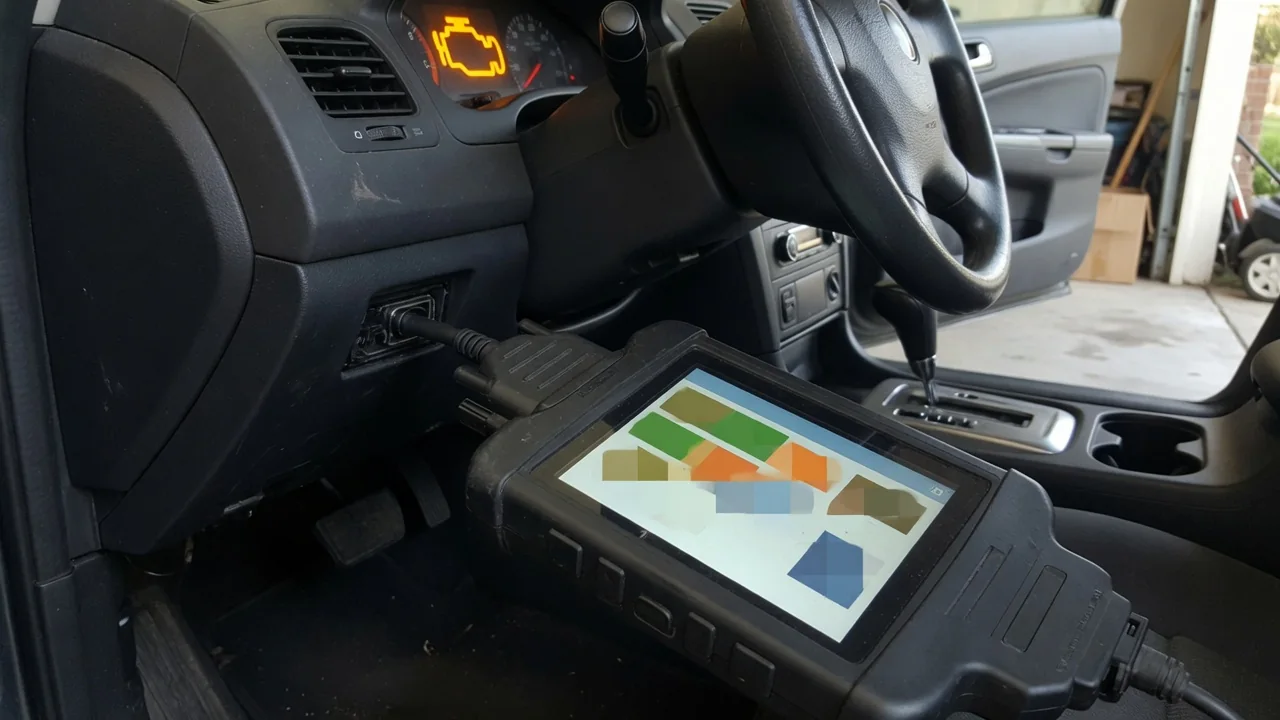
The P1442 code is a manufacturer-specific diagnostic trouble code, meaning its definition can differ depending on the make, model, and year of your vehicle. Unlike generic OBD-II codes, P1xxx codes are assigned by automakers for systems unique to their designs. Often related to the evaporative emission (EVAP) system, P1442 can trigger a check engine light and affect emissions readiness. Understanding its exact meaning for your vehicle is essential before attempting repairs.
What the P1442 Code Means and Why It Varies by Manufacturer
Since P1442 is a manufacturer-specific code, it does not have a single universal meaning across all vehicles. For example, on some makes it may refer to an EVAP system leak or a purge valve issue, while on others it could indicate a completely different fault. This variability makes it critical to avoid assuming the definition from one brand applies to another. Always verify the exact interpretation for your specific vehicle to prevent misdiagnosis and unnecessary parts replacement.
The EVAP system, which prevents fuel vapors from escaping into the atmosphere, is a common area linked to P1442 on certain vehicles. Components like the fuel cap, purge valve, vent valve, and associated hoses may be involved. However, without confirming the manufacturer's definition, you cannot be certain that P1442 relates to the EVAP system at all. Therefore, treat any online definition as a possibility rather than a confirmed diagnosis for your car.
How to Look Up the Correct P1442 Definition for Your Vehicle
To determine the correct definition for your vehicle, start by recording the full code, its status (pending, confirmed, or permanent), and any freeze-frame data before clearing anything. Freeze-frame data captures operating conditions at the time the code was set, which can be invaluable for diagnosis. A basic generic code reader may only display the code number without manufacturer-specific details, while an enhanced scan tool can provide the exact description for your make and model.
Consulting factory service information or the owner's manual can also clarify the code's meaning. Additionally, a dealership can look up technical service bulletins by VIN that may address known issues related to P1442 for your vehicle. Other stored diagnostic trouble codes should be reviewed as well, because they can help pinpoint which system P1442 refers to when combined with the manufacturer's data.
Symptoms Drivers May Notice With P1442
In many cases, the only noticeable symptom of a P1442 code is an illuminated check engine light. Since the code is often emissions-related, there may be no change in drivability, fuel economy, or performance. However, depending on the vehicle and the specific fault, you might observe a fuel smell near the car or trouble refueling, such as the pump nozzle clicking off repeatedly. A loose or damaged fuel cap can also be a visual clue.
The absence of drivability symptoms does not mean the problem can be ignored. Even if the vehicle runs normally, an unresolved code can cause a failed emissions or inspection test where such testing is required. Furthermore, the underlying issue could worsen over time, leading to more serious problems. Paying attention to any associated observations can help a technician narrow down the cause quickly.
Possible Causes Behind a P1442 Code
Possible causes for a P1442 code should be considered as potential areas to investigate based on the confirmed definition for your vehicle. When the code is EVAP-related on that make, common categories include fuel cap sealing problems, cracked or disconnected vapor hoses, faulty purge or vent valves, and sensor or wiring issues. For example, a worn fuel cap gasket can allow vapor to escape, triggering the code.
Electrical issues are also possible, such as damaged connectors, corroded terminals, or chafed wiring in the EVAP system circuit. These problems can cause intermittent faults that are difficult to reproduce. Avoid assuming how often any single cause occurs, as that varies by vehicle and driving conditions. No specific part numbers should be guessed without confirming the exact definition and testing the related components.
Safe Checks You Can Do Before Visiting a Shop
Before visiting a shop, you can perform low-risk visual checks. Ensure the fuel cap is present, seated properly, and has an intact seal. Look for obviously disconnected or damaged hoses and connectors in easily visible areas with the engine off and cool. Do not take anything apart, as this can introduce new problems. These simple inspections may reveal an obvious issue such as a loose cap or a cracked vacuum line.
Clearing the code and watching whether it returns can provide information, but be aware that clearing also erases freeze-frame data and resets readiness monitors. This may delay emissions testing and hide helpful diagnostic data. Fuel vapor and fuel system parts are a fire hazard, so never open fuel lines, use open flames, or improvise smoke or pressure tests at home. If basic checks do not resolve the issue, professional help is recommended.
How Professionals Diagnose P1442
Professional diagnosis begins by confirming the manufacturer-specific definition of P1442 and reviewing freeze-frame data and readiness monitor status. Technicians may use an enhanced scan tool to perform command tests, such as cycling the purge or vent valve to verify operation. For suspected leaks, an EVAP smoke test can introduce smoke into the system to visually pinpoint the source of a vapor leak without damaging components.
Properly fixing the code means finding the root cause instead of replacing parts one after another. Electrical circuit checks may be needed to test wiring, connectors, and sensors. Once a repair is made, the technician will run the related monitor to confirm it passes, which may require several drive cycles. This process ensures the problem is truly resolved and the check engine light will stay off.
Is It Safe to Drive With P1442 and When to Get Help
Whether it is safe to drive with P1442 depends on the confirmed meaning and the severity of associated symptoms. Emissions-related faults are often less urgent than engine or safety faults but still need attention to avoid further damage or inspection failures. However, if you notice a strong fuel smell, a visible fuel leak, a flashing check engine light, or noticeable drivability problems, stop driving immediately and seek professional help.
Leaving the code unresolved can hide new faults because the check engine light is already on, masking other potential issues. If the code returns after basic checks or if you cannot determine the correct definition for your vehicle, professional testing is the safest course. An accurate diagnosis will save time and money by preventing unnecessary repairs.