P1433 Code: Meaning by Make, Symptoms, Causes and Diagnostic Checks
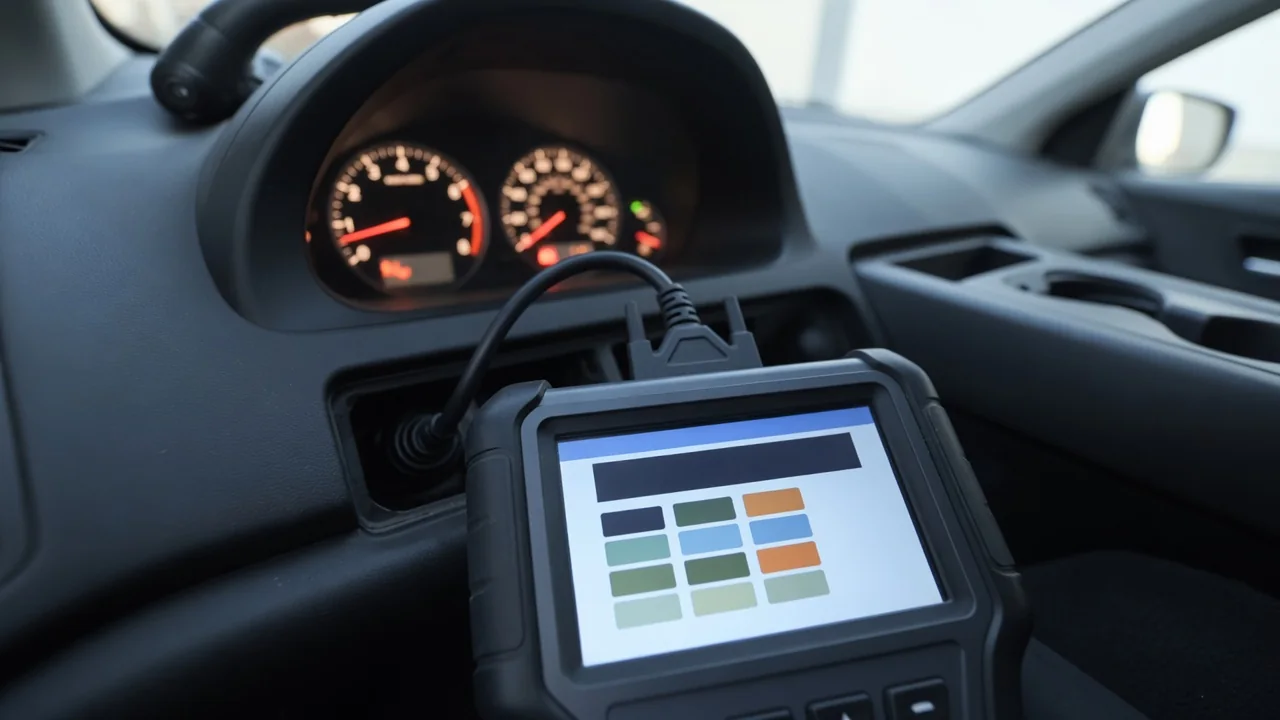
A P1433 trouble code can mean very different things depending on the vehicle. Because it falls in the manufacturer-specific powertrain range, the same code number may point to an evaporative emission leak on one make and an A/C compressor issue on another. Understanding the exact definition for your car is the first step before symptoms, causes, or repairs are considered.
What P1433 Means and Why the Definition Depends on Your Vehicle
P1433 is a manufacturer-specific powertrain code in the P1xxx range, which automakers reserve for systems they define individually. Unlike generic P0xxx codes set by an industry standard, P1xxx codes do not have one universal meaning across all vehicles. For example, a P1433 on a Ford may relate to the evaporative emission system, while on a GM it could concern the A/C refrigerant pressure sensor. The exact system, component, or circuit the code monitors depends on how that manufacturer programmed its powertrain control module.
Because of this variability, drivers should confirm the precise definition using a scan tool that shows the full manufacturer description, a factory service manual, or a dealer source. An enhanced or manufacturer-level scanner often displays a more specific phrase than a generic code reader, which might only show the code number without context. Relying on a definition copied from a different make or model can lead to misdiagnosis, since the same P1433 number may refer to unrelated systems. Always match the code to the exact vehicle before interpreting its meaning.
How to Read the Code Correctly Before Drawing Conclusions
Before drawing conclusions, record the full code list along with freeze frame data. Freeze frame captures engine conditions like temperature, speed, and fuel trim at the moment the code set, which can reveal whether the fault occurred during warm-up, acceleration, or idle. Note whether the code is current, pending, or stored history: a pending code means the condition happened once but the monitor has not completed retesting, while a stored code indicates a past event. This information helps determine if the fault is active or intermittent.
Review any other codes set at the same time, because they often point to a related system. For instance, a P1433 defined as an EVAP leak may appear with a P0455 gross leak code, narrowing the search. Also record when the check engine light came on and the driving conditions then—cold start, highway cruise, or after refueling. Clearing codes without saving this data removes useful diagnostic lead, forcing the technician to wait for the fault to recur without a starting record.
Symptoms Drivers May Notice With P1433
Symptoms depend entirely on the system the code refers to on a given vehicle, so drivers should match any observed behavior to the verified definition. Common signs include an illuminated check engine light or a related warning indicator on the dash. Depending on the system, one might notice changes in drivability such as rough idle, hesitation, or reduced performance, or a comfort or convenience feature not working as expected—for example, A/C blowing warm. However, no single symptom appears on every vehicle with this code.
In many cases a vehicle may show no noticeable symptoms beyond the stored code itself, especially if the fault is intermittent or affects a monitor that does not directly control engine operation. But some symptoms indicate the vehicle should not be driven further. Severe warning messages, engine overheating, burning smells, or sudden loss of power require pulling over safely and shutting off the engine. Continuing to drive under these conditions can cause mechanical damage or a safety hazard.
Possible Causes Behind a P1433 Code
Possible causes for a P1433 code depend on the manufacturer’s definition and should only be narrowed down after that definition is confirmed. General cause categories apply to many electronically monitored systems: wiring or connector faults, a failing sensor or actuator, a blown fuse or faulty relay, or a control module problem. For example, if the code relates to the A/C system, a damaged pressure sensor or an open circuit in its wiring harness could set the code. If it relates to an emission control valve, a stuck valve or faulty solenoid is plausible.
Low battery voltage or recent electrical work can also trigger unexpected codes because sensitive circuits may not get proper reference voltage. Replacing a battery, jump-starting, or disconnecting harnesses can interrupt communication and leave a code stored. Avoid ranking causes by how often they occur, since no reliable prevalence data exists for this manufacturer-specific code. The verified definition and freeze frame data are more useful for determining which category fits the particular failure than any generic likelihood list.
Safe Checks You Can Do at Home
Some safe checks can be done at home without special tools or risk. Begin with battery condition: with the engine off, measure voltage across the terminals using a basic voltmeter. A healthy battery at rest should read around 12.6 volts; significantly lower may cause various electrical codes. Also watch for charging system warnings on the dashboard when the engine runs. However, if the P1433 definition points to a component far from the battery, this check may be irrelevant—confirm the definition first.
Inspect accessible wiring and connectors near the affected system only with the engine off and cooled down. Look for damaged insulation, corrosion, or loose connectors that could interrupt a sensor circuit. Without removing components, check for loose, cracked, or missing parts such as vacuum lines or electrical plugs within visual reach. After any visual check, note whether the code returns after a normal drive cycle rather than clearing it repeatedly. Above all, never probe live circuits, disassemble fuel system parts, or touch high-voltage hybrid components.
When Professional Diagnosis Is Needed
Professional diagnosis is needed when basic checks don’t reveal an obvious cause, because pinpoint tests, circuit measurements, and module checks usually require service information and specialized equipment. A technician can access wiring diagrams, test sensor references, and command actuators to isolate the fault. If the vehicle is a hybrid or electric model, high-voltage systems pose serious danger; leave all diagnosis to a qualified shop with proper training and insulated tools.
When you bring the vehicle in, share the full code description from your scan tool, freeze frame data, symptoms, and any recent repairs or electrical work. This gives the technician a faster starting point. Also suggest asking whether a technical service bulletin or software update applies to your specific make and model, without assuming one exists for every vehicle. A bulletin may describe a known issue that causes this code and a factory-approved repair procedure.
Fixing P1433 and Confirming the Repair
The correct fix depends on the verified cause and the vehicle-specific definition, not on replacing parts by guesswork. Once diagnosis identifies the fault, the repair may involve repairing a damaged wire, replacing a failed sensor or actuator, or updating the powertrain control module software according to manufacturer procedures. For example, if a connector is corroded, cleaning and sealing it might solve the problem; if a component failed, replacement with a quality part is needed. Avoid shotgunning parts without evidence.
After the repair, confirm the fix by clearing the codes, completing a full drive cycle, and rechecking for returning codes or pending codes. A drive cycle is a specific sequence of driving conditions that lets the onboard monitors run; the exact pattern varies by manufacturer. If the code does not return and no pending code appears, the repair is likely successful. Repair costs vary widely by vehicle, cause, and local labor rates, so avoid quoting specific prices or using universal estimates.