P1427 Code: Meaning by Make, Symptoms, Causes and Diagnosis
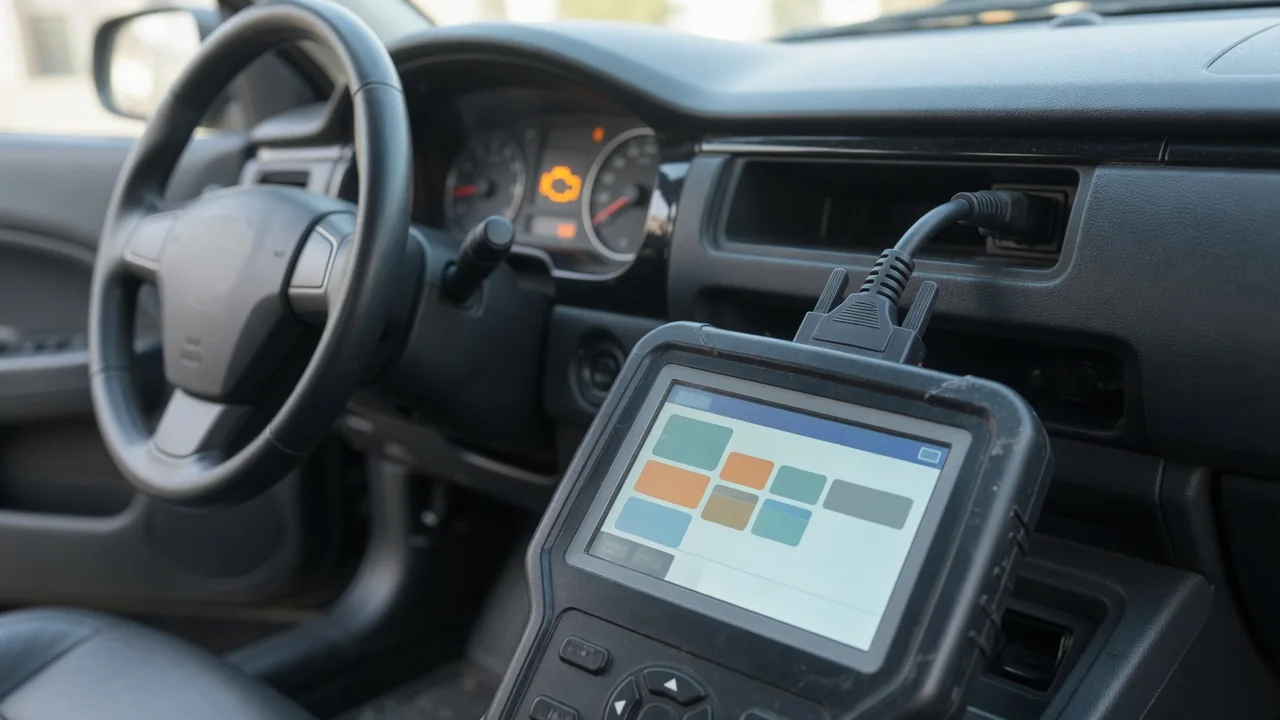
When the P1427 diagnostic trouble code appears, the check engine light signals a fault that does not share one universal meaning. Because P1xxx codes are manufacturer-controlled, the same number can point to different systems depending on the make, model, and engine. Reading the code with an OBD-II scan tool is only the first step; confirming the exact definition for your vehicle prevents misdiagnosis. This article explains what P1427 means by manufacturer, its symptoms, causes, and a sensible diagnosis path.
What the P1427 Code Is and Why Its Meaning Depends on the Manufacturer
P1427 belongs to a family of manufacturer-specific trouble codes, meaning the vehicle maker defines its meaning rather than a single industry standard. On one brand the code may relate to a secondary air injection system pressure sensor, while on another it could describe an evaporative emission leak detection pump circuit. Even different engines within the same make can assign unique interpretations, so the code text on a generic OBD-II scan tool may be incomplete or misleading. Without the approved manufacturer data, any guess about the fault risks leading to the wrong component.
To confirm what P1427 means for your car, use a professional scan tool that supports enhanced manufacturer data. Factory service information or a dealer-level diagnostic system gives the exact definition and often includes related troubleshooting steps. A qualified independent shop with the right software can also read the manufacturer-specific description. Relying on an online forum or generic code list is unsafe because a definition that is true for one brand may be completely unrelated to another. Always verify the definition against the exact make, model, year, and engine before interpreting the code.
How to Read the P1427 Code Properly Before Diagnosing
A stored P1427 code has been confirmed by the powertrain control module at least once, but the fault may not be present now. A pending code means the condition was detected during a current or recent drive cycle but has not yet matured into a confirmed fault. History codes indicate past events that are no longer active, often retained after repairs. Knowing the status changes the urgency and diagnostic direction. For example, a pending code may clear on its own if the condition was temporary, while a stored code that returns after clearing usually points to an ongoing problem.
Before clearing anything, record the freeze frame data captured when P1427 set. This snapshot typically includes engine coolant temperature, vehicle speed, engine load, and fuel trim values. These clues show the operating conditions present at the moment of the fault. Also note any other trouble codes stored alongside P1427; related codes can reveal a shared circuit issue or a common sensor ground problem. Clearing codes erases this evidence permanently, so write down or photograph the data and code list first. Without that information, a later intermittent fault becomes much harder to diagnose.
Symptoms Drivers May Notice With P1427
Drivers may notice different symptoms depending on the vehicle-specific definition of P1427. Some cars show only an illuminated check engine light with no change in driving behavior. Others may experience a rough or wandering idle, hesitation during acceleration, or a drop in power under load. Fuel economy can worsen if the fault affects a system involved in air-fuel ratio control or evaporative emissions. Because the code can relate to a wide range of components, the list of possible driver observations is broad. Pay attention to any change that occurred around the same time the light appeared.
A flashing check engine light indicates a severe misfire or catalyst-damaging condition and requires immediate attention; do not continue driving normally. Severe drivability problems such as stalling, backfiring, or loss of power also call for limiting vehicle use and seeking prompt professional help. However, a lack of noticeable symptoms does not mean the underlying fault is minor. Many emission-related faults produce no change in how the vehicle feels but can cause long-term damage or fail an emissions test. Treat the code as a request for diagnosis, not an optional warning.
Possible Causes Once the Definition Is Confirmed
Once the manufacturer definition is confirmed, P1427 typically falls into one of several general categories. The code may describe a sensor circuit fault, such as an open, short, or out-of-range signal from a pressure, temperature, position, or flow sensor. It could also indicate a performance problem with an actuator like a solenoid, pump, or valve that does not respond as expected. System monitor faults often flag a reading that deviates from the expected range during a self-test. Wiring and connector issues within the relevant circuit are common on many vehicles, especially in areas exposed to heat or corrosion.
The presence of P1427 does not automatically mean a specific part has failed. The code identifies a detected condition, not a proven component defect. A broken wire, poor connection, vacuum leak, or control module software glitch can produce the same code as a bad sensor. That is why parts replacement without testing often fails to fix the problem. Manufacturers sometimes release technical service bulletins describing known faults that set a particular code, and a software update may resolve it. Always confirm the exact definition and test before condemning any component.
Safe Checks You Can Do and the Limits of DIY Inference
With the engine off and cool, you can perform low-risk visual checks on the relevant system once the definition is known. Look for obviously damaged, loose, disconnected, or corroded connectors and wiring near the sensor or actuator described by the code. Rodent damage, melted insulation, or bent pins are visible clues. Check that any vacuum hoses related to the system are connected and not cracked or collapsed. Also consider recent repairs, accessory installations, or battery work; a connector left unplugged or a ground wire loosened during service can trigger a manufacturer-specific code.
Avoid swapping parts based only on the code number. A new sensor may not fix the fault if the real problem is a wiring break or a software issue. Circuit, voltage, and component testing requires proper tools, wiring diagrams, and the manufacturer’s diagnostic procedures for your specific vehicle. Without those resources, probing wires can lead to incorrect conclusions or even damage. The safe DIY step is a careful visual inspection and recording of data; anything beyond that should be left to a professional with the right equipment and service information.
When to Get Professional Diagnosis and What to Ask For
Seek professional diagnosis when P1427 returns after clearing, when drivability is affected, or when multiple related codes appear together. A thorough shop diagnosis typically starts by confirming the code definition for your exact vehicle and reviewing stored freeze frame data. The technician may then perform pinpoint tests on the suspect circuit, such as checking reference voltages, sensor grounds, and signal return wires. They should also look for manufacturer technical service bulletins or software updates that address known issues with that code. Ask the shop what definition applies to your car and what specific test confirmed the faulty component.
Before authorizing repairs, ask for the diagnostic findings in writing. You can ask which wiring checks were performed, whether a known service bulletin explains the fault, and what the measured values showed. Keep records of the codes, the test results, and any repairs performed. This history helps if the code reappears later or if an intermittent fault becomes more frequent. A reliable shop will explain the reasoning behind a recommended part replacement and should be willing to show you the evidence. Blindly replacing a part on a code alone is not a professional diagnosis.
Clearing P1427 and Confirming the Repair Worked
Clearing the P1427 code without performing a repair only hides the problem temporarily. The code will return once the powertrain control module runs the relevant monitor and detects the fault again, often within a drive cycle or two. Some faults are intermittent and may take extended driving to reappear, so a code that does not return immediately is not proof of a successful fix. Repairs should be based on confirmed test results, not on a code clearing session. If the underlying condition remains, the check engine light will eventually illuminate again.
After a repair, readiness monitors and drive cycles are used to confirm that the vehicle has completed its self-tests. The specific drive cycle varies by manufacturer and sometimes by the type of monitor, so no universal procedure exists. Many scan tools can display readiness monitor status, showing whether the relevant test has run and passed. Recheck for pending codes after driving the vehicle for a period consistent with the manufacturer’s enable criteria. Only when monitors have completed and no pending or stored codes remain can you consider the P1427 issue resolved.