P1424 Code: Meaning, Causes and Fixes
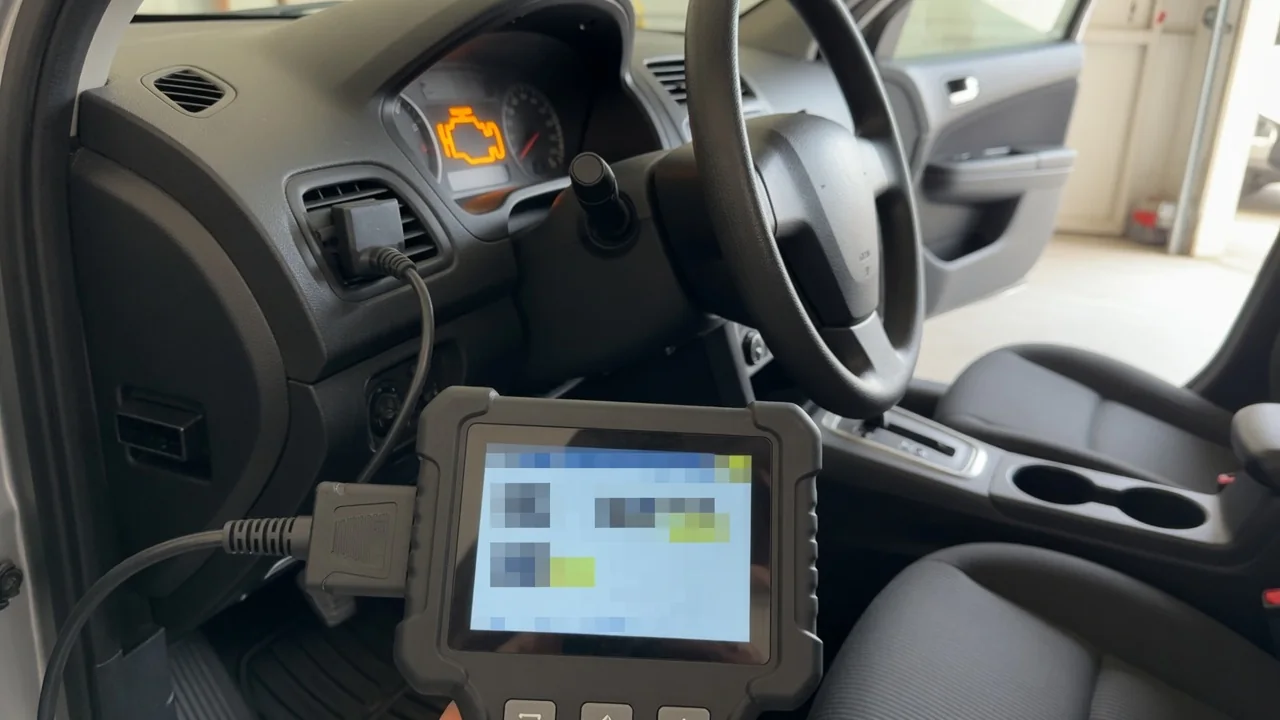
A P1424 trouble code can be puzzling because it does not have one universal meaning. This is a manufacturer-specific powertrain code, so its definition changes from one vehicle brand to the next. Before you assume a particular part has failed, you need to confirm what the code means for your exact make, model, year and engine. Using the right scan tool and diagnostic steps will help you avoid replacing good parts and find the true cause of the check engine light.
What P1424 Means and Why the Definition Depends on the Manufacturer
P1424 falls within the P1xxx range, which is generally reserved for manufacturer-specific powertrain codes. Unlike generic P0xxx codes that follow a common list, the P1xxx codes are assigned by each automaker for their own control systems. Therefore, no single definition applies to all vehicles. For example, one brand may use P1424 for an emissions system fault, while another may use it for a catalyst monitoring issue or an engine management function. The exact meaning is only found in the service information for that specific vehicle.
To interpret P1424 correctly, confirm the definition with a scan tool that can access enhanced manufacturer data, or check the factory service manual for your exact model and engine. Do not rely on generic online code lists or forum posts that give one meaning for every car, because those sources often mix up definitions from different brands. A generic OBD-II reader may show only 'manufacturer specific' without details. Official service information is the most reliable way to understand what the powertrain control module detected before you begin any diagnosis or repair.
How to Read the Code Correctly With a Scan Tool
A basic generic OBD-II reader will retrieve the code but may only display 'P1424' without a clear description. A professional-level scan tool, or one with enhanced manufacturer software, can show the specific definition assigned by the vehicle maker. This is important because the same code number can mean entirely different things on a Volkswagen, a BMW or a Ford. Before you clear the code, record the freeze frame data, which captures engine conditions such as rpm, coolant temperature and vehicle speed at the moment the fault was detected.
Also note the code status: pending, confirmed or permanent. Pending codes indicate a fault that has not yet met all the criteria to turn on the check engine light. Confirmed codes have triggered the light. Permanent codes remain stored until the vehicle completes the required drive cycle and the system verifies the repair. Write down any other codes stored in the computer. Clearing the code without recording these details erases valuable diagnostic clues and resets the readiness monitors, which makes it harder to confirm a fix later. Keep a note of the mileage, recent repairs and the driving conditions when the warning light first appeared.
Symptoms Drivers May Notice With P1424
In many cases, the only noticeable symptom is the illuminated check engine light. Because P1424 is manufacturer-specific, it may not affect normal driving at all if the monitored system is not critical to engine performance. However, some drivers may experience changes in drivability depending on what the code actually means for their vehicle. Possible symptoms include rough running, reduced power, or a change in fuel economy, but these are only possibilities that depend on the verified definition. The code itself does not automatically cause these problems; the underlying fault does.
If the check engine light is flashing, stop driving as soon as it is safe. A flashing light indicates a severe misfire that could damage the catalytic converter. Also, if you notice a strong burning smell, overheating, or the engine is running very poorly, have the vehicle towed to a repair shop. In regions with emissions testing, a stored P1424 code will usually cause an inspection failure because the vehicle's on-board diagnostics report a fault that affects emissions control, even if you cannot feel any symptoms.
Possible Causes to Consider After Confirming the Definition
Once you have confirmed the manufacturer-specific definition for P1424, you can start thinking about possible causes. The likely culprits follow directly from what the code actually monitors on your vehicle. General categories include a faulty sensor, a wiring or connector problem, a failed component in the monitored system, or a software issue in the powertrain control module. Do not assume any one of these is the most common; the correct path depends on the exact definition. For example, if the code refers to a pump, the cause could be the pump itself, its relay, or the wiring that powers it.
Other stored trouble codes may be the real trigger for P1424. A misfire code, fuel trim code, or oxygen sensor code can set a secondary code because the engine management system detects an out-of-range condition. Always look at all stored codes together and check freeze frame data to see which code set first. Remember that a diagnostic trouble code is evidence of a detected condition, not proof that a particular part has failed. A sensor may be reading incorrectly because of a vacuum leak, a wiring problem, or an exhaust leak, not because the sensor itself is bad.
Safe Checks You Can Do Before Visiting a Shop
Before visiting a shop, you can perform a few safe visual checks. Make sure the engine is off and cool. Look at the accessible wiring harnesses and connectors related to the system indicated by the P1424 definition. Check for obvious damage such as cracked insulation, loose plugs, or corrosion on pins. Do not unplug sensors while the engine is running, and stay away from hot exhaust components. A simple visual inspection often reveals a chewed wire or a connector that was not fully seated after recent work.
You can also ask a dealer service department to check for technical service bulletins (TSBs) using your vehicle identification number (VIN). A TSB may describe a known software issue or a wiring repair that matches your symptoms and code. No specific bulletin is guaranteed to exist, but it is a quick check. After any temporary fix, such as reseating a connector, drive the vehicle through a normal drive cycle to see if the code returns. Note the exact conditions when the light comes back, because that helps a technician narrow down the cause.
When Professional Diagnosis Is Needed and What It Involves
Professional diagnosis is needed when the code keeps returning, when you notice drivability problems, or when several related codes are stored. A qualified technician will use a scan tool to view live data from the relevant sensors and actuators, and they may perform circuit tests with a digital multimeter according to the manufacturer's specifications. They should also follow pinpoint test procedures from the factory service information. This is more reliable than swapping parts based on a guess from a code number.
Because P1424 is manufacturer-specific, a dealer or an independent shop that specializes in your vehicle brand may be the best choice. They are more likely to have the correct service information and experience with common failures for that model. Before approving any parts replacement, ask the shop to explain the verified definition of the code and what their tests showed. A good technician will be able to tell you which circuit or component failed the test and why the repair is expected to fix the problem.
Repair Approach and Confirming the Fix
The correct repair depends entirely on the verified cause. It could be as simple as repairing a broken wire or cleaning a corroded connector. In other cases, a failed sensor or actuator must be replaced, or the powertrain control module software may need an update. Always use parts that match the vehicle's specification, as confirmed by the VIN or a qualified parts supplier. A part that looks identical but has a different internal calibration can cause new problems.
After the repair, the technician should clear the codes, complete the required drive cycle, and verify that all readiness monitors are set and the P1424 code does not return. If other related codes were stored, fixing those first may resolve P1424 without any direct work on that code's system. For example, an oxygen sensor code that causes incorrect fuel trim may set a secondary P1424. Once the root cause is corrected and the system rechecks itself, the code will stay away, confirming the fix.