P1420 Code: What It Means, Likely Causes and How to Diagnose It
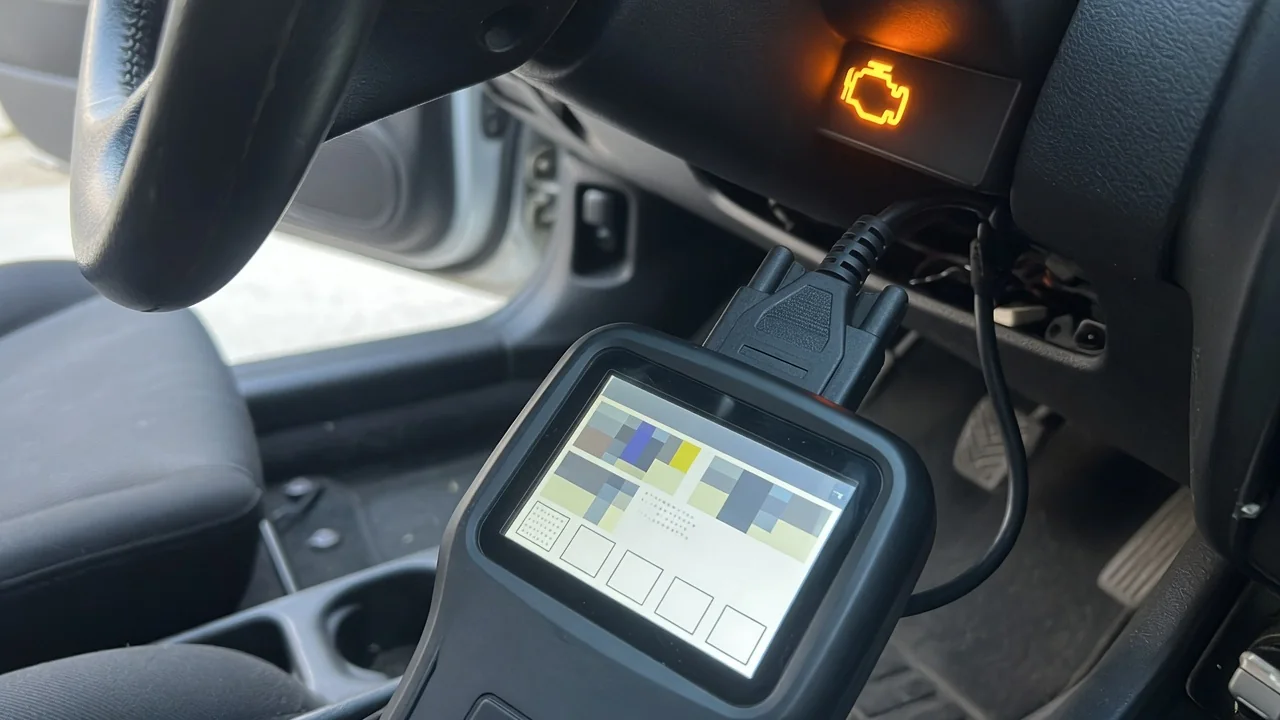
A P1420 code stored in your vehicle’s OBD-II system can be confusing because it does not have one set meaning. This diagnostic trouble code belongs to the manufacturer-specific P1xxx range, so its definition changes depending on the exact make, model, year, and engine. On some vehicles, P1420 points to a secondary air injection system fault; on others, it relates to catalytic converter efficiency or an emissions sensor. Before replacing any part or attempting repairs, you need to confirm what the code means for your vehicle—otherwise, you may waste time and money fixing the wrong system.
What the P1420 Code Means and Why It Varies by Manufacturer
Unlike generic powertrain codes in the P0xxx range, P1420 is a manufacturer-specific trouble code. Automakers use the P1xxx block to define faults that are unique to their control strategies, wiring layouts, or emissions hardware. For example, the same code may indicate a secondary air injection pump relay issue on one brand but an exhaust gas recirculation sensor problem on another. Consequently, any online lookup that gives a single universal definition for P1420 is unreliable. Only the factory service information for your exact vehicle—or a professional scan tool with manufacturer-level definitions—can tell you which system is involved.
Before you spend money on diagnostics or parts, confirm the code’s meaning for your make, model, year, and engine. A reputable independent shop or dealer can pull the manufacturer-specific definition, but many advanced OBD-II scan tools used by enthusiasts also display enhanced code descriptions. Once you know the defined system, you can interpret the code in context. For example, a General Motors vehicle may list P1420 as an intake air low voltage condition, while a Volkswagen could tie it to a secondary air injection valve. Never rely on a generic code list that lumps all P1420 definitions together; doing so can lead you to replace a perfectly good component and still leave the check engine light on.
Symptoms Drivers May Notice With a P1420 Code
The most obvious symptom of a P1420 code is an illuminated check engine light. In many cases, especially when the fault involves an emissions subsystem like secondary air injection or catalyst monitoring, there may be no noticeable change in how the vehicle drives. The engine starts normally, idles smoothly, and accelerates as always—only the warning light tells you something is wrong. That is why countless drivers ignore the code until an emissions inspection forces them to address it. If you live in an area with mandatory testing, a stored P1420 code will typically cause a failed inspection, even if no drivability issue is present.
Some vehicles may display subtle or obvious performance symptoms depending on what the code actually refers to. For instance, a secondary air injection fault may produce an unusual whirring, clicking, or blowing noise during the first minute after a cold start as the system tries to operate. In contrast, a catalyst monitoring or sensor-related definition might cause rough running, hesitation, or reduced fuel economy under specific conditions. Pay attention to when the symptom occurs—cold start, warm idle, steady highway speed, or under acceleration—and whether the check engine light flashes or stays steady. This information helps a technician narrow down the faulty circuit or component without wasting diagnostic time.
Possible Causes Depending on the System the Code Points To
Since P1420 is manufacturer-specific, the possible causes must be grouped according to the system your verified definition points to. If the code is defined as a secondary air injection fault, common categories include a failed air pump, a stuck open or closed injection valve, split or disconnected hoses, a blown fuse, a faulty relay, and damaged wiring or connectors. But do not assume which part fails most often—testing is required. A pump that does not run may have no power because of a failed relay, a corroded connector, or an open circuit, not because the pump motor itself has died.
For a P1420 definition related to catalytic converter efficiency or oxygen sensor monitoring, the plausible causes are different. You may be dealing with a slow or biased oxygen sensor, an exhaust leak upstream of the converter that introduces false air, or a converter substrate that has lost its ability to store oxygen. Even a small leak near the exhaust manifold or a crack in a flex pipe can allow outside air to reach the sensor and skew readings, creating a false efficiency code. Do not overlook other stored codes, pending codes, and freeze frame data—these often point to a root cause rather than a symptom. For example, a misfire code alongside P1420 can mean raw fuel overheated the catalyst.
Safe Checks You Can Do Before Visiting a Shop
Before taking the vehicle to a shop, you can perform several safe checks at home. Start by connecting a scan tool and reading all stored and pending codes, not just P1420. Save or record the freeze frame data for each code—this shows the engine temperature, RPM, vehicle speed, and fuel trim values at the moment the fault was recorded. This information is invaluable for diagnosing intermittent problems. Do not clear the codes yet. If you erase them, you will also erase freeze frame data and reset the readiness monitors, which your state’s inspection station may require to be complete before passing.
With the engine off and fully cool, perform a visual inspection only. Look for disconnected or cracked vacuum hoses, especially around the secondary air injection valve, air pump, or exhaust manifold area, if your code relates to that system. Check for damaged wiring, melted insulation, or corroded connectors that may cause an open or short circuit. Do not touch hot exhaust components, and never run the engine in an enclosed space. Avoid probing live electrical circuits without proper training—backprobing a connector incorrectly can damage a control module. Clearing the code just to see if it returns offers little value because many faults are intermittent and may not set again until a specific drive cycle is met.
When Professional Testing Is Needed
Confirming a P1420 code beyond guesswork typically requires professional-level equipment and procedures. A technician with a factory or enhanced scan tool can command the secondary air injection pump on and off, monitor the switching of oxygen sensors, or run a service bay test for the catalyst monitor. They may use a smoke machine to find small leaks in the air injection plumbing or an oscilloscope to check solenoid valve waveforms. These capabilities go beyond what most DIYers have at home, so if the code persists after your visual checks, visiting a shop is the logical next step.
When you take the vehicle in, give the technician as much information as possible. Share the exact code number, the manufacturer-specific definition you have verified, the freeze frame data you saved, a list of symptoms and when they occur, and any recent repairs or collision work. This prevents them from starting from scratch and saves diagnostic time. Do not authorize replacement of an expensive air pump, catalytic converter, or control module based solely on the code—testing must confirm the part is at fault. Also ask the dealer if any technical service bulletins or warranty extensions apply to your vehicle; you may find that a known issue has a repair procedure or coverage already defined, but do not assume coverage without checking.
Is It Safe to Drive With P1420 and What Happens After Repair
The urgency of driving with a P1420 code depends on the verified definition and your vehicle’s behavior. If the check engine light is flashing, or if you notice severe misfiring, stalling, loss of power, or unusual noises, stop driving and have the vehicle towed or diagnosed immediately. A steady check engine light with no drivability change is less urgent, but you should still address the problem before your next emissions inspection. Continuing to drive with an unresolved emissions fault may allow unburned fuel to reach the catalytic converter, potentially overheating it and causing more expensive damage over time.
After the correct repair is completed, the technician will clear the code and verify that it does not return. The readiness monitors—internal self-tests for the emissions systems—will need to complete through a specific drive cycle. This often requires a mix of cold starts, steady cruising, and engine-off periods. If the repair is successful, the P1420 code should stay cleared, the check engine light should remain off, and the readiness monitors should set to complete. To be certain, rescan the vehicle after several days of normal driving. If the code returns, the initial diagnosis may have missed a secondary fault, and further testing will be needed.