P1416 Code: Vehicle-Specific Meaning, Causes and Repairs
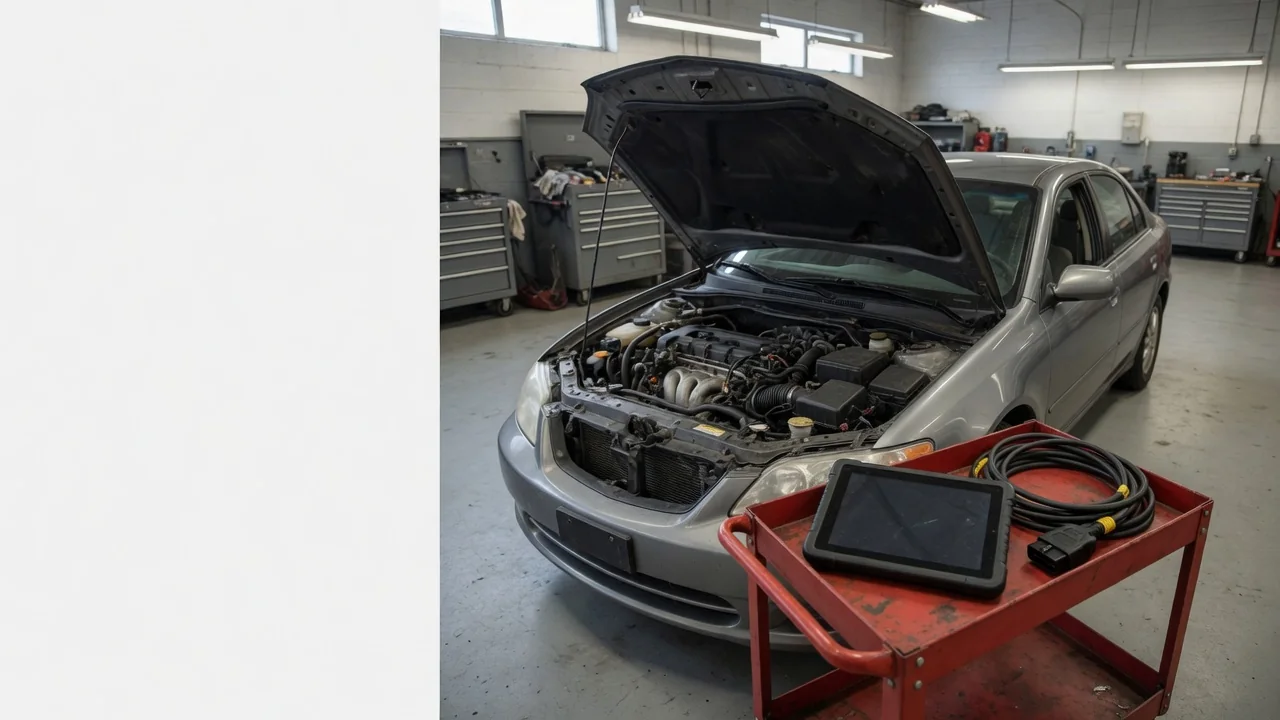
P1416 is a manufacturer-specific trouble code, so its meaning is not the same on every vehicle. A scanner that reports a P1416 code is flagging a stored diagnostic trouble code that must be interpreted with the make, model, year, engine, and official service information for that application. Treat the stored result as a starting point for emissions diagnostics, not as proof that any particular part has failed.
Verify What P1416 Means for Your Vehicle
Unlike generic powertrain codes that share a common definition across many brands, P1416 is manufacturer-specific. Two vehicles can store the same alphanumeric result and still be describing different monitored systems, banks, or components. Before you interpret the P1416 code, confirm the vehicle's make, model, year, engine family, and the service information written for that exact application. A description copied from a generic lookup table can point you toward the wrong circuit or the wrong emissions subsystem.
Some applications associate this diagnostic trouble code with secondary air injection, but that association is not universal and must be verified for the vehicle in front of you. If the factory procedure names a bank, pump, valve, or monitor, those designations apply only after the correct service information is identified. A scan tool's brief line of text is a starting point for diagnosis. It does not establish that a pump, solenoid, sensor, or fuse has failed, and it does not replace the manufacturer's definition of the fault.
Symptoms and Signs That Need Prompt Attention
An illuminated check engine light may be the only noticeable change when P1416 is stored, depending on the confirmed application and how the control module handled the fault. Other complaints such as rough running, unusual sounds, hard starting, or reduced power can appear at the same time, but they should be recorded as separate observations rather than assumed to come from this one diagnostic trouble code. Multiple systems can produce similar drivability symptoms, so those details help later testing instead of substituting for a confirmed definition.
A steady warning lamp by itself does not tell you whether continued driving is appropriate, because the stored P1416 code does not describe how severely the engine or emissions system is affected. If the light flashes, the engine runs severely rough, or you notice smoke, overheating, or substantial power loss, stop safely and seek assistance rather than trying to interpret the fault while the vehicle is still in motion. Those conditions can indicate a problem that needs immediate attention regardless of how the scanner labels the stored result.
Possible Causes Depend on the Confirmed Definition
Possible causes belong to the system and fault condition named in vehicle-specific service information, not to a generic list attached to the number P1416. After that definition is confirmed, diagnosis follows the monitored path the factory procedure describes. For applications that do associate the code with secondary air injection, airflow restrictions, valve operation, pump operation, electrical faults, or control faults can all change the result the module is watching. None of those possibilities should be ranked by assumed frequency, and none should be treated as a failed part solely because the code is present.
Wiring, connectors, and feedback signals often sit between the control module and the hardware it is trying to command or measure. A poor connection, damaged circuit, or implausible feedback reading can set the same P1416 code as a mechanical restriction or a component that no longer responds as commanded. Evaluating those electrical paths before blaming a pump, valve, or related assembly keeps the repair aligned with what the monitor actually saw. The stored diagnostic trouble code is evidence that a condition was detected, not proof of which piece of hardware caused it.
Safe Observations to Record Before Diagnosis
Before any codes are cleared, save the exact wording of P1416, every accompanying code, each code's status, and any freeze-frame data the scan tool can display. Freeze-frame snapshots capture operating conditions at the moment the fault was recorded and can later show whether the event happened at idle, under load, during warmup, or after the engine was already at operating temperature. Also note when the check engine light appeared, what recent repair work was done, and whether any drivability symptoms show up at startup or only while driving.
Visual checks should stay limited to what you can see with the vehicle parked, the engine off, and the engine cool. Look for obviously damaged wiring, loose or disconnected connectors, and other readily visible issues without probing further. Do not command components, create electrical bypasses, disconnect hoses, or work near hot exhaust parts or moving machinery as a way to investigate P1416. Those actions can create new faults, injure you, or destroy evidence that a technician needs for emissions diagnostics that follow the manufacturer's procedure.
How Testing Determines the Appropriate Repair
A technician chooses tests from the confirmed P1416 definition, any accompanying codes, and the manufacturer diagnostic procedure written for that vehicle. Those steps typically compare circuit integrity, commanded operation, and the system's actual response, and they may include relevant flow or pressure checks when the service information calls for them. The goal is to see whether the monitor's expected result failed because of a circuit problem, a control issue, a restriction, or hardware that does not respond as commanded. Generic parts swapping is not a substitute for that sequence.
Repair options should follow verified findings. That may mean repairing wiring, correcting a confirmed restriction, or replacing a component only after it fails the prescribed tests. Installing a new pump, valve, sensor, or fuse without identifying the underlying fault can leave the original condition in place, so the P1416 code returns as soon as the monitor runs again. Related pending codes and freeze-frame data still matter at this stage because they can show whether more than one circuit or more than one operating condition is involved.
Confirm the Repair and Monitor for a Returning Code
Clearing P1416 alone does not demonstrate that the underlying fault has been repaired. Repair verification depends on completing the applicable diagnostic checks, allowing the relevant monitor to run, and scanning again for a returning code or for pending codes that show the same condition is still being detected. If the monitor cannot complete, or if the same result reappears, further diagnosis is needed rather than another code erase. The conditions under which the fault returns, such as cold start or a specific driving mode, should guide the next tests.
Erasing stored results can also reset emissions readiness, which matters if the vehicle must pass an inspection soon after the repair. Readiness should be checked before that inspection so incomplete monitors are not mistaken for a finished repair. If the P1416 code returns after the monitor has had a fair chance to run, treat the recurrence as new diagnostic information. Compare the new freeze-frame data with the original snapshot and revisit the confirmed definition rather than repeating the same untested replacement.