P1414 Code: Verify Its Meaning, Causes and Repair Steps
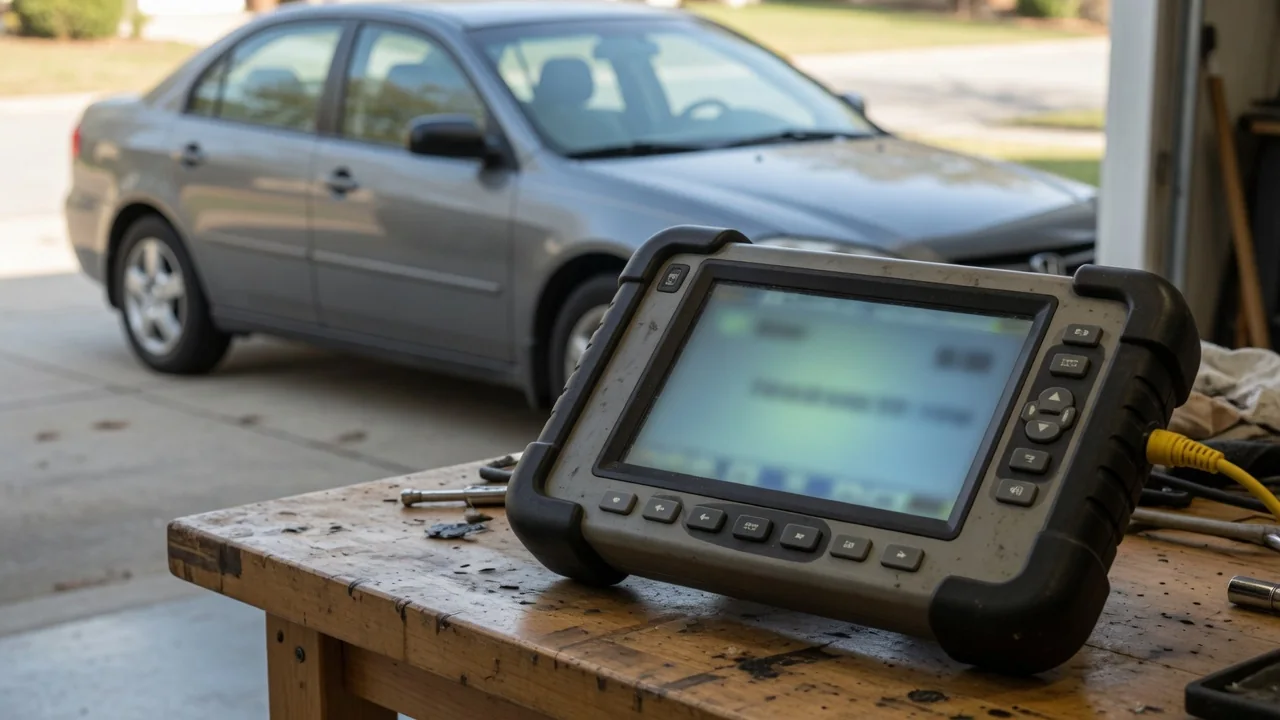
A P1414 diagnostic trouble code can appear on many vehicles, but its meaning is not the same across all makes and models. Because this manufacturer-specific trouble code depends on the vehicle's powertrain control module and application, you should not assume a generic definition from a basic scanner is accurate. Before checking the check engine light or planning repairs, verify the exact fault condition for your vehicle identification details. The symptoms, causes, and necessary repair steps all change once the confirmed definition is known.
Verify the Vehicle-Specific Meaning of P1414
P1414 is a manufacturer-specific trouble code, so it does not have one universal meaning. The same number may point to a secondary air injection fault on one vehicle, a cylinder deactivation issue on another, or a completely different monitored circuit on a third. A scan tool may show a short generic description, but that text is often incomplete or misleading without the vehicle's application information. The correct interpretation requires the make, model, model year, engine, and sometimes the vehicle identification number.
To avoid misdiagnosis, check the exact definition in service information that covers your specific vehicle. Manufacturer service data will explain what the powertrain control module is monitoring when it sets P1414, what conditions must be present, and which wires or components belong to that system. If a definition cannot be verified for your vehicle, do not guess or use a similar code from another brand. Record the confirmed fault condition before moving to symptom review or cause lists.
Record Symptoms Without Assuming Their Cause
On many vehicles, the only noticeable sign of P1414 is an illuminated check engine light. The code itself does not prove a particular drivability symptom, and the vehicle may feel completely normal. Write down exactly what you experience without assuming the code explains it. Note whether the engine starts slowly or normally, behaves the same when cold or warm, holds a steady idle, loses power under acceleration, or produces any unusual clicking, buzzing, or rattling sounds.
Symptom timing helps a technician once the vehicle-specific definition is known. A problem that appears only during a cold start may point to a temperature-dependent circuit or a system that runs briefly after startup, while a fault that appears during warm operation or hard acceleration often involves a different load or heat condition. Record when the warning lamp first appeared and whether the same conditions repeat. These observations guide which tests should be performed first.
Build a Cause List From the Confirmed Definition
Build a cause list only from the confirmed definition for your vehicle. If the fault condition names a specific circuit, actuator, sensor, or monitored system, test the wiring, connectors, power supply, and controls that belong to that system. Do not add possible causes from a different manufacturer's P1414 code or from an unverified online description. An electrical circuit fault and a mechanical or performance fault produce different evidence and require different testing steps.
A stored P1414 does not prove that a part has failed. The powertrain control module sets the code when it detects a signal or condition outside an expected range, but that can be caused by a damaged wire, corroded connector, poor ground, low voltage, or a temporary operating condition. Replacing a component without a supporting test result often leaves the original problem in place. Let the diagnostic procedure identify the known good and suspect points before condemning any part.
Preserve Diagnostic Evidence and Make Safe Observations
Before clearing anything, save the full scan report, including the code status, any companion codes, and available freeze-frame data. Freeze-frame information shows the operating conditions when the fault was recorded, such as engine speed, coolant temperature, and load. Those numbers can reveal whether P1414 appeared only at idle, during warm-up, or under a specific driving situation. A second code logged at the same time may share a power supply or ground and change the diagnostic order.
Make a note of recent repairs, battery interruptions, or when the warning lamp returns. If the battery was disconnected or replaced shortly before the light appeared, the code may have set during a self-test or relearn process. Keep owner checks limited to readily visible damage or disconnected connectors with the vehicle parked, switched off, and cool. Do not reach near moving belts, hot exhaust parts, or pressurized hoses. Save circuit probing and connector backprobing for a professional using the correct service procedure.
Know When P1414 Needs Professional Testing
P1414 alone cannot establish whether continued driving is appropriate. A single stored code with no other symptom may allow normal driving for a short time, but the same code on another vehicle may indicate a condition that affects engine operation or emissions hardware. If the check engine light is flashing, treat it as a misfire condition that requires prompt attention. Stop safely and seek assistance for severe shaking, stalling, overheating, smoke, or major power loss.
A technician begins with the verified diagnostic procedure for your vehicle, not with a generic code list. They may measure circuit resistance and voltage at controlled points, watch live data to see how the monitored system responds, or run an actuator test that temporarily operates a solenoid or pump. These tests often require the engine running, parts moving, or components hot or pressurized. Leave energized tests, component activation, and access to those areas within professional diagnosis.
Choose a Repair and Verify the Result
An appropriate repair addresses a demonstrated fault, not the code label alone. A confirmed connection problem may require repairing a terminal or replacing a short section of wire. A failed monitored component may need replacement only after it fails a resistance, voltage, or functional test specified in the service procedure. Ask what test result supports the recommended repair and whether additional diagnosis is needed before approving parts replacement. A code number by itself is not the justification.
Clearing P1414 or disconnecting the battery does not demonstrate that the underlying problem is resolved. After a repair, the applicable service procedure may require running a particular self-test, clearing code history, or allowing the powertrain control module to complete its monitor checks under normal driving conditions. There is no universal drive cycle for every manufacturer. Verify the result by checking for returning codes, watching live data if required, and confirming that the originally monitored conditions now pass.