P1410 Code: Meaning, Causes and How to Diagnose It
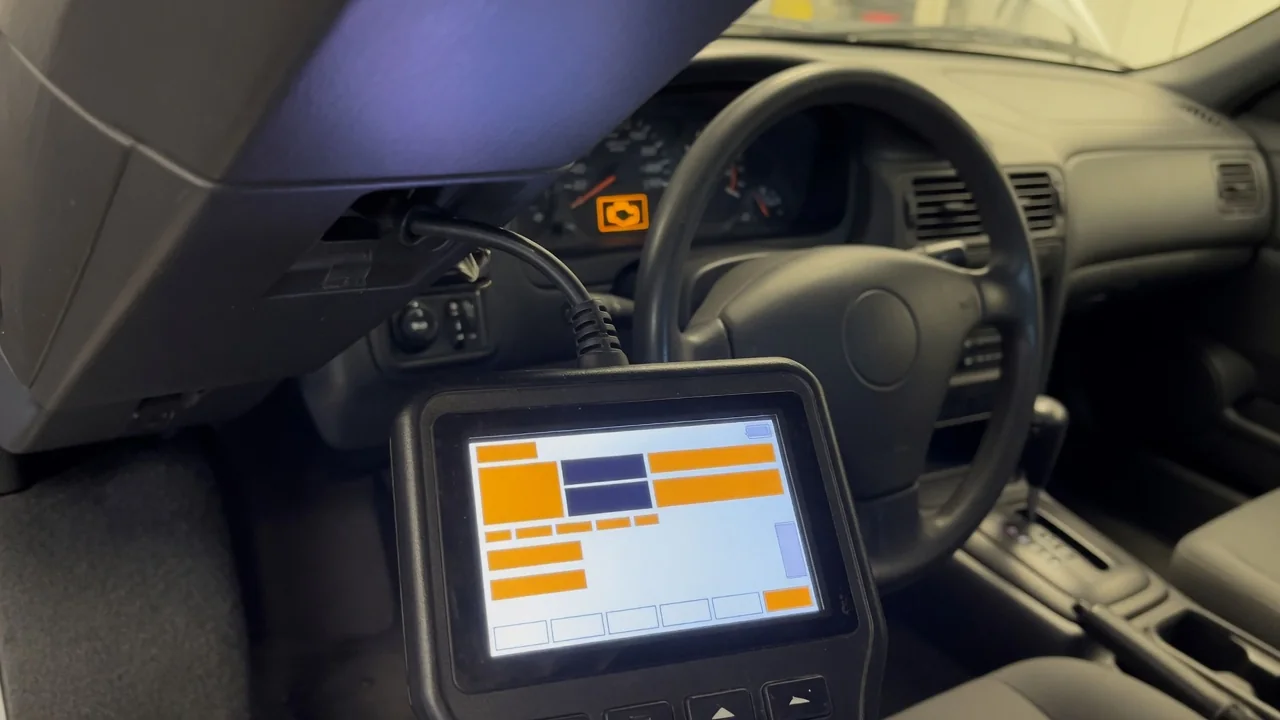
When the check engine light comes on and your OBD-II scanner shows a P1410 code, it is easy to assume you have a clear-cut problem. On many vehicles, a P1xxx code is manufacturer-specific, meaning the same number can point to completely different systems depending on the make, model, year, and engine. Without confirming your vehicle's exact definition, you could waste time and money chasing the wrong repair. Understanding why P1410 varies, what symptoms to watch for, and how to approach diagnosis can help you address the fault safely and effectively.
What the P1410 Code Means and Why the Definition Depends on the Make
P1410 belongs to the P1xxx range of diagnostic trouble codes, which automakers reserve for their own unique definitions. Unlike generic P0xxx codes that follow a standardized list, P1410 can mean one thing on a Toyota and something entirely different on a Nissan or Mercedes-Benz. The inconsistency comes from each manufacturer assigning P1410 to a component or circuit that they chose for their own emissions or engine management systems. Because of this, treating P1410 as a universal fault is a mistake that can lead to unnecessary part replacement.
To find out what P1410 actually means for your vehicle, you need vehicle-specific information. Factory service information from the manufacturer is the most reliable source, and many professional repair shops have access to it through subscriptions. A dealer can also provide the correct definition for your exact VIN. Some high-end scan tools include manufacturer-enhanced code descriptions that display the proper meaning when connected to the vehicle. Generic code lists on forums or websites often misattribute P1410 to a system from a different make, so they should never be used as the final word.
Symptoms Drivers May Notice With a Stored P1410
For many drivers, the only symptom of a stored P1410 is an illuminated check engine light, and the car may drive exactly as it did before. Some vehicles in this situation show no change in fuel economy, power, or idle quality, making the code easy to ignore. However, the light is not just a decoration: it indicates that the engine computer has detected a fault in a monitored system. If your car is running normally but the light is on, the fault could still affect emissions or set the stage for future problems.
In other cases, drivers may experience changes such as a rough idle, hesitation during acceleration, or a slight loss of power. These symptoms depend on which system the code is tied to and how severely the fault affects engine operation. For drivers in areas with emissions inspections, a stored P1410 can cause an automatic failure even before any drivability issue appears. Noting when the light came on and the conditions at the time—like cold weather or after a recent repair—gives a technician useful clues.
Common Cause Categories Behind P1410
The underlying causes of P1410 can be grouped into a few general categories: electrical circuit problems, failed actuators or valves, sensor feedback issues, and occasionally vacuum or hose leaks. An electrical circuit fault might include a broken wire, a corroded connector terminal, or a poor ground connection. Such problems can interrupt the signal between a component and the engine computer, triggering the code even when the component itself is still functioning properly.
Failed actuators or valves are another possibility, such as a solenoid that no longer moves or a valve that sticks open or closed. Sensor feedback issues can cause the computer to receive implausible readings, while a cracked vacuum hose may alter airflow or pressure that the system monitors. A fault inside the control module is possible but is generally considered only after all wiring, connectors, sensors, and mechanical parts have been tested. The correct list of likely causes depends entirely on the verified definition for your specific vehicle, so avoid assuming one brand's problem applies to another.
Safe Checks You Can Do Before Visiting a Shop
Before visiting a shop, you can perform a few safe checks at home. Start by connecting an OBD-II scanner and recording the exact code, any pending codes, and the freeze frame data. Freeze frame data captures the engine conditions when the fault occurred, such as engine speed, coolant temperature, and fuel trim. Write down this information or take a picture, because clearing the code erases it and can make diagnosis harder later.
With the engine off and cool, you can visually inspect accessible wiring and connectors for obvious damage. Look for loose or unplugged connectors, wires that are chafed or melted, and cracked or disconnected vacuum hoses near the top of the engine. Avoid touching hot or moving parts, and do not disconnect anything unless you know it is safe. A basic scan tool only reports the fault; it does not tell you which part to replace. If your vehicle has an open recall or technical service bulletin related to the code, the manufacturer or government database can confirm it.
How a Technician Diagnoses P1410
A professional technician starts by looking up the P1410 definition for your exact VIN in factory service information. The manufacturer's test procedure then guides the diagnostic steps. This often includes reading live data from the engine computer to see if the relevant sensor or actuator is reporting expected values. If the code relates to a circuit, the technician may use a digital multimeter to check for proper voltage, ground, and resistance at the component connector.
Technicians may also use a scan tool to command a component on and off, such as a solenoid or valve, to see if it responds. If other diagnostic trouble codes are present, they may need to be addressed first because one fault can trigger multiple codes. Replacing parts based solely on the P1410 code without performing these tests often results in the light returning and wasted money. After a repair, the technician typically clears the codes, performs a road test, and checks that the emissions readiness monitors have completed.
Repair Options and What to Expect After a Fix
Once the verified cause is found, the repair may involve repairing a damaged wire, cleaning or replacing an electrical connector, or replacing a failed component such as a valve or sensor. In some cases, simply repairing a cracked vacuum hose or securing a loose ground connection fixes the problem. When buying a replacement part, always use the VIN at the parts counter or online to confirm it fits your exact model and engine. A part that fits a similar vehicle may have a different connector or calibration.
After the repair, the check engine light may not turn off immediately if the technician forgot to clear the code, but it normally will be cleared as part of the service. However, some emissions monitors require a specific drive cycle to run before the system can confirm the fix. If the light comes back on with the same P1410, the root cause was not fully corrected. Keep records of the original codes, freeze frame data, and repair receipts in case the issue recurs or a warranty claim is needed.
Can You Keep Driving With P1410?
Whether you can safely keep driving with P1410 depends on what the code actually means for your vehicle and how it is behaving. If the car drives normally and the light is steady, the immediate risk is likely low, but the fault can affect emissions and may worsen over time. In regions with mandatory inspections, the code itself will cause a failure, so the problem cannot be ignored indefinitely.
Certain warning signs mean you should stop driving and have the vehicle towed to a shop. A flashing check engine light indicates a misfire that could damage the catalytic converter. Stalling, severe hesitation, or a strong smell of fuel are also signs of a potentially unsafe condition. Even without these severe symptoms, getting a proper diagnosis sooner rather than later can prevent a small electrical issue from turning into an expensive repair.