P1407 Code: Meaning, Symptoms, Causes and Diagnostic Checks
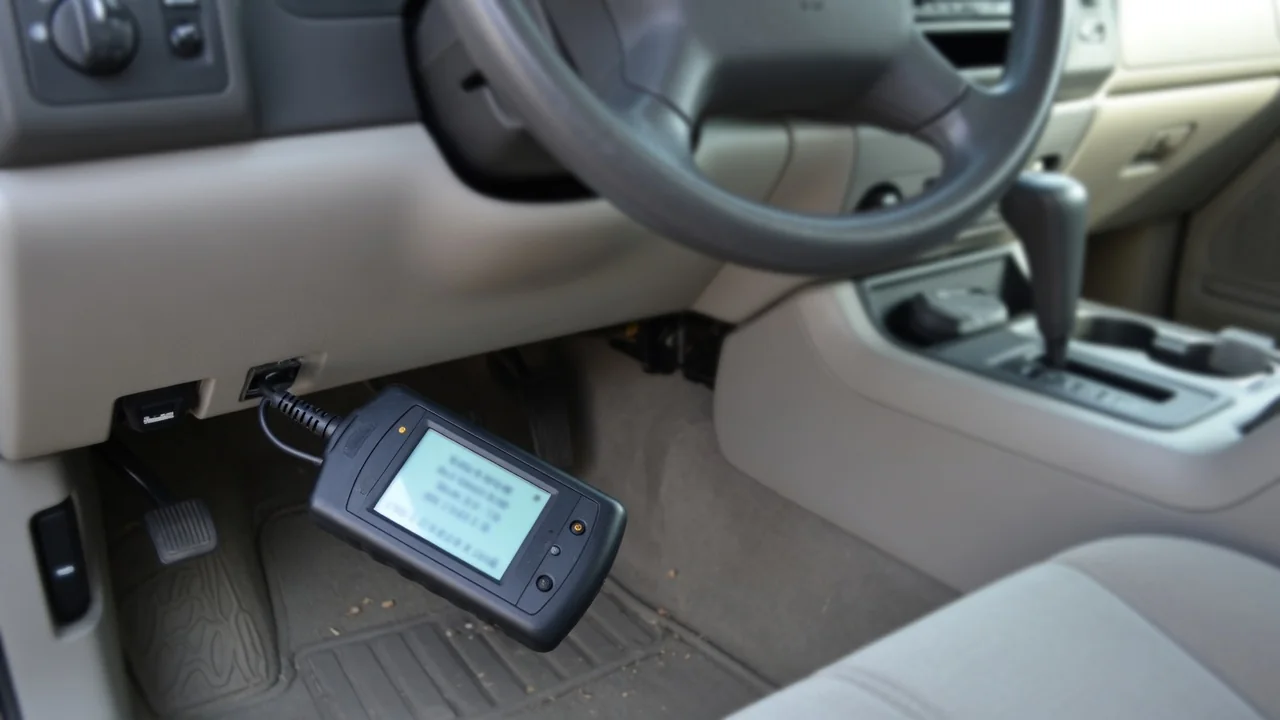
A P1407 trouble code can be confusing because it does not have one universal meaning. Unlike generic OBD-II codes, P1 codes are manufacturer-specific, so the definition changes by make, model, year, and engine. Many drivers first notice a check engine light with no obvious drivability change, but others report rough running. Before replacing parts or clearing the code, confirm what P1407 means on your vehicle. The right diagnostic approach starts with a vehicle-specific definition and a logical inspection of the relevant system.
What the P1407 Trouble Code Means and Why It Depends on the Manufacturer
P1407 falls in the P1xxx range reserved for manufacturer-specific trouble codes. This means no single generic definition applies to every vehicle. The same code number can refer to different systems or conditions depending on the automaker’s programming. For example, on some vehicles it may relate to exhaust gas recirculation (EGR) monitoring, while on others it could indicate an entirely different circuit or sensor fault. Acting on a generic internet lookup without matching your exact application can lead to incorrect repairs and wasted money.
To interpret P1407 correctly, you must confirm the definition for your specific make, model, year, and engine. Use a factory service manual, a dealer, or a scan tool capable of reading enhanced manufacturer codes. Many basic code readers only display the generic OBD-II description, which may be misleading for a P1 code. Do not assume that a common description found online applies to your car. Always cross-check the code against the vehicle’s own diagnostic documentation before any part replacement or further testing.
Symptoms Drivers May Notice With a P1407 Code
For many drivers, the only sign of a P1407 code is an illuminated check engine light. The vehicle may start, run, and drive exactly as it did before the fault was stored. This is common when the code involves a monitoring strategy rather than a hard mechanical failure. Without additional symptoms, there is often no noticeable change in fuel economy, power, or smoothness. The code is simply evidence that a self-test did not pass on a particular drive cycle.
Some vehicles with a P1407 code may show drivability changes that depend on the system involved. If the code is EGR-related, drivers sometimes report a rough idle, hesitation during acceleration, or spark knock under load. These symptoms occur because exhaust gas recirculation alters combustion temperature and mixture dilution. However, the same symptoms can come from ignition, fuel, or vacuum problems. Because symptom overlap is common, you cannot use how the car feels alone to confirm the cause of P1407.
Possible Causes Behind P1407
Possible causes behind a P1407 code always depend on the confirmed manufacturer definition. Once you know exactly what system the code monitors, you can narrow the list of likely faults. If the code is tied to exhaust gas recirculation, general categories include restricted or carbon-clogged EGR passages, a sticking or failed EGR valve, vacuum supply or control solenoid problems, or a faulty feedback sensor. Each of these can set the code because the expected EGR flow is not achieved under test conditions.
Beyond EGR-related faults, wiring, connector, and circuit problems apply to many electronic monitoring codes. A damaged harness, loose terminal, or corrosion can interrupt the signal the computer expects. The stored P1407 code points to a condition or a system that failed a test; it does not prove that a specific part has failed. Treat the code as a starting point for diagnosis, not a shopping list. Replacing a component based only on the code number often leaves the real problem untouched.
Safe First Checks Before Replacing Any Parts
Before replacing any parts, read the code with a scan tool and record all available information. Note the freeze frame data, which shows operating conditions when the fault was stored. Also check for pending codes and any other related codes. These additional clues can help separate a single event from a recurring pattern. Do not clear the code until you have written down the data. Clearing erases freeze frame information that can be valuable for confirming the cause later.
With the engine off and cool, perform a careful visual inspection around the components suggested by the vehicle-specific code definition. Look for disconnected, cracked, or brittle vacuum hoses and damaged or loose wiring connectors. A simple unplugged hose or corroded terminal can set many codes without any internal part failure. After the inspection, you can clear the code and drive the vehicle to see if it returns. Keep in mind that clearing the code will reset readiness monitors, so the car will not pass an emissions inspection until the monitors run again.
Limits of DIY Diagnosis and When Professional Testing Is Needed
Confirming actual EGR flow, valve operation, or sensor readings usually requires live data, manufacturer test procedures, or specialist equipment. A basic code reader cannot command the valve open or measure feedback voltage while driving. Without that data, you cannot distinguish a clogged passage from a faulty sensor or a wiring issue. If you do not have access to the proper scan tool or service information, professional testing is the safest path. Guessing at this stage often leads to expensive parts that do not fix the problem.
Seek professional help promptly if the check engine light flashes, the engine runs poorly, knocks under load, or overheats. These are signs of active misfire or severe combustion problems that need immediate attention. Also seek help if the code returns after clearing and a basic inspection finds nothing obvious. Never work near hot exhaust components or run the engine in a closed garage. When you visit a shop, ask them to confirm the vehicle-specific code definition and show the test results that support any recommended repair.
Driving With P1407 and Why a Prompt Repair Matters
Whether it is safe to drive with a P1407 code depends on the confirmed meaning and the symptoms you observe. A car that drives normally with only a check engine light may be driven carefully to a repair appointment. However, if the engine is knocking, hesitating, or stalling, continued driving can cause damage. There is no universal mileage or time limit for driving with this code. Use the vehicle’s behavior and the code definition to decide whether the risk is acceptable.
An unresolved EGR-related fault can affect combustion temperature, emissions, and engine knock on engines that use exhaust gas recirculation. If the system is not functioning, combustion temperatures may rise enough to cause spark knock or increased NOx emissions. Another important reason to fix the code promptly is that an active check engine light can hide new faults. You will not know if a second, more serious problem develops because the light is already on. Timely diagnosis protects both the engine and your ability to monitor its health.