P1402 Code: What It Means, Symptoms, Causes and How to Fix It
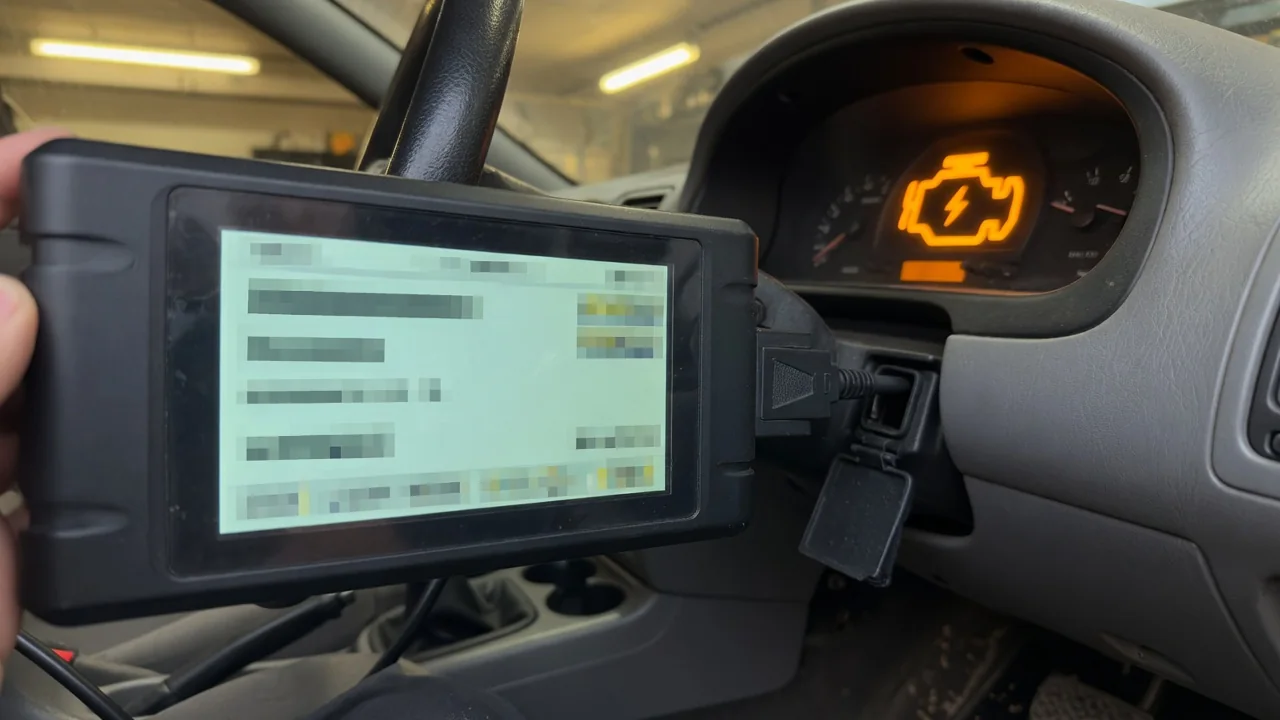
A P1402 code can be frustrating because it doesn’t have one universal meaning. In the OBD-II system, P1 codes are reserved for manufacturer-specific faults, so what this code represents depends entirely on your vehicle’s make, model, year, and engine. On many vehicles, P1402 is related to the exhaust gas recirculation (EGR) system, but that isn’t guaranteed. Before buying any parts or attempting repairs, you need to confirm the exact definition for your car using the right service information.
What the P1402 Code Means and Why It Varies by Manufacturer
Because P1402 falls in the P1 range, it is a manufacturer-specific trouble code rather than a generic powertrain code. This means the same numeric code could point to different circuits or components on a Ford, a Mazda, a Volkswagen, or another brand. Some automakers do use P1402 for an EGR valve or EGR flow fault, but others apply it to a fuel system or emissions component. Assuming the wrong meaning can send you down an expensive and unhelpful diagnostic path.
To find the correct definition for your vehicle, start with a scan tool that offers manufacturer-level coverage, such as a professional OBD-II scanner or the factory diagnostic software. Official service information, a subscription repair database, or a dealer’s technical resources will list the exact fault description and diagnostic steps. A generic code lookup site can give a one‑size‑fits‑all answer, but it may lead you to replace the wrong part or ignore the real problem. Always verify the code against the vehicle’s own documentation.
Common Symptoms That Can Come With P1402
The most common symptom of a P1402 is the check engine light coming on. In many cases the driver notices nothing else; the vehicle starts, idles, and drives normally. This is especially true if the fault is intermittent or only affects a minor emissions function. A stored code with no drivability change is still important, though, because an illuminated check engine light will fail most emissions inspections and can hide a second, more serious problem.
If the manufacturer defines P1402 as an EGR fault on your vehicle, symptoms may include rough idle, hesitation on acceleration, pinging or knocking under load, reduced power, or a drop in fuel economy. These happen because the EGR system is not adding the correct amount of inert exhaust gas into the intake, which changes combustion temperatures and cylinder filling. Since symptoms can vary with engine temperature and load, write down exactly when they occur—cold start, hot idle, highway cruise, or heavy throttle—and share those notes with your technician.
Possible Causes Behind a P1402 Code
Possible causes for P1402 depend on the exact manufacturer definition, so no single list can confirm a fault. If the code is EGR-related on your model, typical categories include carbon buildup inside the valve or intake passages restricting flow, a sticking EGR valve that cannot open or close correctly, or a faulty EGR position sensor that reports the wrong valve position. A differential pressure sensor may also fail, which can make the control module think EGR flow is incorrect when it is actually fine.
Wiring and connector problems are also common. Corrosion at a connector, chafed insulation, or a loose pin in the EGR circuit can produce an open or short that sets the code. Cracked or disconnected vacuum hoses can prevent an EGR valve from working, while a vacuum control solenoid that has failed can do the same. On rare occasions the engine control module itself may be at fault, but that should only be considered after every other cause has been ruled out with proper testing.
Safe Checks You Can Do Before Visiting a Shop
Before visiting a shop, start by using a scan tool to confirm the code and record the freeze frame data. Each freeze frame shows engine speed, coolant temperature, vehicle speed, and other conditions at the moment the fault was stored, which can help a technician reproduce the problem. Also check for any other stored or pending codes. A second code in the EGR circuit, a manifold pressure sensor, or an oxygen sensor can point toward a shared wiring or vacuum issue.
With the engine off and cool, perform a careful visual inspection of the components related to the code. Look for loose or cracked vacuum hoses, unplugged electrical connectors, and obvious wiring damage near the EGR valve, throttle body, or intake manifold. Avoid probing live circuits or bypassing components unless you have the correct service information and tools. Clearing the code to see if it returns can be useful, but remember that clearing codes also resets the readiness monitors, which means your vehicle will not pass an emissions inspection until they complete again.
How a Technician Diagnoses P1402
A qualified technician begins by confirming the manufacturer-specific definition for your exact vehicle and checking for any technical service bulletins. Bulletins often describe known problems and the factory-approved repair, which can save hours of guesswork. Next, the technician will inspect live data with a professional scan tool while the engine is running. Watching the EGR valve position, intake manifold pressure, and fuel trims can show whether the system is responding correctly to commands.
Depending on the circuit, the technician may run a commanded component test to open and close the EGR valve, check wiring and sensor readings against factory specifications, or perform a flow test to see whether exhaust gas actually enters the intake. This testing matters because replacing parts on a guess can be expensive and often leaves the original fault in place. Professional diagnosis is especially important for an intermittent fault, a code that returns after a repair, or multiple related codes stored at the same time.
Typical Fixes Once the Cause Is Confirmed
Once the exact cause is confirmed, the repair matches the problem. Typical fixes include cleaning carbon out of the EGR valve and intake passages, replacing a sticking valve or a faulty position sensor or differential pressure sensor, repairing cracked vacuum hoses, or fixing damaged wiring and connectors. The required part must match your exact vehicle and engine; using a similar-looking part from another model can cause new codes or poor operation.
After the repair, clear the code and complete the manufacturer’s specified drive cycle to run the self-tests. On some vehicles the readiness monitors will set after a normal mix of driving, while others require a specific speed and temperature pattern. Confirm that the code does not return and all monitors complete. A few models may also need a software update or an adaptation or relearn procedure after replacing an EGR valve or position sensor, so check the service information or have a shop perform this step.
Is It Safe to Drive With P1402?
Many drivers can continue driving for a short time when P1402 is present but there are no symptoms. However, the correct answer depends on the vehicle-specific definition and how the car behaves. If the code points to an EGR flow fault and the engine runs normally, a few days of normal use is usually acceptable. But if your manufacturer defines P1402 differently, or if drivability is affected, you should have the vehicle inspected sooner rather than later.
Stop driving and have the car checked quickly if the check engine light flashes, or if you notice strong knocking, stalling, or a big loss of power. These symptoms can indicate a misfire or incorrect combustion that may cause extra engine stress. Leaving the problem unfixed can also cause an emissions test failure, and while the light is on you won’t know if a new, unrelated fault appears. Booking a diagnosis is the safest way to protect the vehicle and your inspection status.