P1389 Code: Meaning by Manufacturer, Symptoms, Causes and Safe Next Steps
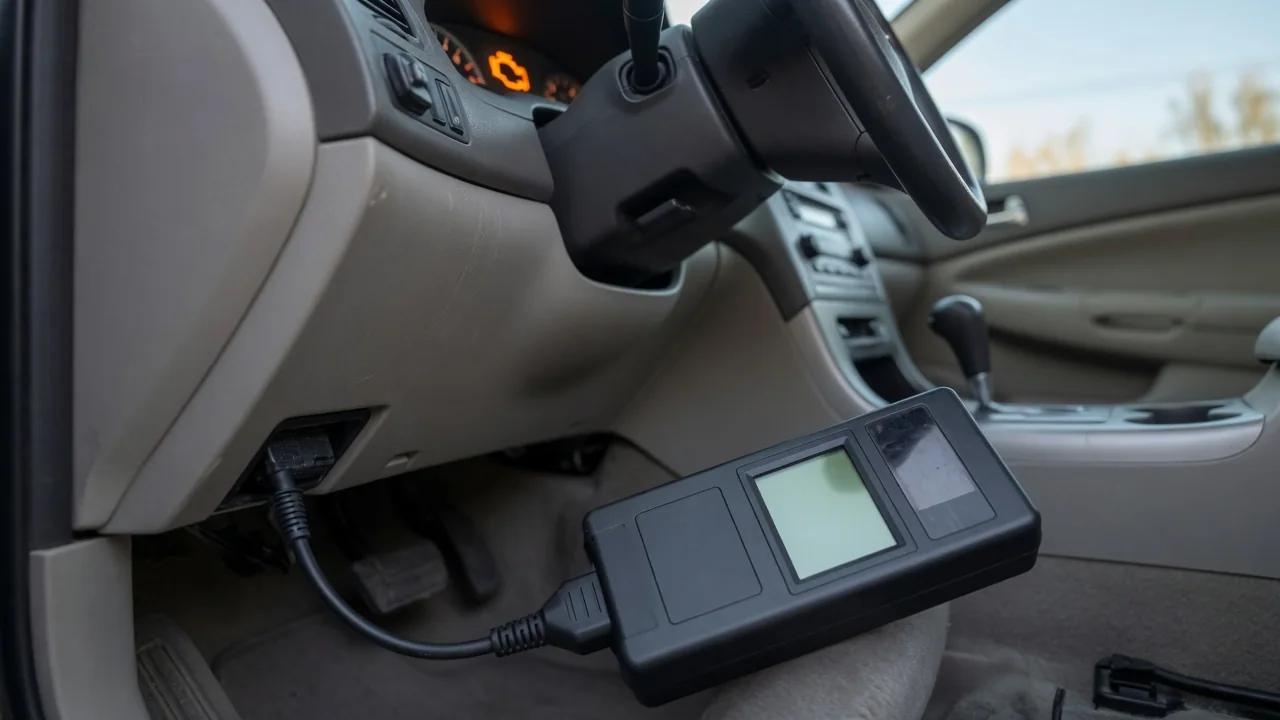
When a check engine light comes on, pulling the code is the first step—but a generic OBD-II scanner often shows only the number, leaving you to wonder what P1389 actually means. Unlike global powertrain codes, P1389 is manufacturer-specific, so its definition changes from one automaker to another. The stored code points to a circuit or system the engine control module flagged, not a guaranteed failed part. Understanding that distinction helps you avoid wasted repairs and guides a safer, more focused diagnosis.
What P1389 Means and Why It Depends on the Manufacturer
P1 codes fall into the manufacturer-controlled range, meaning each automaker assigns its own meaning to P1389. On one vehicle it might refer to an ignition coil circuit, while on another it could indicate a camshaft position actuator or a transmission sensor fault. Generic online descriptions often pull from a single make and mislead owners of other vehicles. Confirm your exact definition through a factory scan tool, dealer service department, or the correct service manual for your year, model, and engine.
The code description names the monitored circuit or subsystem, but that description is only a starting point. The engine control module detected an electrical value outside expected limits, which can result from a failing sensor, damaged wiring, a poor ground, or a software glitch. Replacing the component named in the code without testing frequently leaves the real fault untouched. Treat the definition as a map to the suspect circuit, not as a shopping list for parts.
How to Read the Code and Freeze Frame Data Correctly
Before clearing anything, note whether P1389 is stored as a pending, confirmed, or history code. A pending code means the fault happened once during the current drive cycle and needs another failure to set the light. A confirmed code has occurred enough times to turn on the check engine light, while a history code was present earlier but not seen in the latest tests. These statuses help a technician judge whether a problem is active or intermittent.
Freeze frame data captures a snapshot of engine operating conditions when the code set, including coolant temperature, RPM, vehicle speed, and load. Write down every stored code and this freeze frame information before clearing the memory. Related codes often appear together and narrow the possible causes far more than P1389 alone. Clearing the codes first erases that snapshot and can hide an intermittent electrical fault for days or weeks, making diagnosis much harder later.
Symptoms Drivers May Notice With P1389
Because P1389 does not have a single definition, no universal symptom list applies to all vehicles. The effects depend entirely on which system the manufacturer assigned to this code. On some models, the failure causes a rough idle or hard starting; on others, it may set a warning message for a specific subsystem. Drivers should record any change in behavior they notice alongside the check engine light.
General signs to watch for include an illuminated malfunction indicator lamp, altered starting behavior, poor idle quality, hesitation during acceleration, or a drop in fuel economy. Some vehicles will show no outward symptom at all beyond the warning light, especially if the fault involves a backup circuit or minor rationality check. Note when symptoms appear—cold start, warm engine, wet weather, certain speeds—because that pattern gives a technician useful clues about the underlying condition.
Common Categories of Causes Behind a Manufacturer-Specific Code
Broad cause categories behind manufacturer-specific codes include sensor drift or failure, damaged wiring or connectors, poor ground connections, and engine control module calibration issues. Wiring problems often develop where harnesses rub against brackets or pass through tight engine bay areas. A sensor may be electrically sound but unable to report accurately because its connector is corroded or its supply voltage is low.
Low battery voltage or a weak charging system can trigger circuit-related codes on many vehicles. When system voltage drops below a threshold, sensors and actuators may report invalid values, setting a P1389 that disappears after the battery is charged or replaced. No single cause should be assumed common across all makes and models. The real cause can only be confirmed after the vehicle-specific definition is known and the relevant circuit is tested with a proper wiring diagram and multimeter.
Safe Checks Owners Can Do Before Visiting a Shop
With the engine off and cool, you can safely look for obvious problems in easy-to-reach areas. Check for chafed, melted, or disconnected wiring and connectors near the engine bay. Look for signs of rodent damage, cracked insulation, or corrosion around connector pins. Recent repairs, accident damage, or aftermarket installations near the affected system are worth noting, since disturbed harnesses or pinched wires often follow such work.
Battery condition and terminal cleanliness are basic checks that sometimes clear up voltage-related codes. Inspect for loose connections or white corrosion at the battery posts. Before visiting a shop, search the manufacturer's technical service bulletin database or ask a dealer whether any bulletins or software updates cover P1389 for your vehicle. Do not probe live circuits, bypass fuses or components, or work near hot, moving, fuel, or high-voltage parts—leave electrical testing to a qualified technician with the right equipment.
When Professional Diagnosis Is Needed and What to Expect
Confirming what P1389 means on your vehicle usually requires manufacturer-level scan data, wiring diagrams, and electrical testing that go beyond a basic code reader. A technician will typically verify the code definition for the exact make and model, review live data from the suspect circuit, and follow step-by-step tests from the factory service manual. This process may involve checking resistance, voltage, or signal waveforms under specific conditions.
Share your notes with the shop before they begin: every stored code, the freeze frame data you recorded, and the symptom pattern you observed. That information saves diagnostic time and points the technician toward the right circuit. Ask for a written diagnosis that names the confirmed cause before approving replacement parts. A shop that guesses and swaps parts without testing may clear the code temporarily, but the underlying electrical or mechanical issue often returns within a few drive cycles.
Is It Safe to Drive With P1389, and How Fixes Are Confirmed
Whether you can continue driving with P1389 depends on the confirmed definition and the symptoms present. A code tied to a minor emissions circuit may allow normal operation, while a code involving an ignition or fuel system fault could cause stalling or damage. Do not assume the code is harmless just because the car starts. Stop driving and seek help if you see a flashing check engine light, experience stalling, notice a loss of power or overheating, or smell burning or fuel.
The fix should follow the confirmed cause, not a guess based on the code name. A repair might be as simple as repairing a chafed wire or cleaning a connector, or it could require replacing a failed sensor or updating engine control module software. After the repair, the code is cleared and a drive cycle is completed to allow the module to run its monitors. If P1389 does not return during normal driving, the repair is considered successful.