P1383 Code: Meaning by Manufacturer, Symptoms, Causes and Fixes
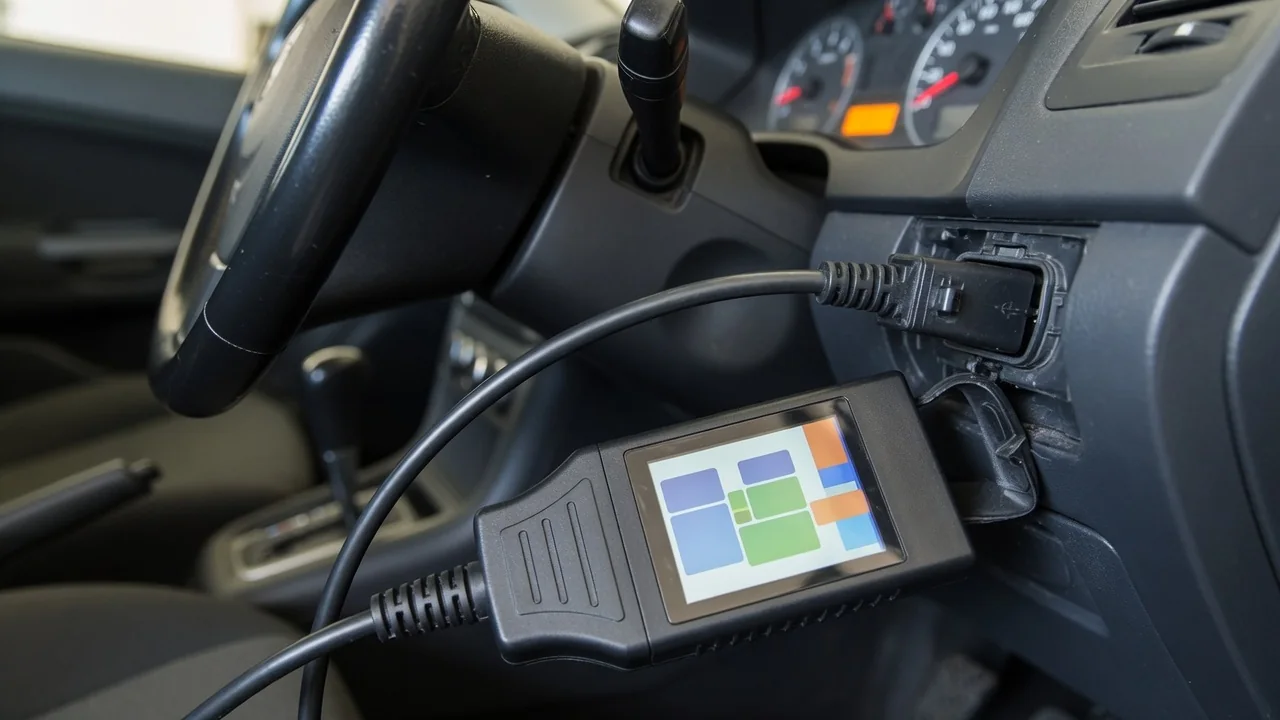
A P1383 code is a manufacturer-specific diagnostic trouble code, which means it does not have a single meaning across all vehicles. Unlike generic P0xxx codes, P1xxx codes are defined by the automaker for a particular model, engine, and model year. When the engine control module detects a reading outside its expected range on a monitored circuit, it stores this code and illuminates the check engine light. Because the definition varies, guessing the cause without confirming the exact vehicle application can lead to misdiagnosis and wasted repairs.
What the P1383 Code Means and Why It Varies by Manufacturer
P1383 belongs to the P1xxx range of OBD-II codes, which are reserved for manufacturer-specific faults. Every automaker can assign this number to a different circuit or system, so the code may indicate anything from a sensor signal issue to a control module software anomaly. The engine computer sets a stored code when it sees a value outside the normal operating window, but that does not prove which component failed. A sensor, its wiring, the part being monitored, or the control module itself can all create the same numeric code.
Generic code-lookup tools often list one common definition for P1383, but that definition may be wrong for your vehicle. Relying on a universal meaning can send you toward unnecessary parts replacement. The same code number can appear on different brands with completely unrelated causes, and even within one brand it can change between model years or engine families. Always treat a stored code as a starting point for vehicle-specific diagnosis, not a conclusion about a faulty part.
How to Confirm the Exact P1383 Definition for Your Vehicle
The only reliable way to confirm the exact P1383 definition is to use factory service information or a professional-grade scan tool that can read manufacturer-specific codes for your VIN. A dealer or an independent shop with the right subscription can access the automaker’s code list and pinpoint testing procedure. A brand-specific scan tool may also reveal whether the code is pending, stored, or permanent, and it can capture freeze frame data showing the operating conditions when the fault occurred.
When retrieving the code, write down every other stored or pending code because related faults change how P1383 should be interpreted. Some control modules set multiple codes for one root cause, while others set a secondary code that only appears after the first is diagnosed. The same numeric code can have different meanings across brands, and sometimes across model years or engines from one brand. Confirming the definition before testing prevents wasted effort on circuits that are not actually involved in the fault.
Symptoms That May Come With a P1383 Code
The check engine light is the most consistent symptom of a stored P1383, and some drivers notice no change in drivability at all. When the fault does affect engine operation, common complaints include rough running, hesitation on acceleration, hard starting, or a drop in fuel economy. These symptoms are general and do not point to one specific definition, but they help a technician understand how the fault behaves in real-world driving. No symptom by itself confirms the P1383 meaning without vehicle-specific data.
Certain symptoms mean the driver should stop and seek help immediately. A flashing check engine light indicates a misfire severe enough to damage the catalytic converter, so continued driving is not safe. Stalling, overheating, or warning messages for reduced power also require immediate attention. Note when the symptom appears—cold start, highway speed, or idle—because the conditions that trigger the fault help narrow down the possible cause. Write down the exact conditions, including outside temperature and engine load, before visiting the shop.
Possible Causes to Narrow Down Once the Definition Is Known
Once the P1383 definition is confirmed for your vehicle, the possible causes fall into a few general groups. The fault may involve a sensor that provides input to the engine control module, the wiring and connectors between that sensor and the module, the component being monitored, or the control module itself and its software. A code seldom points to one failed part, so swapping parts on a guess usually wastes money. Even when a sensor is named in the code description, the sensor may be working correctly while the circuit has a poor connection.
Low battery voltage, poor grounds, or recent repair work can also set or affect sensor-related codes. If a connector was disturbed during another service, a pin may be bent or not fully seated. Corroded battery terminals can cause voltage drops that make sensor readings look out of range. Do not cite fault rates, part numbers, or compatibility claims unless they come from verified vehicle-specific information. The goal is to narrow the fault to a circuit, then test that circuit with the factory procedure rather than replacing parts blindly.
Safe Checks You Can Do Before Visiting a Shop
Some low-risk checks can be done with the engine off and cool before visiting a shop. Look for loose or damaged connectors, chafed wiring, signs of rodents, or fluid leaks near the component named in the confirmed P1383 definition. A disconnected or partially seated connector can cause an intermittent signal that sets a code only under certain conditions. Check the battery condition and terminal cleanliness as a simple first step, because low voltage or a poor ground can make sensor readings erratic.
Avoid probing live circuits, disconnecting airbag or high-voltage systems, or working near moving engine parts. A visual check has limits: a clean-looking connector can still have an intermittent fault inside the terminal or wire. Corrosion may be hidden under insulation or inside the connector body. If the visible wiring looks intact but the code persists, professional testing with a digital multimeter and an oscilloscope may be needed to find a fault that does not appear during a static inspection.
Repair Options and When Professional Testing Is Needed
A technician approaches a P1383 code by first confirming the definition in factory service information. The repair process may include pinpoint tests from the automaker’s procedure, circuit checks with a multimeter, live data review with a scan tool, and a search for technical service bulletins that address the specific fault. The repair might be as simple as repairing a wire or cleaning a connector, or it could require replacing a sensor, another monitored component, or updating module software. No part should be replaced until testing confirms it is the cause.
Professional diagnosis is recommended when the code comes back after a repair, when other codes are present, or when the vehicle runs poorly. Multiple stored codes can interact, and clearing them without addressing the root cause usually results in a returning check engine light. Before approving any parts, ask the shop for the confirmed P1383 definition and the test results that point to the recommended repair. A good shop will explain which circuit was tested, what values were found, and why the part is suspect, without quoting specific prices.
Clearing P1383 and Confirming the Repair Worked
Clearing a P1383 code without repairing the underlying fault only hides the problem. The engine control module stores the code and may keep it permanent until the correct drive cycle is completed. Even if the light goes off, the code can return after one or more drive cycles once the monitoring conditions are met again. The only way to confirm a repair worked is to perform the manufacturer’s drive cycle and check that the readiness monitors have run to completion.
Readiness monitors are internal self-tests that the engine control module runs under specific driving conditions. These conditions differ by manufacturer and sometimes by engine, so a generic drive cycle may not set all monitors. After a repair, watch for the check engine light returning and recheck for pending codes after normal driving. Some emissions inspections will fail a vehicle with incomplete monitors right after codes are cleared, because the control module has not yet proven that all systems are functioning.