P1379 Code: Meaning, Causes and How to Fix It
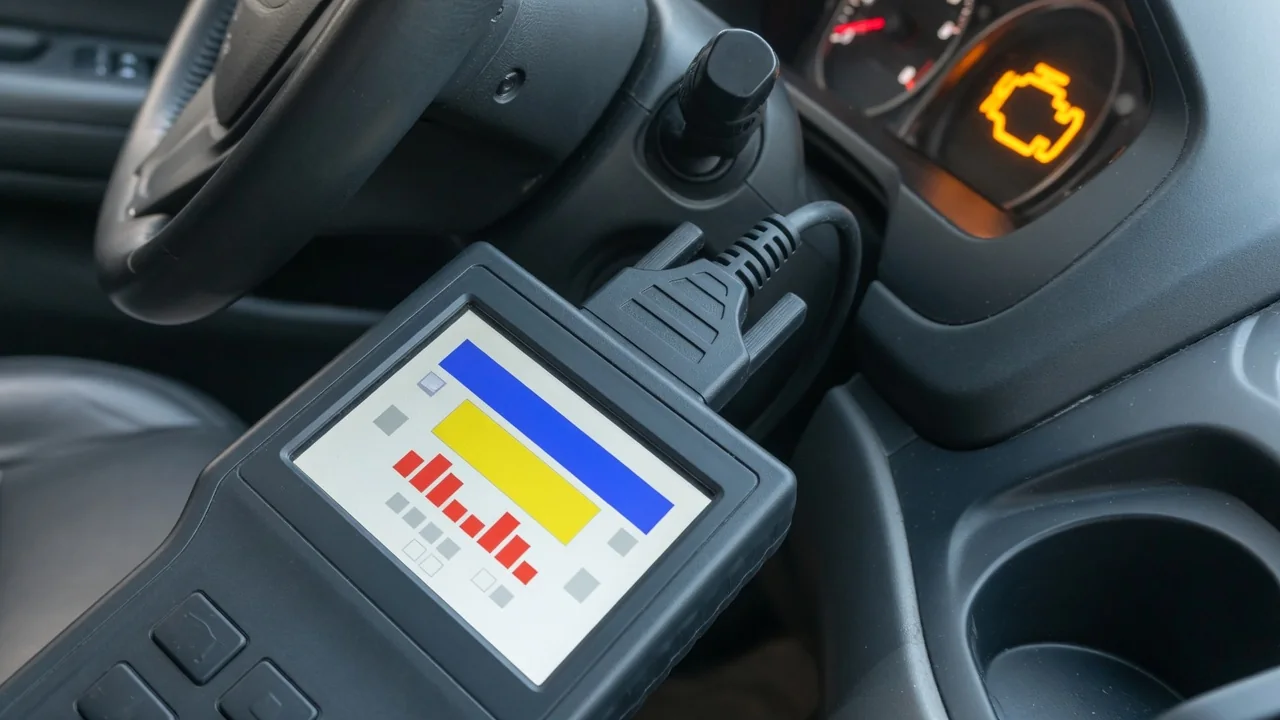
A P1379 code appears when the engine control module detects a fault in a manufacturer-defined subsystem, but the specific meaning changes between brands because it uses the P1 enhanced diagnostic range. You need factory information or a capable OBD-II scanner to decode it correctly. This guide explains how to verify the definition, recognize possible symptoms, and approach diagnosis without guessing.
What P1379 Means and Why the Definition Depends on the Manufacturer
P1379 is a manufacturer-specific trouble code, not a universal standard like P0300. The P1 prefix means each automaker can assign its own meaning, so the same code may point to a fuel pump control circuit on one vehicle and an ignition coil issue on another. Without the exact factory definition for your make, model, year, and engine, generic explanations are unreliable.
To decode P1379 correctly, start by reading the code with an enhanced scan tool that can display OEM descriptions. Write down the freeze frame data—engine speed, coolant temperature, load, and fuel trims—along with any other stored codes. Do not clear anything until this information is saved, because the freeze frame shows the operating conditions when the fault first appeared.
Symptoms Drivers May Notice With a P1379 Code
The check engine light is the most common symptom with P1379, but some drivers may notice no change in how the vehicle runs. Because this code is manufacturer-defined, the exact symptom set depends on the affected system. A sensor circuit glitch may only produce an illuminated light, while a fuel or ignition-related definition could cause noticeable drivability changes.
General signs worth noting include rough idle, hesitation during acceleration, hard starting, stalling, or reduced power. These symptoms are not specific to P1379 and can appear with many faults, so they are only clues, not proof of a particular cause. If the check engine light flashes or the vehicle stalls or loses power suddenly, limit driving and get the car checked soon.
Possible Causes to Consider Once the Definition Is Confirmed
Possible causes for P1379 cannot be narrowed down until you know the exact vehicle-specific definition. In most manufacturer-specific codes, the fault lies in a sensor, its wiring and connectors, a circuit or ground problem, a mechanical condition, or a module and software issue. The code tells the computer saw a value out of range, but not which part is bad.
Related codes stored at the same time often point to the affected system better than P1379 alone. For example, a P1379 definition that involves a fuel pump control circuit might be accompanied by a fuel pressure sensor code. Record every code and use the complete set to guide diagnosis, but avoid assuming one cause is most common across all vehicles.
Safe Checks You Can Do Before Visiting a Shop
Before visiting a shop, read and save all codes and freeze frame data with an OBD-II scanner. A tool that can read enhanced manufacturer codes will show the exact P1379 definition for your vehicle. This record is valuable because the technician can see the speed, temperature, and load conditions when the fault occurred, which helps reproduce the problem.
With the engine off and cool, visually inspect accessible wiring and connectors. Look for loose plugs, damaged insulation, chafed wires, or signs of rodent damage near the engine harness. Also check the battery terminals and ground connections, because low voltage can trigger misleading codes. After documenting everything, you may clear the code to see if it returns, but clearing does not repair the fault—it only erases the stored evidence.
What Code Readers Cannot Tell You
A code reader tells you where the computer detected a problem, not which part has failed. P1379 does not mean a specific component is defective; it means a circuit reading fell outside the expected range. Replacing a part based only on the code description often wastes money and may not fix the underlying issue, such as a wiring problem or a connector fault.
Intermittent faults may not appear during a quick check. The fault could be sensitive to heat, vibration, or moisture and only occurs under specific driving conditions. In such cases, data logging or a technician road test is needed. Additionally, some vehicles may have technical service bulletins or software updates that address the code, and only a dealer or qualified shop can confirm whether they apply to your VIN.
How Professionals Diagnose and Repair P1379
Professionals begin by confirming the P1379 definition for your exact vehicle through factory service information. Then they follow the diagnostic procedure, which typically involves checking related technical service bulletins, inspecting wiring and connectors, and testing circuits with a multimeter or oscilloscope. Manufacturer-level scan tools can also monitor live data and command specific components to verify operation.
The final repair depends on the confirmed root cause. It might be a simple connector or wiring fix, a component replacement, or a software update. After any repair, the shop should perform a verification drive to confirm the code does not return and that readiness monitors reset. Ask for the test results behind the repair recommendation so you understand why the part was replaced.
Is It Safe to Drive With P1379 and How Urgent Is the Repair
How urgent P1379 is depends on the confirmed definition and how the vehicle is running. If the car drives normally and the light is steady, you may have some time to schedule a diagnosis. However, if you experience stalling, flashing check engine light, overheating, unusual noises, or sudden power loss, stop driving and have the vehicle towed to a repair facility.
Even if the car seems fine, an unresolved code can keep the vehicle from passing an emissions test or inspection readiness check where applicable. Ignoring P1379 may allow a small electrical issue to worsen, leading to more expensive repairs. Getting a prompt diagnosis is the safest way to prevent a minor fault from becoming a breakdown.