P1378 Code: Meaning by Manufacturer, Causes and How to Fix It
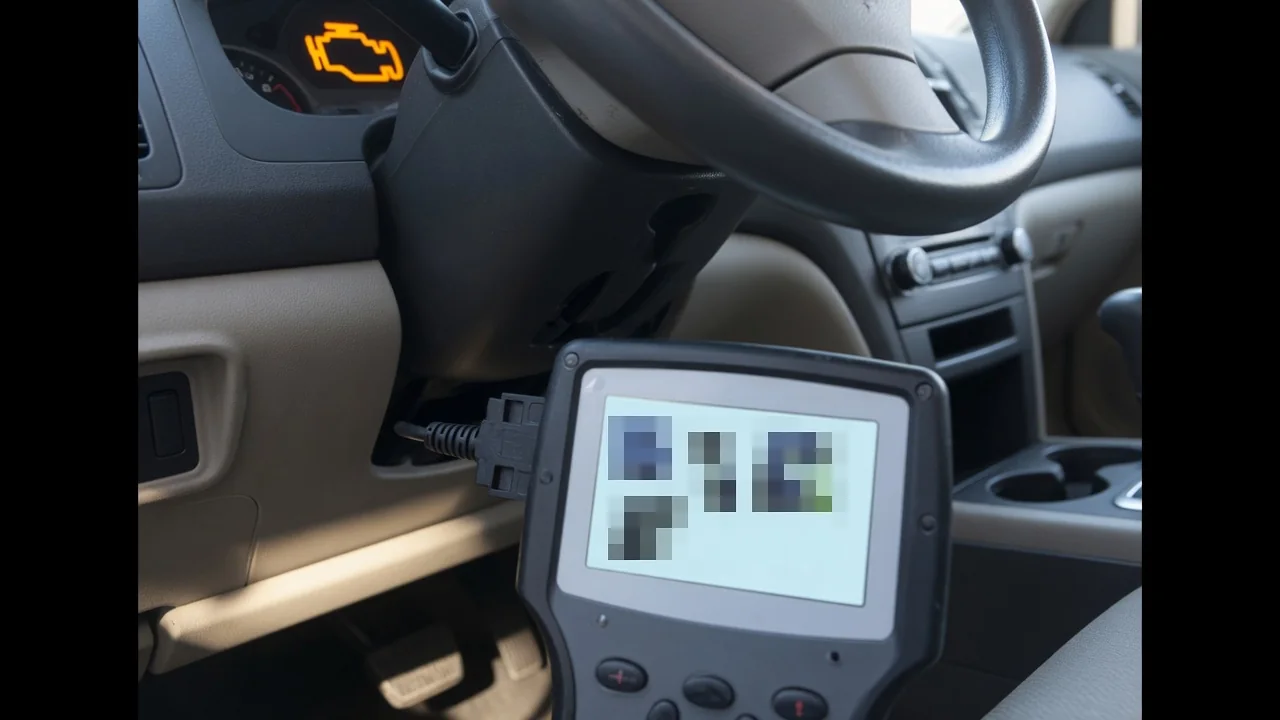
A P1378 code is a manufacturer-specific powertrain fault, meaning its definition varies by vehicle brand. You cannot rely on a single explanation because the P1 prefix leaves room for each automaker to assign its own diagnostic meaning. Reading the code with an OBD-II scan tool is only the first step; the check engine light points you toward a subsystem, but you must confirm what the code means for your exact make, model, year and engine before acting.
What P1378 Means and Why It Depends on Your Vehicle's Manufacturer
The P1 prefix marks a manufacturer-specific powertrain code, so P1378 does not have one universal definition across brands. One automaker may use it for a fuel system or ignition monitor fault, while another ties it to a variable valve timing or turbocharger control circuit. The powertrain control module stores the code when a monitored value falls outside an expected range, but the meaning is defined by that vehicle's engineering standards.
To interpret the code correctly, confirm the definition for your make, model, year and engine. Reliable sources include factory service information, a dealer, or a scan tool that reads enhanced manufacturer codes. Generic online code lists may show a definition meant for a different brand, which can lead to the wrong repair. Treat any brand-specific meaning as applying only to that manufacturer and verify it before buying parts.
Symptoms Drivers May Notice When P1378 Is Stored
Symptoms depend on which system the manufacturer ties P1378 to, and some vehicles may show only a check engine light. When the fault is minor or intermittent, the computer can store a pending code without an obvious change in driving feel. If the problem affects fuel delivery, ignition timing, or airflow, you might notice a rough idle, hesitation on acceleration, or hard starting, but these signs are not certain for every P1378 definition.
Write down when any symptom appears: cold or warm engine, idle or load, and whether it is constant or comes and goes. A flashing check engine light or a sudden major loss of power means the driver should stop driving and have the vehicle checked promptly. If the light is steady and the car runs normally, you can plan a diagnosis, but do not ignore the code for a long time.
Possible Causes Once the Code Definition Is Confirmed
The likely causes follow from the confirmed definition, so the list of causes will differ between manufacturers. In general, consider a sensor or its signal, wiring and connectors, a related mechanical condition, or control module software. A faulty crankshaft position sensor, a damaged camshaft actuator circuit, or an intermittent wiring harness connection could all store a manufacturer-specific P1378, depending on the vehicle.
Remember that a code shows where the computer saw a fault, not which part failed. Replacing parts from the code alone is often a waste of money. Other stored codes and freeze frame data can help narrow down the cause. For example, if multiple codes point to the same sensor or circuit, that area becomes a stronger suspect. Do not assume how common any cause is or list specific part numbers without consulting the vehicle's service information.
Safe Checks You Can Do Before Visiting a Shop
Before visiting a shop, read and record all stored and pending codes plus freeze frame data, then avoid clearing the memory until you have the information written down. With the engine off and cool, look for damaged, loose or corroded connectors and chafed wiring near the components related to your confirmed P1378 definition. A visual inspection can reveal a cracked connector, a rubbed-through wire, or a poor ground connection.
Contact a dealer or look up the VIN to check whether the vehicle has technical service bulletins, software updates, or other open campaigns that match the code. Clearing the code without a repair only hides the problem and resets readiness monitors, which may delay an accurate diagnosis. If you do clear it, watch whether the fault returns under the same conditions, and leave out any testing that involves moving engine parts, fuel systems, high voltage, or a running engine.
When P1378 Needs Professional Diagnosis
Confirming many manufacturer-specific faults takes factory test procedures, specification values and dealer-level scan tools. A generic code reader often cannot access the enhanced diagnostic data or perform bidirectional controls needed to prove a part is faulty. If P1378 keeps coming back, drivability symptoms are present, several related codes are stored, or no visible fault is found, a professional diagnosis is the most efficient next step.
Give the technician all stored codes, freeze frame data, when the symptoms happen, and recent repair history. Guessing from symptoms alone can lead to replacing good components, because similar signs may come from different sources. A technician's pinpoint tests measure actual signal voltages, circuit resistance, and control module outputs, which gives a more reliable answer than matching symptoms from an online list.
How P1378 Is Typically Fixed and Verified
There is no single standard repair for P1378 because the fix depends on the confirmed definition and the failed part or condition. After diagnosis, the repair may involve fixing wiring or connectors, replacing a faulty component that failed testing, or updating module software. For example, a shorted sensor circuit might require a new harness section, while a software calibration issue might need a reflash from the dealer.
To verify a repair, clear the code and then drive under conditions that allow the related monitor to run. A complete drive cycle often includes cold start, warm-up, steady cruising and an idle period, but the exact requirements vary by vehicle. Do not quote or rely on repair costs without a written estimate from a shop that has diagnosed the vehicle, because labor rates and parts prices vary widely.
Can You Keep Driving With a P1378 Code?
Whether it is safe to keep driving with a P1378 code depends on the confirmed definition and the symptoms, not on the code number alone. If the check engine light is flashing, the engine is stalling, overheating, making unusual noises, or has a major loss of power, stop driving immediately. A steady light with normal operation may allow a short trip to a shop, but the fault could become worse.
Even a stored code with no noticeable symptoms can cause an emissions or inspection failure in some areas, because readiness monitors may not run to completion. Schedule a diagnosis soon rather than ignoring the code for a long time. Intermittent faults can become harder to find as conditions change, and a small electrical issue can damage other components if left unresolved.