P1377 Code: Meaning, Causes and How to Fix It
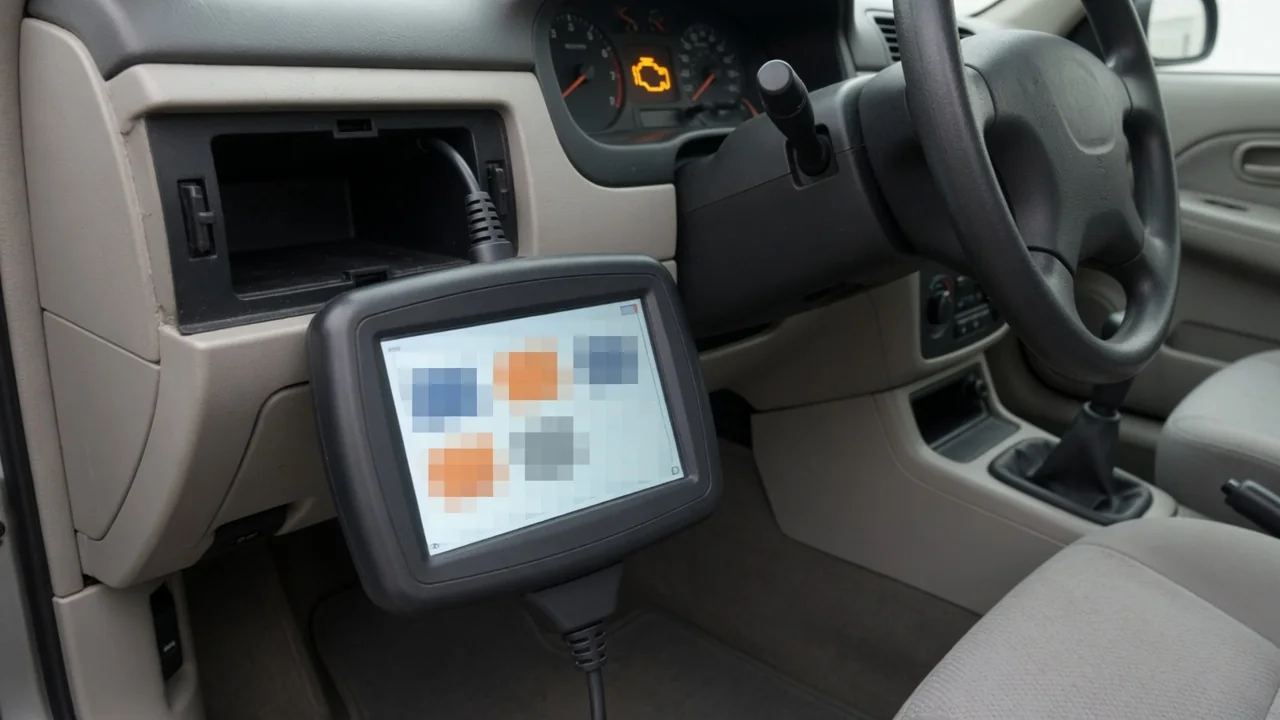
A P1377 code can be confusing because it means different things on different vehicles. Unlike generic P0xxx codes, this is a manufacturer-specific trouble code, so the definition depends on your make, model, year, and engine. Ignoring a generic online description can lead to misdiagnosis. To address it properly, you need the vehicle-specific meaning from an enhanced OBD-II scan tool, factory service information, or a dealer. Once confirmed, understanding the possible causes and safe checks helps you decide whether this is a DIY inspection or a job for professional diagnosis.
What P1377 Means and Why the Definition Depends on Your Vehicle
P1377 belongs to the P1xxx range, which automakers use for their own enhanced diagnostic codes. There is no universal definition, so the same code can point to entirely different circuits on a Ford versus a BMW. On some applications, published descriptions relate to an engine position sensor signal or a timing reference pulse, but that does not apply to every vehicle. Treat any code lookup as a starting point, not a conclusion, until you confirm the description for your exact powertrain.
A scan tool that reads manufacturer-specific data will display the correct definition for your vehicle. Factory service information or a dealer can also confirm whether the code refers to a camshaft position correlation, a crankshaft signal issue, or another fault entirely. Do not rely on generic online code lists, because they often mix definitions from different platforms. Vehicle-specific confirmation is the first step in avoiding wasted time and unnecessary parts replacement.
Symptoms Drivers May Notice With P1377
Depending on what P1377 means on your vehicle, you may notice a check engine light along with drivability problems such as rough running, hesitation, hard starting, or stalling. These symptoms often occur because an engine position signal fault affects ignition timing or fuel delivery. However, on some vehicles the only sign is the warning light, with no noticeable change in performance. The exact behavior depends on the specific system involved.
Pay attention to whether the check engine light is steady or flashing. A flashing light indicates a misfire that could damage the catalytic converter, so limit driving and get the vehicle checked soon. If the engine stalls or runs very roughly, avoid driving it further. Write down when symptoms appear, such as during a cold start, on a hot engine, after hitting a bump, or in wet weather, because this information helps a technician reproduce the fault.
Possible Causes to Consider Once the Meaning Is Confirmed
Once the meaning is confirmed, possible causes fall into a few categories: a faulty sensor, damaged wiring or connectors, a mechanical timing relationship problem, or a control module and software issue. Do not assume the sensor itself has failed. Damaged, corroded, or loose wiring and connectors can create intermittent signal faults that mimic a bad component, especially when the engine moves or temperature changes.
Some P1377 codes indicate a mismatch between two signals rather than a failed part. For example, a camshaft and crankshaft correlation code may be caused by a stretched timing chain, a slipped reluctor, or a sensor air gap that is out of tolerance. Replacing a sensor without testing the actual circuit and mechanical relationship often leaves the fault unresolved. Mention any recent repairs, such as timing work, battery disconnection, or engine service, because those events can affect learned values or disturb connectors.
Safe Checks You Can Do Before a Shop Visit
Before visiting a shop, you can do a few non-invasive checks. Use a scan tool to read and record the code along with freeze frame data, which captures engine conditions when the fault was set. Note any companion codes, the mileage, and the driving conditions. Do not clear the code yet, because doing so erases the freeze frame information that may be essential for diagnosis.
With the engine off and cool, you can perform a visual-only inspection under the hood. Look for obviously damaged, chafed, or disconnected wiring and connectors near the engine position sensors. Do not unplug components or do any live electrical testing, as improper probing can damage sensitive circuits. Also ask a dealer or check factory resources for technical service bulletins or software updates, without assuming one exists for your vehicle.
Limits of Code Reading and When Professional Testing Is Needed
A code like P1377 tells you which circuit or diagnostic check failed. It does not name the specific part to replace. Professional diagnosis may involve checking sensor signal patterns with an oscilloscope, performing circuit tests for shorts or opens, and verifying mechanical timing relationships. These steps require training and special tools, and they are beyond a simple code reader.
Seek professional help if the engine stalls, will not start, runs very rough, or if P1377 appears with other codes. Guessing at parts, such as replacing a sensor or control module without confirming the fault, can cost money and still leave the problem unresolved. A qualified technician can interpret the vehicle-specific meaning, test the system properly, and identify the root cause instead of just swapping components.
How P1377 Is Typically Resolved and Verified
The correct fix depends on the confirmed code meaning and test results. It could be as simple as repairing a chafed wire or tightening a connector. In other cases, a sensor may need replacement, a mechanical timing issue may require correction, or a control module may need a software update. No single repair applies to every vehicle with P1377.
After the repair, a relearn or calibration procedure may be necessary on some vehicles, such as a crankshaft position sensor variation learn. This should be done by a qualified technician with the proper scan tool. Verification involves clearing the codes, test driving under the conditions where the fault appeared, and confirming the code does not return. Keep your repair records in case the problem comes back or turns out to be intermittent.