P1366 Code: Meaning, Causes and How to Fix It
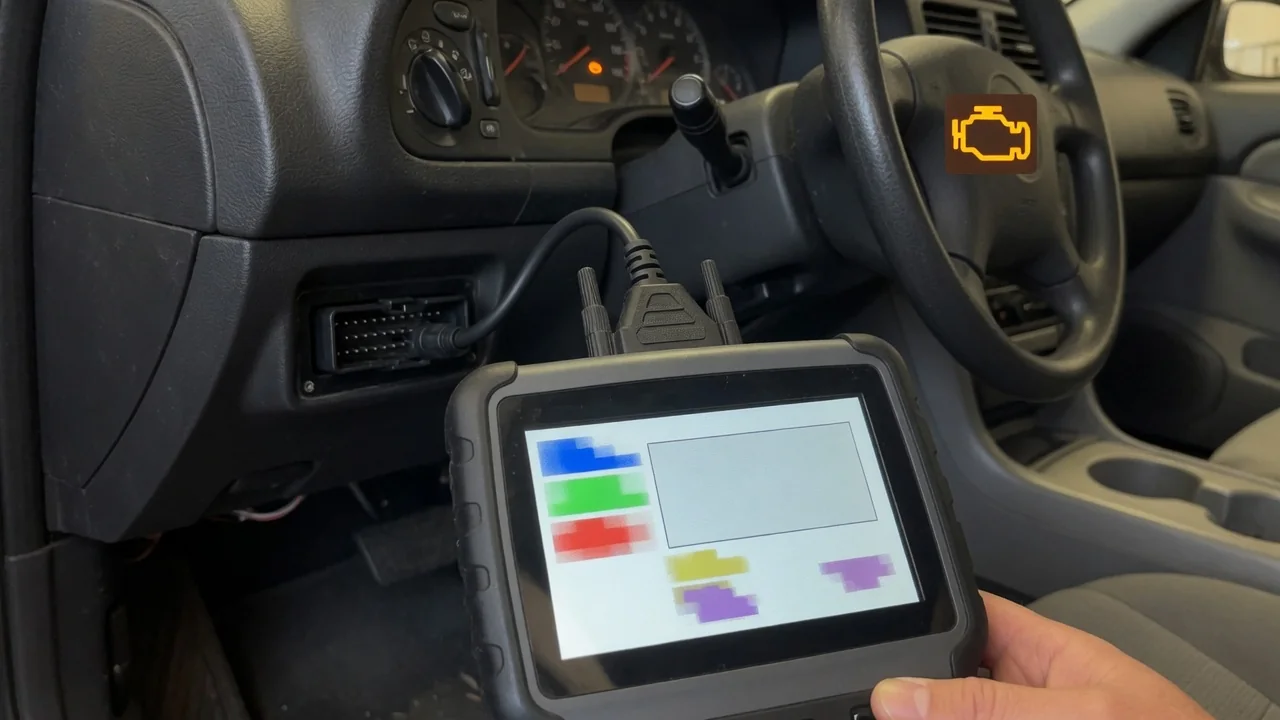
Seeing a P1366 code can be confusing, because the P1xxx range is controlled by each vehicle manufacturer rather than one universal standard. On some cars, it points to an ignition or variable valve timing circuit; on others, it refers to a transmission or emissions component. Before replacing anything, you need the precise definition for your make, model, year, and engine. This guide explains how to interpret the code, what symptoms to watch for, and how to approach diagnosis and repair without guessing.
What P1366 Means and Why the Definition Depends on the Manufacturer
P1366 is a manufacturer-specific diagnostic trouble code. Unlike generic P0xxx codes with fixed meanings, automakers can assign P1xxx numbers to anything they choose. Therefore, the same code on a Honda, Ford, or Toyota may describe completely different systems, and even different engines within one brand can have unique definitions. A generic code reader may display only “Manufacturer Control” or a vague label, which is not enough to start diagnosis.
The correct definition comes from a scan tool with OEM-level software, the factory service manual, or a qualified technician at a dealer or independent shop. These sources tie P1366 to a specific circuit, sensor, or module on your vehicle. Generic internet lists often show one interpretation that may be wrong for your car. Remember that the description points to the system to inspect; it never tells you which part has failed.
Symptoms Drivers May Notice When P1366 Is Stored
Depending on what system P1366 refers to, you may notice a check engine light alone or accompanied by drivability problems. Some drivers report rough idle, hesitation during acceleration, stalling, or reduced fuel economy. Others feel a loss of power under load or hear unusual sounds from the engine. Because the code can involve ignition, fuel, or emissions hardware, the symptoms should be noted exactly when they occur.
Many vehicles store P1366 without any obvious change in behavior apart from the warning light. Write down whether symptoms happen on a cold start, after warm-up, at idle, or under acceleration. A steady check engine light means you should schedule diagnosis soon, but a flashing light indicates a misfire severe enough to damage the catalytic converter. In that case, reduce driving and have the vehicle checked promptly.
Possible Causes Depending on the Confirmed Definition
The root causes of P1366 depend entirely on the confirmed definition for your specific vehicle. In general, sensor or circuit codes can be set by damaged wiring, corrosion in connectors, a short or open circuit, or a failed sensor or actuator. Sometimes the issue is inside the powertrain control module, or a software fault produces a false code. There is no single “most common” cause that applies across all makes and models.
Always review all stored and pending codes together. A secondary code for a shared power supply, ground, or communication bus can reveal that one wiring fault is causing multiple symptoms. Freeze frame data may show whether the code set at a particular temperature or engine speed, which helps narrow the conditions. Without that context, replacing a part based only on P1366 is guesswork.
Safe Checks You Can Do Before Visiting a Shop
Before visiting a repair shop, record the freeze frame data and write down every stored and pending code. Then, with the engine off and cool, inspect accessible wiring harnesses and connectors related to the system named in the P1366 definition. Look for chafed insulation, loose plugs, corrosion, or signs of rodent damage. Do not attempt to probe circuits or remove components beyond simple visual checks.
If you have recently had repairs, installed aftermarket accessories, or replaced the battery, note that. A disturbed connector or a blown fuse from that work could explain the code. Clearing the code and driving to see if it returns is useful information for a technician, but it does not fix anything. The underlying fault still exists and may reset during the next drive cycle.
Limits of DIY Diagnosis and When Professional Testing Is Needed
Conclusive diagnosis of a manufacturer-specific code often requires factory test procedures, specified voltage or resistance values, and sometimes a lab scope. Without the correct service information, you can easily misdiagnose a wiring issue as a sensor failure. Replacing a component based on the code alone frequently wastes money and leaves the real problem untouched. Professional tools and training are especially important for intermittent or module-related faults.
Seek professional help if the check engine light is flashing, the vehicle stalls or hesitates in traffic, or the code keeps returning after previous repairs. A shop with the right equipment can monitor live data and run bi-directional tests to confirm which part is faulty. Ask the technician to explain specifically which test results pointed to the failed component, not just which code they read.
How P1366 Is Typically Fixed Once the Cause Is Confirmed
Once the confirmed definition and testing identify the faulty circuit or component, the repair may involve splicing a damaged wire, replacing a connector, installing a new sensor or actuator, or updating the powertrain control module software. The proper fix for a Honda P1366 may be completely different from the fix for a BMW P1366, so the confirmed meaning is the first step.
Before replacing hardware, ask the dealer whether any technical service bulletins or software updates apply to your vehicle. Some P1366 issues are corrected by reprogramming rather than new parts. After the repair, the technician should clear the codes, perform the specified drive cycle, and verify that the readiness monitors set. If the code does not return and the monitors complete, the fix is considered successful.
Is It Safe to Keep Driving With P1366?
Whether you can keep driving with P1366 depends on the confirmed meaning and how the vehicle behaves. If there are no symptoms and the light is steady, a short trip to a shop may be acceptable, but have it diagnosed soon. Hesitation, stalling, rough running, or a flashing check engine light mean you should limit driving to avoid unsafe conditions or damage to the catalytic converter.
An unresolved code may also cause the vehicle to fail an emissions inspection where one is required. Moreover, ignoring the underlying problem can allow more fault codes to appear as related components are stressed. Addressing P1366 promptly, and confirming the repair with a drive cycle, protects both your car and your wallet from more extensive repairs later.