P1364 Code: Meaning by Manufacturer, Symptoms, Causes and Safe Next Steps
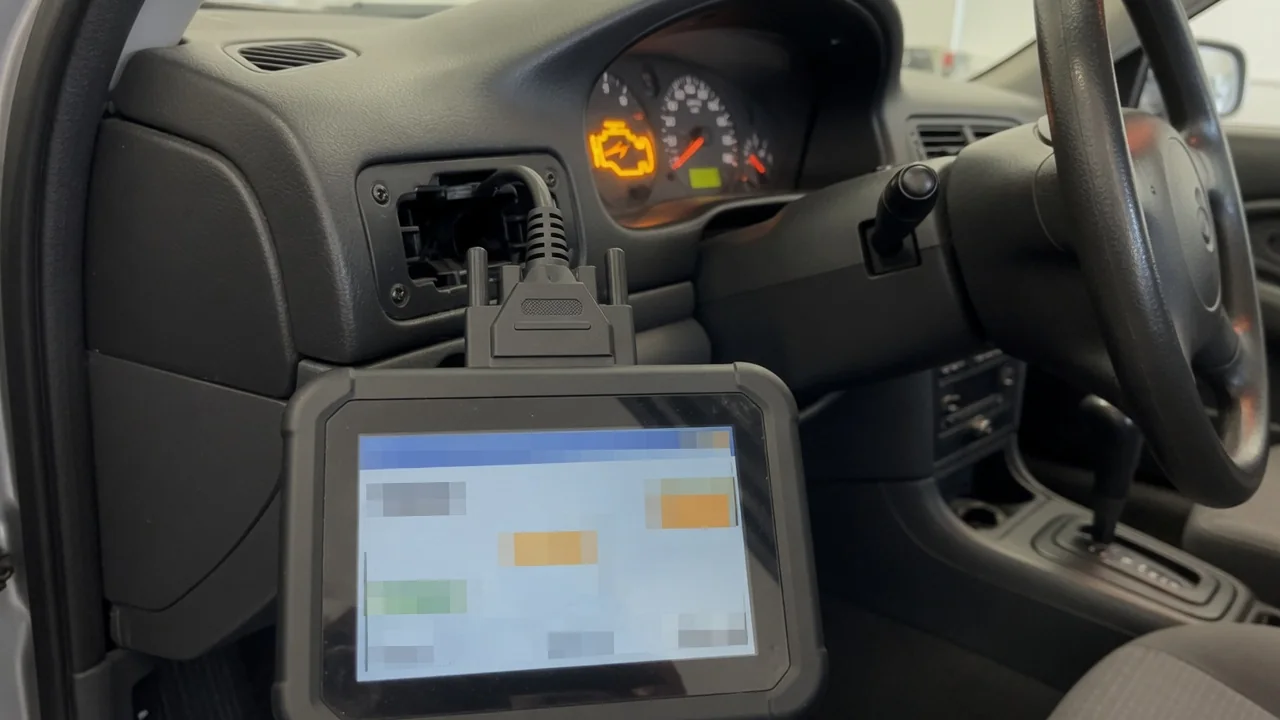
A P1364 code appears when the powertrain control module detects an issue on a manufacturer-defined circuit, but the specific meaning changes by brand, model, year, and engine. Because P1xxx codes are vehicle-specific, the same number can point to different systems on a Ford versus a Hyundai or Toyota. Drivers may notice the check engine light, rough running, or no symptoms at all. Accurate diagnosis starts with retrieving enhanced diagnostic data and freeze frame information from an OBD-II scan tool, then confirming the definition in factory service information before any repairs.
What P1364 Means and Why the Definition Depends on Your Vehicle
P1364 belongs to the P1000–P1999 range reserved for manufacturer-specific codes, so there is no universal definition. On one vehicle it might relate to an ignition coil circuit, while on another it could involve a variable valve timing actuator, and on a third it may have a different meaning entirely. This is why generic code lists and forum posts for a different brand can be dangerously misleading. Only the automaker’s software knows exactly which circuit, sensor, or actuator that number maps to for your exact configuration.
To confirm the meaning, connect a professional-grade scan tool that can read enhanced manufacturer data, not just generic OBD-II. The tool should display the code descriptor and any sub-codes along with freeze frame data from when the fault occurred. If the tool lacks manufacturer-specific definitions, consult factory service information or a dealer-level resource. Never assume a definition from a similar engine or model year; even minor production changes can reassign the code. Write down the exact definition before proceeding.
Symptoms Drivers May Notice With a P1364 Code
The check engine light may illuminate steadily to indicate a stored fault that is not immediately critical, or it may flash to signal an active misfire severe enough to harm the catalytic converter. A flashing light means the driver should reduce throttle, avoid heavy loads, and seek service promptly. Other noticeable symptoms can include rough idle, hesitation on acceleration, a noticeable misfire feel, reduced power, or hard starting. Some drivers also experience intermittent stalling or a change in fuel economy.
On many vehicles, however, P1364 sets without any obvious drivability change. The engine may run smoothly, and the only clue is the illuminated warning lamp discovered during a routine scan or inspection. Symptoms are valuable clues but cannot confirm the cause on their own. A smooth-running engine does not rule out a circuit fault, and a rough idle does not prove which component has failed. The symptom pattern simply helps a technician prioritize the diagnostic path.
Possible Causes to Consider Once the Definition Is Confirmed
Once you confirm what P1364 means for your vehicle, you can consider the plausible fault categories. Most manufacturer-defined circuit codes involve a sensor, actuator, or solenoid and its wiring. Common electrical faults include damaged insulation, corroded or loose connectors, broken wires, or a short to ground or voltage. A sensor or actuator may fail internally, or it may be faulty because it is receiving bad power or ground through the wiring. Less often, the control module itself has an internal fault.
Previous repairs are an important clue. A connector left unplugged, a wire pinched during a timing belt job, or a harness rubbing against a bracket can introduce a fault months later. Water intrusion from a leaking seal or pressure washing can corrode terminals and cause intermittent codes. Rodent damage to wiring harnesses is another frequent cause that may be visible as chewed insulation or nesting material. None of these causes should be assumed as the most common; the actual failure depends on the specific system and vehicle history.
Safe Checks You Can Do Before Visiting a Shop
Before clearing the code, record the code number, the freeze frame data, and any other stored codes. Freeze frame shows engine speed, coolant temperature, fuel trims, and other values at the moment the fault was set, which can help later diagnosis. Use a scan tool to capture this data or take a clear photo. Then, with the engine off and cool, you can perform a careful visual inspection. Look for obvious damaged wiring, disconnected or partially seated connectors, and signs of fluid leaks or rodent activity near the engine harness.
Do not handle ignition coils, spark plug wires, or other high-voltage components while the engine is running; some systems can deliver a dangerous shock. Even with the engine off, avoid probing connectors with metal tools unless you know the circuit is de-energized. Clearing the code and watching whether it returns can tell you if the fault is intermittent, but it does not identify the cause and may erase valuable data. Checking official technical service bulletins through a dealer or manufacturer database may reveal known issues, but do not assume one exists for P1364.
When Professional Testing Is Needed
Confirming a circuit fault usually requires wiring diagrams, the manufacturer’s test values, and a digital multimeter or oscilloscope. A technician may unplug the relevant connector and check for correct reference voltage, ground, and signal continuity. Live data from the scan tool can show whether a sensor is responding realistically or is stuck at an implausible value. Component tests, such as measuring coil resistance or actuator movement, must be compared to factory specifications, not a generic range.
If the check engine light is flashing, the engine is running badly, or other warning lights appear, seek professional help immediately. Continuing to drive with an active misfire can damage the catalytic converter and other components. When you visit a shop, ask them to explain what they tested and why a particular part was chosen before you approve replacement. A good technician will show you the test results that point to the failed component rather than replacing parts based only on the code.
How P1364 Is Usually Fixed and Confirmed
The correct fix depends on the verified cause. If the diagnosis finds chafed or broken wires, the repair may involve splicing in a new section or replacing a connector. A failed sensor or actuator is replaced only after testing shows it is out of specification. In rare cases where the control module is at fault, reprogramming or replacement may be needed, but this should be a last resort after all wiring and components check out. Never replace a part simply because the code number suggests it.
After the repair, the technician clears the codes and performs a drive cycle that meets the manufacturer’s conditions for running the monitor. If the code does not return and the symptoms are gone, the repair is considered confirmed. Some vehicles require several drive cycles to set readiness monitors, so a single short trip may not be enough. Repair cost varies widely because it depends on the failed component, the labor time to access it, and local rates; no single price estimate applies to all vehicles with P1364.
Is It Safe to Keep Driving With P1364?
Whether it is safe to keep driving depends on the verified meaning of P1364 and the symptoms present. If the engine is misfiring, the check engine light is flashing, the vehicle stalls, or there is a noticeable loss of power, limit driving to the nearest safe place and arrange service. Continuing to operate with an active misfire can overheat the catalytic converter and cause permanent damage. Even if the car seems to drive normally, the code means a monitored circuit is not performing as expected.
Ignoring an engine fault may lead to additional damage, such as converter failure, increased emissions, or reduced fuel economy, but this risk is not the same for every definition. A circuit code for a minor emissions monitor may be less urgent than one for ignition or camshaft control. Schedule a professional diagnosis promptly, even if the light is steady and the engine runs smoothly. Early electrical repairs are usually less expensive than fixing the secondary damage a persistent fault can cause.