P1360 to P1397 Codes Explained: Manufacturer-Specific Ignition and Sensor Faults
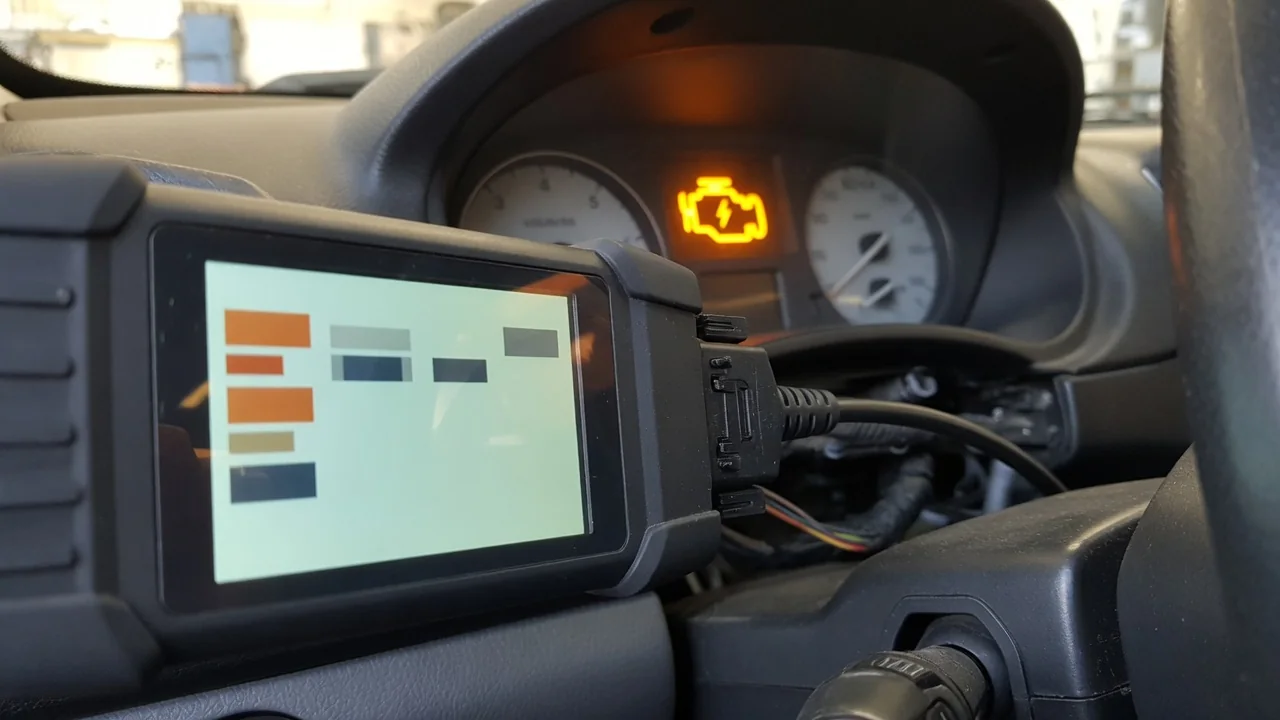
The P1360 to P1397 range is a gray area in OBD-II diagnostics. Unlike standardized P0xxx codes, these P1xxx codes are manufacturer-specific, so the same number can point to unrelated faults on different makes or model years. When a check engine light sets a code such as P1362, P1374, or P1390, confirm the exact definition for your vehicle before guessing. This guide explains the themes behind these codes, how to interpret them safely, and when to seek professional testing.
Why P1360–P1397 Codes Mean Different Things on Different Makes
P1xxx trouble codes let automakers describe proprietary systems that the generic OBD-II list does not cover. Because each manufacturer assigns numbers independently, a P1360 on a Ford may involve an ignition coil circuit, while on a Chrysler it may relate to a crankshaft position sensor. Even within one brand, different engine families can reuse numbers for different functions. No single universal definition exists for P1360 or any code in this range, and forcing a generic meaning onto your vehicle can lead to replacing good parts.
To avoid costly mistakes, always confirm the make, model, year, engine, and VIN-specific definition before interpreting any code from P1360 to P1397. Reliable sources are factory service information, a make-specific scan tool readout, or a dealer or qualified independent shop. Generic code lists often blend definitions from multiple manufacturers, creating confusion. Treat this article as a map of common themes rather than a final diagnosis. When a code from this range appears, look up the exact definition for your vehicle instead of assuming you know what the number means.
P1362, P1364, P1365, P1366 and P1367: Ignition and Timing Signal Themes
Some manufacturers use P1362, P1364, P1365, P1366, and P1367 for ignition circuit, ignition timing, or crankshaft/camshaft signal monitoring. The meaning depends heavily on the make. For example, P1362 on one vehicle might indicate an ignition coil primary circuit fault, while on another it could point to a crankshaft position sensor performance problem. Because P1362 is searched often, check the vehicle-specific definition before assuming it points to a coil, sensor, or wiring fault. Factory service data can prevent unnecessary parts purchases.
Before jumping to conclusions, note the symptoms alongside the code. When the check engine light appears, you might notice rough running, hard starting, stalling, or power loss. If a scan tool shows misfire codes such as P0300–P0306 with a P136x code, the problem may be isolated to one cylinder or systemic. These observations help, but a code naming a circuit or signal does not prove a failed part. Wiring harness connectors, engine control module inputs, and intermittent contact can cause the same code. Record freeze frame data and companion codes before clearing anything.
P1372, P1374, P1375, P1377 and P1378: Crank, Cam and Reference Signal Codes
On some makes, P1372, P1374, P1375, P1377, and P1378 relate to crankshaft or camshaft reference signals, sensor correlation, or ignition control. P1374 is searched often, yet its description changes by manufacturer. On one brand it may refer to a crankshaft position sensor circuit malfunction, while on another it could indicate a camshaft position sensor correlation error. These systems set ignition timing and fuel injection, so a fault in one signal can mimic a fault in the other. Confirm the exact definition for your exact vehicle before forming a theory.
Drivers often report intermittent stalling, cranking without starting, hesitation, or a check engine light that sometimes flashes. A flashing light indicates a severe misfire that could damage the catalytic converter, while a steady light suggests a fault that may not be immediately harmful. These codes often involve weak or missing signals that appear only under specific conditions, making them hard to diagnose without special equipment. Signal and correlation faults usually need an oscilloscope or live-data testing to compare crank and cam waveforms and identify which component is drifting or failing.
P1382 to P1390: Variable Valve Timing, Sensor Circuit and Knock-Related Themes
Codes P1382, P1383, P1386, P1388, P1389, and P1390 are assigned by manufacturers to sensor circuits, variable valve timing control, knock sensing, or ignition module functions. The same number can point to very different systems on different brands. For instance, P1388 on one vehicle might involve an intake camshaft position actuator, while on another it could be a knock sensor circuit fault. Therefore, after reading any code in this subgroup, look up the vehicle-specific definition in factory service information or via a dealer.
You can perform safe checks without repair work. Note the engine oil level and condition, since variable valve timing systems rely on oil pressure and clean oil to operate solenoids and actuators. Inspect wiring and connectors around the valve cover, engine front, and knock sensor area for damage or looseness. Record when the code sets—under acceleration, at idle, when cold—and whether it returns after clearing. Clearing a code and waiting for it to come back shows whether the fault is active or stored, but it does not fix anything. These codes often appear with related codes that guide diagnosis.
P1396 and P1397: Upper-Range Sensor and Signal Fault Codes
P1396 and P1397 have manufacturer-dependent meanings, sometimes linked to crankshaft or camshaft signal variation or sensor circuits. On some vehicles, P1396 may indicate a crankshaft position sensor learned value error, while P1397 could point to a camshaft position sensor circuit problem. Without the exact definition, these numbers are ambiguous. Drivers may notice a check engine light with little change in how the car drives, or intermittent rough running and stalling. In many cases, the code is stored without obvious drivability symptoms.
A code in this range does not confirm a failed sensor. Related wiring, tone wheels, or learned values may be involved depending on the make. For example, a damaged crankshaft tone wheel tooth may send an erratic signal, setting a code that appears to blame the sensor. Similarly, if the engine control module lost learned idle or timing values after a battery disconnect, it might set a temporary code. Note any recent repairs, battery disconnects, or replacement of timing components, sensors, or ignition parts, as that history matters to a technician.
Shared Symptoms, Common Causes and What You Can Safely Observe
Across the P1360 to P1397 range, common cause categories include ignition components, position sensors, wiring and connectors, variable valve timing control solenoids, and engine control module inputs. Safe observations include how the engine starts and idles, whether the check engine light is steady or flashing, fuel economy changes, and any related codes. Write down conditions when the light came on—temperature, throttle position, engine load—because these patterns help diagnosis.
A flashing check engine light or a severe misfire means limit driving and have the vehicle checked promptly. Continued operation can overheat and damage the catalytic converter. Avoid replacing parts based only on a generic code list; many people replace a crankshaft sensor when the real problem is a chafed wire or failing ignition coil. That wastes money and does not fix the fault. Use the code as a starting point, not a shopping list.
How to Look Up Your Exact Code Definition and When to Get Professional Testing
To look up your exact code definition, record the full code and its status—stored, pending, or permanent. Write down the VIN, since many manufacturer code definitions are VIN-specific. Check factory service information through subscription services or repair manuals, or call a dealer and ask for the definition for your VIN. A dealer or qualified shop with a factory-level scan tool can often display the definition directly, along with live data and freeze frame information. Do not rely on a basic code reader that only displays the number.
A basic code reader may show P1362 but cannot tell whether it means an ignition coil circuit fault or a camshaft sensor issue. A professional scan tool reads manufacturer-specific codes, displays live data, and captures freeze frame data—the sensor values when the code set. Seek professional testing if the vehicle stalls, fails to start, has a flashing check engine light, codes that return after clearing, or several related codes. Accurate diagnosis may involve circuit testing, waveform analysis, or controlled actuation. No brief code definition can replace that step.