P1358 Code: Meaning by Manufacturer, Symptoms, Causes and Fixes
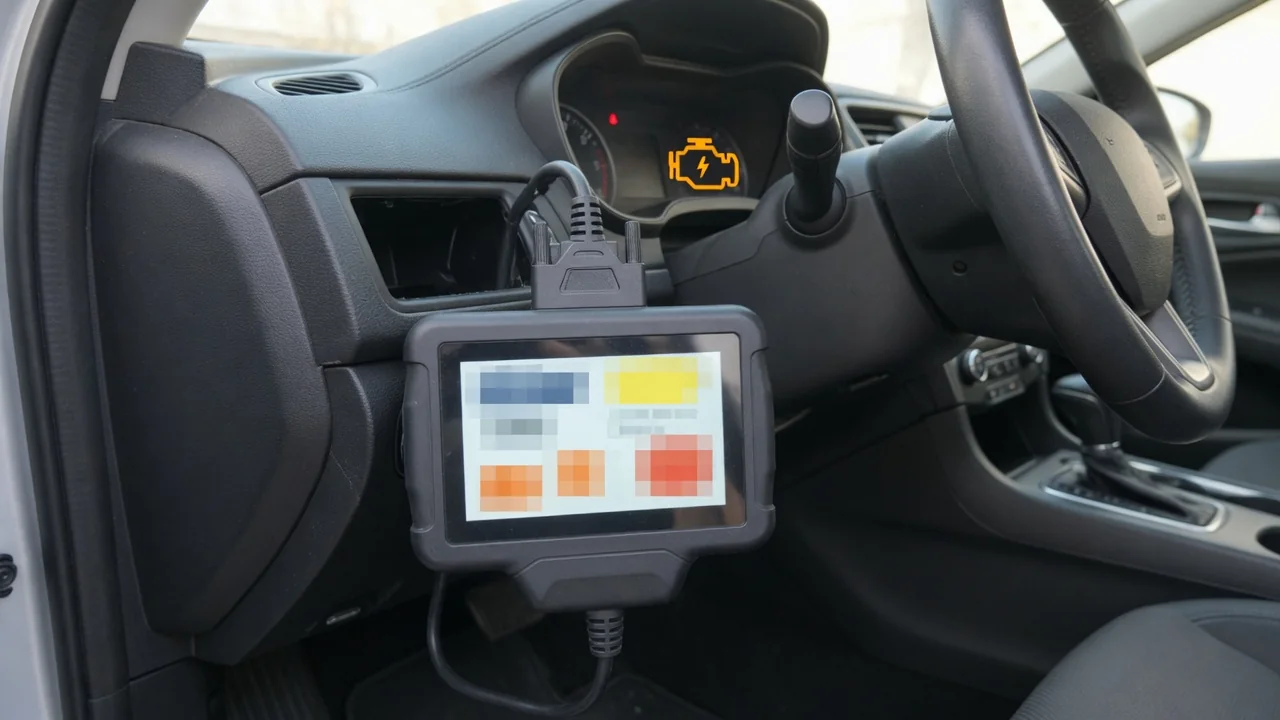
A P1358 trouble code can be confusing because its meaning changes from one vehicle to another. Unlike generic diagnostic trouble codes, this is a manufacturer-specific powertrain code, so the exact fault depends on your make, model, engine and year. A basic OBD-II scan tool may only display a vague description, but the code points to an issue that the engine control module has detected. Understanding what your vehicle’s manufacturer defines for P1358 is the first step before interpreting symptoms or choosing repairs.
What P1358 Means and Why the Definition Depends on Your Vehicle
P1358 falls into the P1xxx range, which carmakers reserve for their own special applications. That means a code reader cannot give you one universal explanation unless it has enhanced software for your specific vehicle. The same code may relate to entirely different systems on different brands, so the definition shown on a generic scanner is often incomplete or misleading. You should check the scan tool’s enhanced readout or find the official service information for your exact make, model, engine and year before drawing any conclusions about what is wrong.
Because the meaning is not fixed, do not assume that a description from an online forum or another vehicle applies to yours. Even the phrase “manufacturer-specific” on a scan tool is simply telling you that the code is outside the standardized federal list. Without the confirmed manufacturer definition, you cannot know whether the fault involves the ignition, fuel, emissions or another control circuit. Treat the code as a starting point for diagnosis, not as proof that a particular part has failed.
Symptoms Drivers May Notice With a P1358 Code
The symptoms you feel with P1358 depend on the component or circuit the manufacturer has tied to this number. Some drivers notice a check engine light with rough running, hesitation that feels like a misfire, or even stalling under load. Others may detect reduced engine performance, especially when accelerating or climbing a hill. In many cases, the only obvious sign is the warning light itself, and the vehicle continues to drive normally. Keeping notes on when the problem occurs—cold start, idle, heavy throttle, or wet weather—gives a technician useful clues.
A steady check engine light usually indicates a fault that needs attention but may not demand an immediate stop. A flashing check engine light means the engine control module is seeing a condition severe enough to damage the catalytic converter or engine, often a hard misfire. If the light flashes, you should reduce engine load, avoid wide-open throttle, and arrange for prompt inspection. Continuing to drive while the light flashes can allow unburned fuel to enter the exhaust, which may overheat the catalyst and worsen the repair cost.
Possible Causes Once the Manufacturer Definition Is Confirmed
Once you have confirmed the manufacturer’s definition for your vehicle, the possible causes become much clearer. Broad categories often appear behind manufacturer-specific engine codes, but your actual fault will match the system named in the service information. Wiring or electrical connector problems, such as chafed insulation, pushed-back terminals or corrosion, can interrupt signals. A sensor or its signal circuit may be out of range, or an ignition-related component may show erratic behavior. In some cases, the engine control module itself may fail to execute a strategy correctly, but that is usually tested last.
Look at any other diagnostic trouble codes stored at the same time because they frequently point to the real issue. For example, a P1358 accompanied by a specific cylinder misfire code reduces the target area for testing. Avoid acting on a list of “most common causes” without checking your own vehicle’s definition first. Using a part cannon—guessing and replacing parts without electrical testing—can create new problems and waste time. The code tells you where to measure, not what to buy.
Safe Checks You Can Do Before Visiting a Shop
Before visiting a shop, you can safely gather information that will speed up the diagnosis. Read and record all stored and pending codes with your scan tool, along with the freeze frame data that shows engine conditions when the fault was first seen. Do not clear the codes yet; that data disappears when you erase them. With the engine off and cool, visually inspect wiring and connectors near the engine for obvious problems such as loose plugs, cracked housings, green corrosion or chafed wires rubbing against metal. Recent repair work, aftermarket accessories or water exposure can disturb an electrical connection.
These checks have real limits. A visual inspection can only find gross damage; it cannot confirm that a sensor is accurate or that a module is good. Replacing a suspect part solely because the code appeared often fails because the true fault may be in the wiring between the module and the component. If you do not find an obvious mechanical problem, stop there. Deeper testing requires a wiring diagram and a digital multimeter, and you should not work on high-voltage ignition parts or live circuits without the proper training and service information for your specific engine.
How Technicians Diagnose and Fix a P1358 Code
A shop diagnoses P1358 by first retrieving the manufacturer’s confirmed definition, then following the prescribed diagnostic procedure. The technician will check technical service bulletins for known pattern failures, study the wiring diagram, and use live data to observe sensor readings while the engine runs. By testing the relevant circuit with a multimeter or an oscilloscope, they can find whether the fault is in the wire, the connector, the component or the control module. This methodical approach prevents unnecessary parts replacement and finds intermittent issues that a visual check cannot.
The actual fix depends on what testing reveals. It may be as simple as repairing a broken wire or replacing a corroded connector terminal. If a specific component fails its test, that part is replaced and the system retested. In some vehicles, the engine control module may need a software update to correct a known false code. After any repair, the technician clears the code and performs a drive cycle that meets the manufacturer’s enabling criteria. Only when the monitor runs and the code does not return can the repair be considered confirmed.
Is It Safe to Drive With P1358 and When to Get Professional Help
Whether it is safe to keep driving with P1358 depends entirely on the confirmed definition and your symptoms. If the vehicle runs smoothly and the check engine light is steady, you may have time to schedule diagnosis, but do not assume the fault is harmless. Some circuits flagged by manufacturer codes affect engine protection or emissions control, and ignoring them can lead to poor fuel economy or future damage. If the engine stalls, misfires heavily, the light flashes, or you notice unusual smells or rising temperature, stop driving and arrange professional help without delay.
Many drivers ignore a check engine light until an emissions test fails or the engine begins running badly. A P1358 that keeps returning after being cleared is a clear sign that the root cause has not been found. Professional testing is also the best step when the code definition cannot be confirmed with your scan tool, when the vehicle needs electrical testing beyond a visual check, or when the same fault appears alongside additional codes. A repair shop with the correct service information and tools can turn a vague code into a confirmed diagnosis.