P1354 Code: Vehicle-Specific Meaning, Diagnosis and Repairs
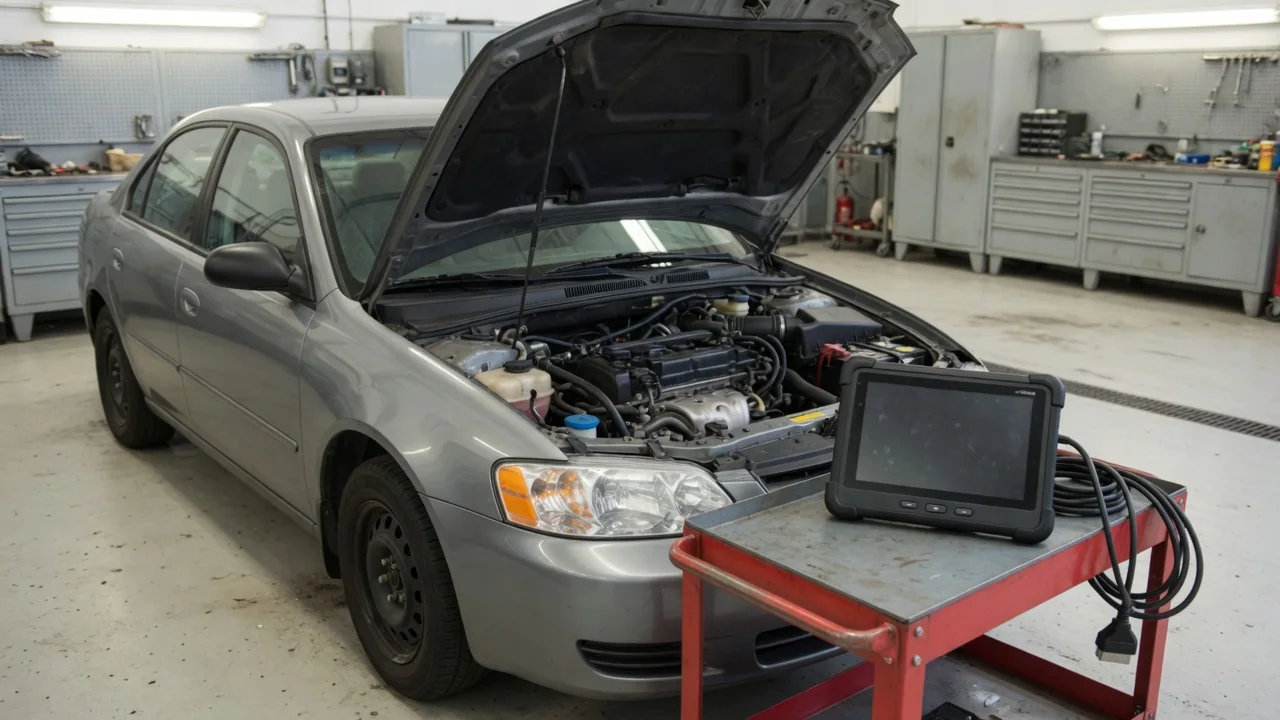
A P1354 code is a manufacturer-specific trouble code, not a universal definition that names one failed part. Its meaning depends on make, model, year, and engine, so the same five-character diagnostic trouble code can describe different systems from one vehicle to another. Treat the stored result as evidence that a control module set a condition, then confirm that condition with vehicle service information before any repair decision.
Verify What P1354 Means for Your Vehicle
P1354 cannot be mapped to a single component, circuit, or repair across every vehicle that can store it. Manufacturers reuse the same alphanumeric identifier for different monitored conditions, so assigning one universal system would be incorrect. Before interpreting the result, identify the make, model, year, and engine, then open the applicable vehicle service information for that exact application. Only that documentation states which control module set the code, what operating conditions were required, and which diagnostic procedure applies.
A scan tool's short description is a convenience label, not a substitute for the published diagnostic procedure. That wording can be generic, truncated, or drawn from a library that does not match the vehicle in front of you. Compare the displayed text with the official code definition and test steps for the confirmed application, then follow those steps rather than the scanner headline. Manufacturer-specific meanings belong in the diagnosis only when they are verified for that stated vehicle; if the application is unknown, do not assign a named component or system.
Symptoms to Record and When to Stop Driving
Once P1354 is confirmed for the vehicle, record how the check engine light behaves and whether the engine runs roughly, starts with difficulty, stalls, or delivers reduced power. Those observations matter only after the verified meaning is known, because shake or stall is relevant to some monitored conditions and irrelevant to others. A stored diagnostic trouble code can also appear with no obvious drivability change, so the absence of a complaint does not prove the condition is harmless, and symptoms by themselves cannot identify the failed part.
The P1354 code number alone cannot establish that the vehicle is safe to continue driving. If the check engine light flashes, the engine shakes severely, stalling repeats, or power drops substantially, pull over when it is safe and arrange assistance rather than trying to reach a shop under those conditions. A steady lamp with mild or no symptoms still warrants prompt diagnostic testing, because the stored condition can change with load, temperature, or traffic. Until the verified meaning and current behavior are known together, treat drivability risk as independent of the alphanumeric identifier.
Possible Causes Within the Confirmed System
Possible causes make sense only after the vehicle-specific code definition and setting conditions for P1354 are confirmed. The control module stores the code when a monitored parameter falls outside a programmed range under defined operating states; those states, not a generic parts list, decide what is worth investigating. Wiring, connector fit, electrical supply, control signals, or mechanical operation may enter the picture only when the applicable diagnostic procedure points to those paths. Starting with a favorite component before that confirmation mixes unrelated systems and wastes freeze-frame data showing how the engine was running when the fault set.
The condition the control module detected is not the same thing as the underlying cause. A named sensor, coil, valve, or harness in the code description is the item being monitored or commanded, not proof that the part has failed. Corrosion at a connector, an open supply, an implausible signal, or a mechanical restriction can all produce the same stored result. Do not rank those possibilities by supposed frequency, and do not replace hardware because the code mentioned it. Diagnostic testing under the published procedure is what separates a genuine defect from a look-alike circuit or operating issue.
Safe Checks Before a Diagnostic Appointment
Before anyone clears memory, record the exact P1354 description the scanner shows, every accompanying code, whether each result is pending or stored, and available freeze-frame data. Freeze-frame data preserves engine speed, load, temperature, and related parameters from the moment the fault matured, which later diagnostic testing uses to recreate the setting conditions. Also note when symptoms appear, including whether the engine is cold or fully warm and whether the issue followed recent service, battery work, or connector disturbance. Those notes keep a technician from chasing a different operating window than the one that actually set the code.
With the vehicle parked, the engine off, and the powertrain cool, limit any look-over to readily visible damage, obviously loose connectors, or leaks you can see without reaching into belts, fans, exhaust, or other hazardous areas. Do not probe live circuits, unplug ignition or fuel components, or start disassembly at home. Disconnecting the battery or erasing codes prematurely can wipe pending codes, freeze-frame data, and learned values that explain how P1354 set. That lost evidence forces the shop to wait for the fault to mature again, which delays repair verification and can make an intermittent condition harder to catch.
Professional Tests That Establish the Cause
A technician starts with vehicle-specific service information, the full code list, and the operating conditions already recorded, then selects tests that match how P1354 actually set. Accompanying codes can show whether the same module saw a related circuit, communication, or mechanical concern, which changes the order of checks. Scan data may be enough to compare commanded versus reported values, while other applications need circuit measurements, signal analysis, or mechanical checks inside the confirmed system. The procedure decides which of those tools apply to this diagnostic trouble code on this vehicle.
Energized electrical testing, ignition testing, checks with the engine moving, and component disassembly belong in professional diagnostic work because they involve stored energy, rotating parts, and procedures that can create new faults if done incorrectly. Intermittent conditions may need extra observation under the same load, temperature, or key cycle that originally matured the code; a single normal reading does not necessarily rule the problem out. If the fault is pending rather than confirmed, the technician may need to complete the monitor enable criteria before judging the circuit healthy. Repair verification later depends on that same disciplined test path.
Choose the Repair and Confirm the Result
Choose the repair from confirmed findings, such as a documented connection fault, a component that failed its specified tests, or a mechanical issue inside the identified system. Clearing P1354 by itself does not correct the cause; it only removes the stored evidence until the monitor runs again. Replacing parts because the code named them can leave the original open, short, supply problem, or mechanical restriction in place, so the same diagnostic trouble code returns. The correct action is the one the procedure and measurements support, even when that action is a repair to wiring rather than a new assembly.
After the work, complete post-repair verification using the applicable service procedure, a road or operating check for the original symptoms, and a scan for returning or pending codes. A completed monitor with no pending codes and restored drivability is stronger evidence than a simple code erase. Repair scope and cost depend on the vehicle, the diagnosed fault, access to the affected area, and the testing required; those factors cannot be read from the P1354 identifier alone. Ask for a written diagnostic explanation and estimate so the confirmed cause, the planned repair, and the verification method are documented before authorization.