P1350 Code: Vehicle-Specific Meaning, Symptoms and Repairs
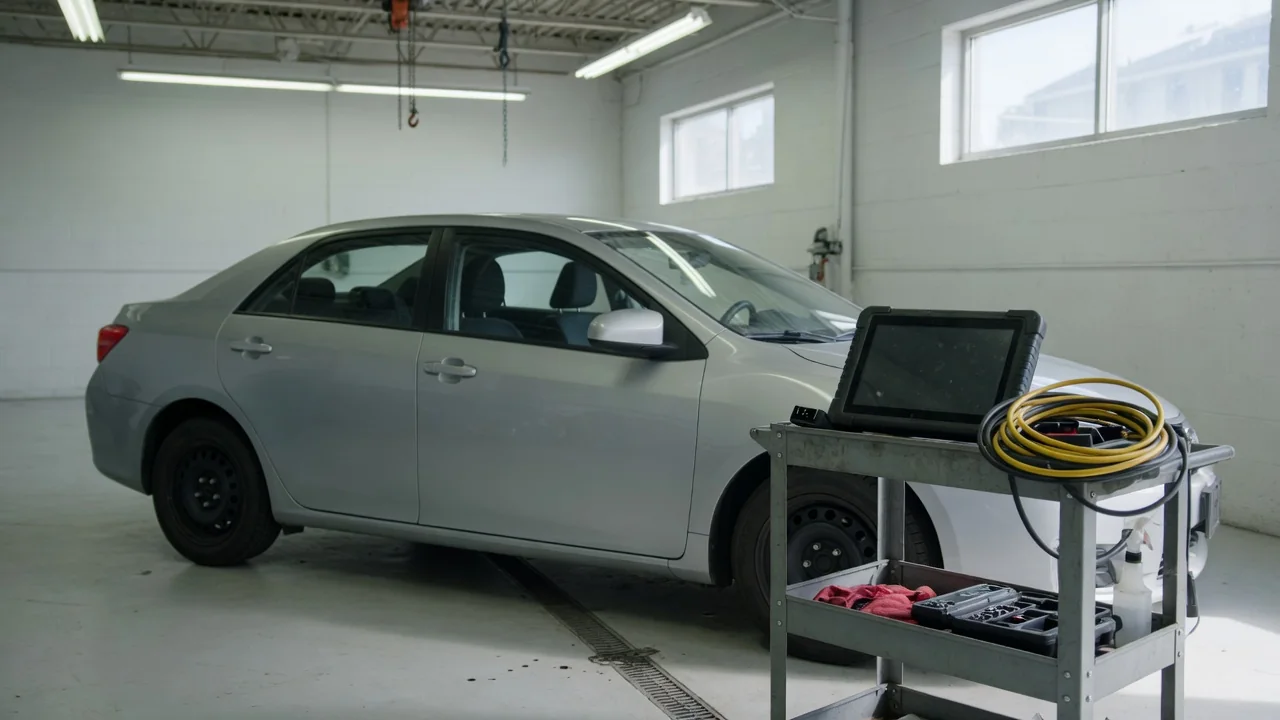
A P1350 code appears when a vehicle’s powertrain control module detects a condition that the manufacturer has defined specifically for that application. Unlike generic OBD-II codes, this diagnostic trouble code is vehicle-specific, so its meaning can vary significantly between makes, models, years, and engines. Before assuming an ignition control circuit fault, verify the exact definition for your vehicle. A stored code is a starting point for diagnosis, not proof of a failed part.
What P1350 Means for Your Specific Vehicle
P1350 is a manufacturer-specific diagnostic trouble code, which means its definition depends on the exact vehicle application. The same code may indicate an ignition control circuit issue on one vehicle and an entirely different condition on another. Because of this, always check the vehicle-specific service information for the make, model, year, and engine before interpreting the code. The abbreviated description from a generic scanner may omit crucial application details, so never treat an ignition-related definition as universal.
A stored P1350 simply tells you that the powertrain control module saw a reading or behavior outside the expected range during a self-test. It identifies a detected condition, but does not prove that any particular sensor, wiring harness, or control module has failed. Before suspecting a specific component, confirm the exact code definition and follow the diagnostic path for that system. This prevents unnecessary part replacement and focuses attention on the circuit or function that the manufacturer actually monitors.
Symptoms and Warning Signs to Record
Symptoms associated with P1350 depend entirely on the verified code definition. In applications where it relates to ignition control, the driver may notice rough running, hard starting, intermittent misfires, or stalling. However, many vehicles store this code without any obvious change in operation, and the only sign may be an illuminated check-engine light. Do not assume the presence or absence of symptoms confirms a specific cause; use them only as clues while diagnosing the confirmed definition.
Record the exact circumstances when the warning light appeared or symptoms occurred. Note whether the engine was cold or warm, at idle, during acceleration, or at steady highway speed. This information becomes valuable when a technician needs to reproduce the fault. Stop driving and arrange assistance if you experience severe shaking, repeated stalling, a flashing check-engine light, or a loss of power that makes the vehicle unsafe to operate. Continuing to drive under those conditions can damage the catalytic converter or create a traffic hazard.
Possible Causes After the Definition Is Confirmed
Once the vehicle-specific definition is confirmed, tie every possible cause to that system and the applicable diagnostic procedure. If the code indeed points to an ignition control circuit, common culprits include damaged wiring, loose or corroded connectors, and inadequate power or ground supply to the ignition module or coil driver. These electrical faults can create intermittent problems that are difficult to reproduce. Testing the circuit for continuity, voltage drop, and shorts is often the first step before condemning any component.
An ignition component or control module fault should be considered only when supported by the application and the results of careful testing. Avoid replacing coils, modules, or sensors based solely on the presence of P1350. Also look at companion trouble codes and recent repair history. They can provide useful context—for example, a recent engine wash might explain water intrusion—but they do not prove a shared cause or establish that one failure is more likely than another. The diagnostic procedure for your vehicle remains the authoritative guide.
Safe First Checks for a P1350 Code
Before clearing anything, record the complete scan report, the code status, and all available freeze-frame data. Freeze-frame information captures engine speed, coolant temperature, and other parameters at the moment the code was set, which is invaluable for later diagnosis. Also confirm that the scanner’s vehicle selection matches your specific vehicle, and preserve the exact displayed code description. Even a slight difference in wording can change the meaning in manufacturer service information.
An owner can perform a few safe visual checks with the engine off and cool. Look for obviously damaged wiring, loose-looking connectors, or signs of corrosion near the component identified by the verified definition. Do not touch ignition components, disconnect wiring, or attempt any testing with the engine running. Live circuit probing, spark testing, and wire bypasses require suitable equipment and professional procedures. These checks are meant only to gather information for a qualified technician, not to fix the problem.
Professional Testing and Evidence-Based Repairs
A technician will follow the diagnostic procedure specified by the manufacturer, using wiring diagrams and service information to identify the relevant circuits. This often involves checking power and ground feeds, signal continuity, and the operation of the component identified by the code. An oscilloscope or scan tool may be used to observe signals under various conditions. If the fault is intermittent, the technician must try to reproduce the recorded operating conditions—such as engine temperature or load—under controlled, safe circumstances.
Repair options should be based on confirmed findings, not guesswork. If a wiring harness shows chafing or a connector is loose, repair or replace that part of the circuit. If a power supply or ground is outside specification, correct that fault. A component should be replaced only after testing shows it is faulty. For issues involving programming or control module replacement, require application-specific evidence before proceeding. No single part will resolve every P1350 case, so avoid promises based on code alone.
How to Confirm the Problem Is Resolved
Clearing P1350 and seeing the light stay off for a few days does not prove the repair was successful. Professional verification involves rescanning the vehicle, confirming that the code does not return, and checking that the original symptom is gone. Many manufacturers require a specific drive cycle or confirmation procedure before the powertrain control module will run the self-test and conclude the monitor as passed. Only after that monitor runs and passes can the repair be considered complete.
Remember that clearing codes erases useful diagnostic information and resets emissions readiness monitors. If the same code returns later, this data will be gone unless it was saved beforehand. When seeking further help, provide the original scan report, a description of symptoms, the operating conditions under which they occurred, and details of any completed repairs. This record gives the next technician a head start and prevents repeating tests that have already been performed.