P1338 Code: Vehicle-Specific Meaning, Diagnosis and Repairs
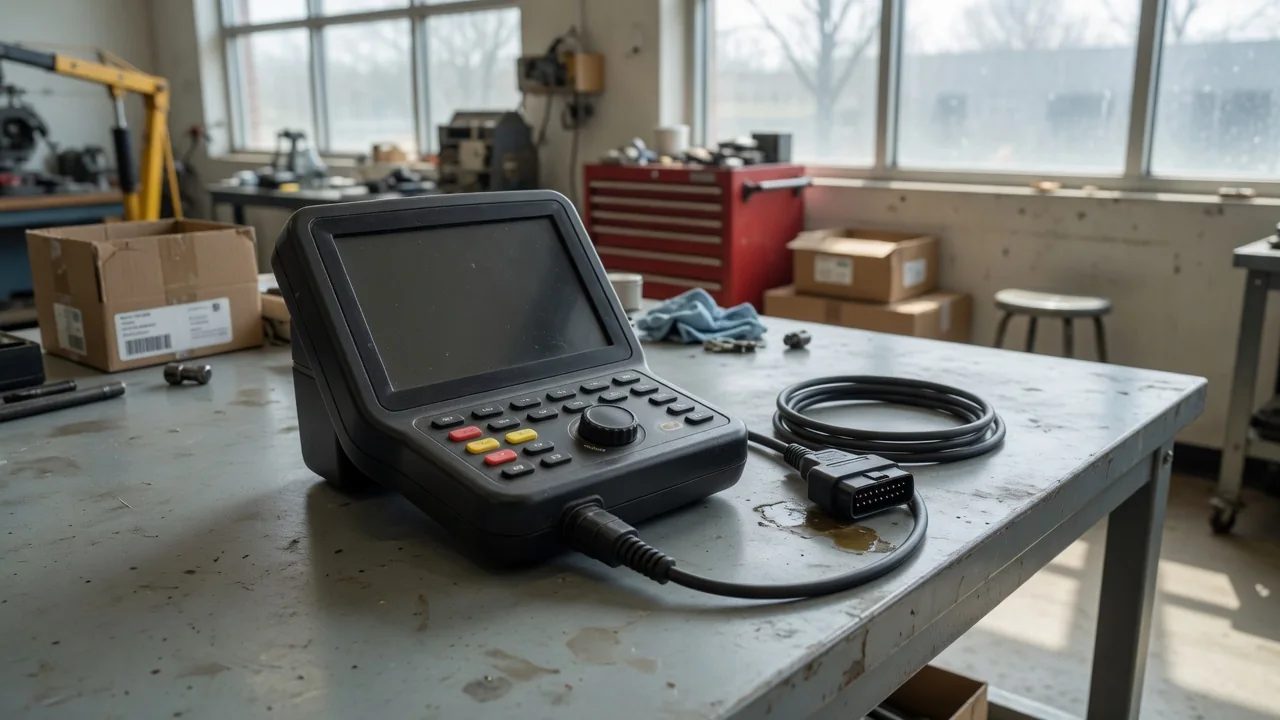
The P1338 code is a manufacturer-specific trouble code, so its meaning depends on the vehicle rather than a single industry-wide definition. Confirm the make, model, year, engine configuration, and vehicle identification number before treating any scanner label as complete. Record how the check engine light appeared, keep freeze-frame data and pending codes, and use diagnostic testing to interpret the fault instead of assuming a failed part.
Verify What P1338 Means for Your Vehicle
P1338 cannot be assigned one universal fault definition because manufacturers reuse this number for different systems. A generic scan-tool phrase may summarize a circuit, a sensor path, or an internal monitor that only that engine family uses. Before interpreting the P1338 code, identify the make, model, model year, engine configuration, and the vehicle identification number so the definition matches the actual control software. Without those details, any explanation remains incomplete and can send diagnosis toward the wrong assembly.
Vehicle-specific service information is the source that assigns the confirmed meaning, including any manufacturer notes that apply only to that application. A handheld description is a starting label, not a substitute for the factory definition and test path. Include a manufacturer-specific meaning only when it has been verified for the stated vehicle, and identify that scope so the wording is not treated as universal. Until that confirmation exists, treat P1338 as a stored diagnostic concern that still needs the correct factory description.
Record the Code and the Conditions When It Appeared
Save the exact P1338 code text, its status as stored, pending, or confirmed, and every accompanying code before clearing anything. Pending codes can show a monitor that has not matured, while a stored result already completed its criteria. Freeze-frame data is a snapshot of operating conditions at the moment the control module set the fault, including speed, load, temperature, and related sensor readings a technician can compare with the confirmed definition. That record is more useful than memory of a warning light alone.
Note whether the check engine light appeared during startup, at idle, under acceleration, or after recent service such as battery work, connector handling, or engine repairs. Those conditions do not prove a failed component, but they help a shop reproduce the event and choose the right diagnostic testing path. A stored P1338 identifies a diagnostic concern the module observed; it does not by itself prove that a particular sensor, coil, or mechanical part has failed. Keep the original data until the investigation is complete.
Symptoms to Note and When to Stop Driving
Observations linked with a P1338 code can include a steady check engine light, rough running, difficult starting, reduced power, or no drivability change at all. None of those signs is a universal P1338 symptom, because the same number can point to different systems once the vehicle-specific meaning is confirmed. Interpret what you feel or hear only alongside that verified definition and any companion codes. A quiet engine with a stored result still needs the factory description before anyone decides which circuit or mechanical path to inspect.
Stop safely and arrange assistance if the check engine light flashes, the vehicle shakes severely, it stalls repeatedly, or power drops enough that traffic becomes difficult to manage. Those conditions are safety issues regardless of the code number. Do not treat a stored P1338 as permission to keep driving, and do not assume a steady lamp means the concern is minor. Consult the owner's manual for warning-light guidance and have a qualified technician assess drivability against the confirmed meaning rather than the scan-tool label alone.
Consider Causes Only After Confirming the Definition
Potential causes belong to the system named by the verified definition, not to a generic list attached to P1338. If service information points to a circuit, then wiring, connectors, and component signals become relevant only as that procedure describes them. If the monitor is mechanical, look at the conditions that procedure actually tests. Accompanying codes and recent work can narrow the search by showing related monitors or disturbed connections, but they do not establish that one part caused the P1338 code.
Calling any cause common would overstate what a manufacturer-specific trouble code can show without application data. Replacing a named sensor, ignition part, or other component because the scan tool printed P1338 may leave the original fault unresolved if the wiring, connector, mechanical condition, or control logic was never tested. Diagnostic testing should follow the factory path for that engine configuration so each step either confirms or rules out a supported possibility. Parts should be changed only after the procedure demonstrates a fault in that item.
Safe Owner Checks and Professional Diagnostic Testing
Owner checks should stay limited. With the engine off and cool, record symptoms and look in accessible areas for obviously disconnected connectors or damaged wiring that can be seen without removing covers or reaching into tight spaces. Do not reach near moving or hot components, do not unplug parts while the engine is running, and do not probe electrical circuits without the training and tools that procedure requires. Visual notes help a technician, but they are not a substitute for the vehicle-specific diagnostic procedure.
A technician should follow the service information for that vehicle identification number and engine configuration, then select signal, circuit, or mechanical tests according to the confirmed P1338 meaning. Those tests may include inspecting a circuit the monitor actually uses, comparing freeze-frame data with live values, or checking a mechanical condition the factory chart names. An intact-looking connection or component does not establish correct operation; insulation can hide an open, a pin can lose tension, and a part can fail electrically while still appearing complete.
Match the Repair to the Test Results and Verify It
The repair must address a demonstrated fault, not the code number by itself. Connection repair, wiring repair, component replacement, or mechanical correction is appropriate only when testing has shown that condition on this vehicle. Software updates, relearn procedures, or adaptations should be suggested only with vehicle-specific evidence that the control module or the confirmed monitor requires them. Clearing P1338 or disconnecting the battery is not a repair; it can erase freeze-frame data, pending codes, and other information still needed for diagnosis.
Repair verification means more than turning the lamp off. After the demonstrated fault is corrected, scan again for P1338 and related results, complete the diagnostic checks the service information lists for that monitor, and confirm that the original symptoms have resolved under similar operating conditions. If freeze-frame data showed a particular load or temperature, those conditions should be revisited so the control module can run the same criteria. A completed verification shows the concern is no longer present, not merely hidden by a cleared memory.