P1315 Code: Meaning, Causes, and How to Fix It
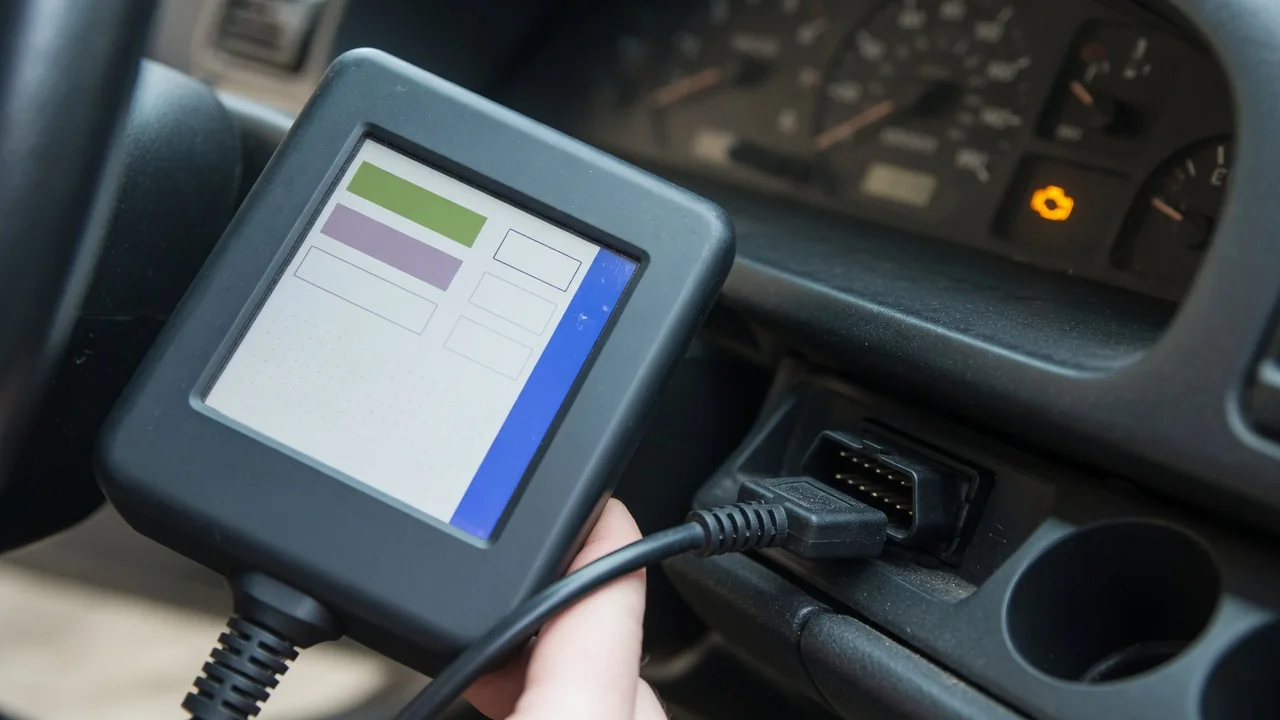
A P1315 code can leave a driver with more questions than answers because this manufacturer-specific trouble code depends on the vehicle's make, model, year and engine. Unlike generic OBD-II codes, P1315 may point to different systems in different cars, so the definition from one brand often does not apply to another. Understanding the exact meaning for your vehicle is the first step before chasing symptoms or replacing parts.
What P1315 Means and Why the Definition Depends on Your Vehicle
P1xxx codes are reserved for manufacturer-specific diagnostics, meaning P1315 does not have one universal definition across all makes. One automaker may use it for an ignition coil circuit issue, while another links it to a transmission sensor or emissions component. Your vehicle’s engine control module decides what conditions set the code, and only the factory documentation for your exact model can describe those conditions accurately.
A generic OBD-II scanner may display only the number or a vague label like “manufacturer control,” which can be misleading. The definition written for a different brand can send diagnosis in the wrong direction, so you must confirm the exact P1315 description using a scan tool that reads enhanced codes, a factory service source, or a dealer. While reading the code, note the freeze frame data, code status—pending, current, or history—and any other stored codes to build a complete picture.
Symptoms That Can Show Up With a P1315 Code
The symptoms that appear with a P1315 code depend entirely on which system the manufacturer ties the code to, so drivers should not assume a fixed set. Common observations may include an illuminated check engine light, rough running, hesitation, hard starting, stalling, or reduced power, but none of these is guaranteed. A vehicle with the same code could idle perfectly while another struggles, because the underlying fault differs by design.
Some vehicles show no noticeable change beyond the warning light, especially when the code is pending or stored from a transient event. Recording when symptoms happen—such as during cold start, warm idle, acceleration, or after refueling—helps a technician narrow the cause. That context matters because a sensor that fails only when cold produces different clues than a wiring issue that appears on rough roads, and your notes can prevent wasted diagnostic time.
Possible Causes Once the Definition Is Confirmed
Once the exact definition is confirmed for your vehicle, possible causes fall into general categories: sensor or circuit faults, wiring and connector problems, related mechanical issues, or control module software and internal faults. Which categories apply depends on what the manufacturer designed the code to monitor, so a P1315 tied to a camshaft position sensor will have different suspects than one linked to a fuel injector circuit.
A stored code shows where the computer saw a problem, not which part failed, so replacing parts based on the code alone often wastes money. Other stored codes can point to a shared root cause, such as a power supply, ground, or wiring problem affecting several circuits. For example, a single damaged harness can trigger multiple sensor codes, and fixing the harness may resolve several warnings at once.
Safe Checks You Can Do Before Visiting a Shop
Before visiting a shop, you can safely look and record. With the engine off, read and save all codes and freeze frame data, then inspect for visibly damaged, chafed, or disconnected wiring and connectors in the area related to your confirmed P1315 definition. Also note any recent repairs that disturbed that part of the vehicle, because a pinched harness after a timing belt job can create a new code immediately.
Check for manufacturer technical service bulletins or software updates through a dealer or official owner resources; such bulletins may exist for some models, but do not assume one applies to your P1315. Do not clear the code to see if it returns—clearing without fixing anything only hides the problem and wipes out useful diagnostic data. Keep your hands away from live circuits, moving engine parts, and fuel system work; these steps belong to a professional.
How a Technician Diagnoses P1315
A technician starts by confirming the manufacturer definition and following the factory diagnostic flowchart for that specific code. They review live data from the related sensors or circuits, comparing actual values to expected ranges under various conditions. This process tests whether a signal is missing, out of range, or intermittently failing, which narrows the fault to a wiring issue, a sensor, or a mechanical problem.
Depending on the definition, the technician may test circuits with a multimeter, check signal patterns with an oscilloscope, or inspect related mechanical parts. After a repair, they clear the code and perform a drive cycle to see if it returns, since some faults only set under specific conditions. Bring your saved codes, freeze frame data, symptom notes, and recent repair history to the shop—these details help the technician prioritize tests and avoid guesswork.
Repair Options and What Affects the Cost
The repair for a P1315 code depends entirely on the confirmed cause, ranging from fixing a connector or repairing a wire to replacing a sensor, actuator, or updating software. There is no single part that fixes every P1315, and the same code on two different vehicles may require completely different parts. Ask the technician to show the test results behind any part replacement recommendation before approving the work.
Cost is affected by diagnostic time, how easy the part is to reach, parts sourcing, and local labor rates, but prices vary widely. Do not assume a part fits across models or years; a sensor may look identical but have different internal calibration or connector pinout. Always confirm part numbers for your exact vehicle using the VIN, because a wrong part can create new codes or fail to resolve the original one.
Is It Safe to Keep Driving With P1315?
How urgent a P1315 code is depends on the confirmed definition and how the vehicle behaves, not on the code number itself. A code tied to an emissions monitor may allow normal driving for a short time, while one linked to an ignition or fuel system fault could cause immediate drivability problems. Watch for warning signs: a flashing check engine light, stalling, power loss in traffic, overheating, or fuel and burning smells mean you should stop driving and get professional help.
Ignoring an active fault may cause emissions test failures or lead to other problems, though specific damage cannot be predicted from the code alone. Your next steps are clear: confirm the exact definition for your vehicle, record all codes and freeze frame data, do only safe visual checks, and book a proper diagnosis. With the right information, a technician can find the root cause and repair it without unnecessary parts replacement.