P1301 Code: Meaning, Causes, and How to Fix It
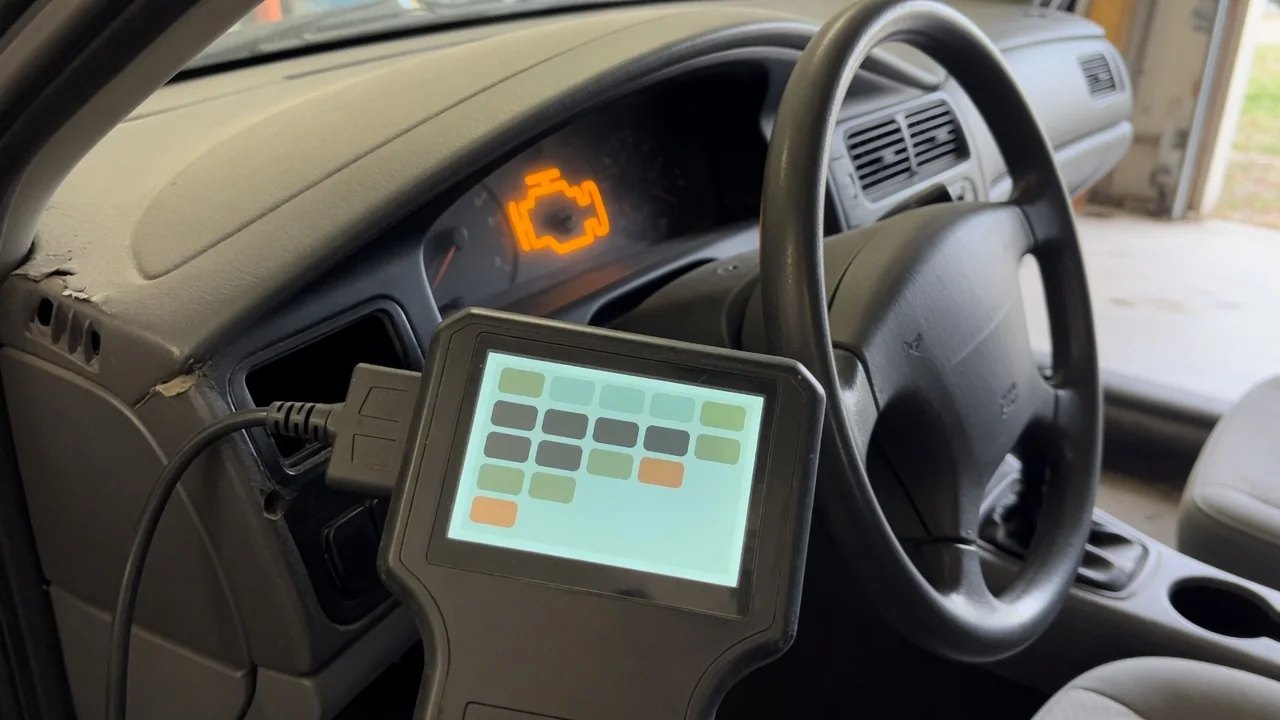
A P1301 code is a manufacturer-specific diagnostic trouble code, meaning its exact definition varies by vehicle make, model, year, and engine. Unlike generic OBD-II codes, P1 codes are assigned by individual automakers for systems like ignition or misfire monitoring. If your scan tool shows P1301, don't assume a universal fault—look up the specific meaning for your vehicle. A wrong interpretation often leads to unnecessary part replacement and wasted money. This guide explains how to approach the code, from symptoms and causes to diagnosis and repair.
What the P1301 Code Means and Why It Varies by Manufacturer
Codes that start with P1 are manufacturer-specific, so P1301 does not have one universal definition across all makes. One automaker might use it for an ignition coil malfunction, while another could assign it to a misfire detection circuit. The only reliable way to know what P1301 means is to check factory service information for your exact vehicle. Generic online code lookups often repeat a single brand's definition or offer a vague description that misleads you.
The P13xx range is generally tied to ignition or misfire monitoring, but the specific component and expected values differ. For example, some systems monitor primary ignition coil current, while others flag a cylinder-specific misfire count. Confirming the manufacturer's definition first prevents a misdiagnosis spiral—replacing plugs, coils, or sensors one by one based on guesswork. Use a professional-grade scan tool that can read enhanced manufacturer codes, or consult a service manual for your model.
Symptoms Drivers May Notice With a Stored P1301
Depending on what P1301 means for your vehicle, you may notice drivability problems such as a rough idle, hesitation on acceleration, or reduced power. The engine might shake at a stoplight or feel uneven under load. These symptoms occur because the powertrain control module has detected an issue in a system that affects combustion. However, some vehicles show no obvious signs at all—the only clue is an illuminated check engine light or a failed emissions test.
A steady check engine light indicates a stored trouble code but usually does not demand an immediate stop. A flashing check engine light, however, means the condition is severe enough that unburned fuel may be entering the exhaust—potentially damaging the catalytic converter. If you see a flashing light, hear strong misfiring, smell raw fuel, or notice overheating, reduce speed and have the vehicle towed or driven gently to a shop.
Possible Causes Depending on the Vehicle's Definition
Once you know the exact definition of P1301 for your vehicle, possible causes fall into several categories. Ignition components such as coils, plugs, or plug boots may be faulty, but wiring and connectors are equally common. A broken wire, loose terminal, or corroded ground can interrupt the signal the control module expects. Sensor signal issues, fuel delivery problems like a clogged injector, or even a failing powertrain control module are also possible.
An important principle is that an upstream problem can set a downstream code. For instance, a vacuum leak might cause a lean misfire, which triggers a misfire-related P1301—replacing the coil named in the code would not fix the root vacuum leak. Therefore, don't assume the mentioned component is bad. Without testing, you cannot know whether the code is caused by the part itself, its circuit, or a completely different system that affects the monitored parameter.
Safe First Checks Before Paying for Repairs
Before paying for any repair, read all stored and pending codes, plus the freeze frame data from when the fault occurred. Often, other codes appear alongside P1301—such as a camshaft position sensor error or a lean condition—that point to a common root cause. Freeze frame records engine speed, temperature, and load at the moment the code set, which can reveal whether the fault happens only when cold, at idle, or under acceleration.
With the engine off and cool, perform a visual inspection of the wiring harness and connectors related to the system indicated by the code definition. Look for chafed insulation, melted plastic, loose plugs, or signs of rodent chewing. Do not disconnect anything unless you are comfortable identifying and reassembling connectors. Also check for manufacturer technical service bulletins or software updates that match the code—a reflash may be the known fix, avoiding any part replacement.
How a Technician Diagnoses P1301
A technician starts by confirming the exact code definition and then reading live data with a professional scan tool. They watch parameters such as ignition coil dwell, misfire counts per cylinder, fuel trims, and sensor voltages while the engine runs. Following the manufacturer's diagnostic flowchart, they may use a multimeter to check resistance and voltage, or an oscilloscope to view waveform patterns. This test-before-replace approach avoids spending money on parts that are not actually faulty.
Ignition and electrical systems can involve high voltage—even with the engine off, capacitors may hold a charge. Only trained people with proper equipment should probe these circuits. When you take the car to a shop, ask specific questions: What test confirmed the cause? Did they check the wiring and connectors before recommending a component? Has the code returned after the repair under the same driving conditions? A reputable shop will explain their reasoning and offer a warranty on the work.
Repair Options and What to Expect After the Fix
The correct repair depends entirely on the confirmed cause. It could be as simple as cleaning a corroded connector or tightening a loose ground. It might require replacing an ignition coil, spark plug, or fuel injector, repairing a damaged wire, or reprogramming the powertrain control module. In some cases, no part is replaced at all—a software update resolves a false code. That's why diagnosis must come before parts swapping.
Many electrical connector repairs and plug replacements are doable for a careful DIYer with a service manual, but jobs involving module reprogramming, internal engine work, or high-voltage coils are best left to professionals. After the repair, the code must be cleared, and then the vehicle driven through the manufacturer's drive cycle to run readiness monitors. If those monitors set to complete without the code returning, the repair is likely successful. Prices vary based on diagnosis time, labor rates, and how difficult parts are to reach—not on the code number itself.
Is It Safe to Keep Driving With a P1301 Code?
Whether it is safe to drive with P1301 depends on the confirmed meaning and the vehicle's symptoms. If the definition points to a minor circuit fault and the car runs normally, you may drive it cautiously to a shop. But if the engine is misfiring constantly, the car shakes, or power is severely reduced, continuing to drive risks further damage. An ongoing misfire can send raw fuel into the exhaust, raising catalytic converter temperatures and potentially damaging it over time—this is a possibility, not a certainty, but a serious one.
If the check engine light flashes, reduce speed immediately, avoid heavy throttle, and pull over if the engine runs very roughly. In summary: confirm the exact manufacturer-specific definition for your vehicle, don't clear the code just to turn off the light, and follow a test-before-replace approach. Electrical and ignition failures can have hidden causes, so professional help is valuable. The code is a starting point, not a verdict.